
How to Identify Real Ajwa Dates: 7 Signs of Authenticity
Because genuine Ajwa dates are grown in a limited region around Madinah and carry significant religious value, they’re also one of the most commonly mislabeled date varieties in the market. Sellers sometimes pass off cheaper, similarly dark varieties as “Ajwa” to capitalize on demand, leaving buyers uncertain about what they’re actually purchasing.
This guide walks through seven practical, reliable signs to help you tell real Ajwa dates from imitations, so you can shop with confidence whether you’re buying online, at a local market, or while visiting Madinah.
Key Takeaways
- Authentic Ajwa dates are grown almost exclusively in and around Madinah, Saudi Arabia.
- Genuine Ajwa has a consistent dark brown to near-black color and a soft, wrinkled texture.
- A price that seems significantly below market rate is one of the strongest warning signs of a fake.
- Taste is a reliable indicator — real Ajwa has a rich caramel flavor with a subtle smoky depth.
- Buying from reputable, transparent sellers with clear sourcing information reduces the risk of mislabeled products.
Why Fake Ajwa Dates Are So Common
Ajwa dates are grown in a relatively small geographic area concentrated around Madinah, which naturally limits the true global supply. At the same time, demand for Ajwa dates is extremely high, driven by their religious significance and reputation as a premium variety. This imbalance creates an incentive for some sellers to substitute cheaper, visually similar date varieties and market them under the Ajwa name.
Understanding what sets genuine Ajwa dates apart from these substitutes — in appearance, texture, taste, and sourcing — is the most reliable way to protect yourself as a buyer. For a full overview of what authentic Ajwa dates are, see our main Ajwa dates page.
Sign #1: Origin and Growing Region
The single most important factor in authenticity is origin. Genuine Ajwa dates are grown almost exclusively in and around Madinah, Saudi Arabia. If a seller cannot clearly state that their dates originate from this region, or if the listing is vague about sourcing, that’s a meaningful red flag. Reputable sellers, particularly for premium grades like Ajwa Aliyah dates, will typically be transparent and specific about where their dates were grown.
Sign #2: Color and Appearance
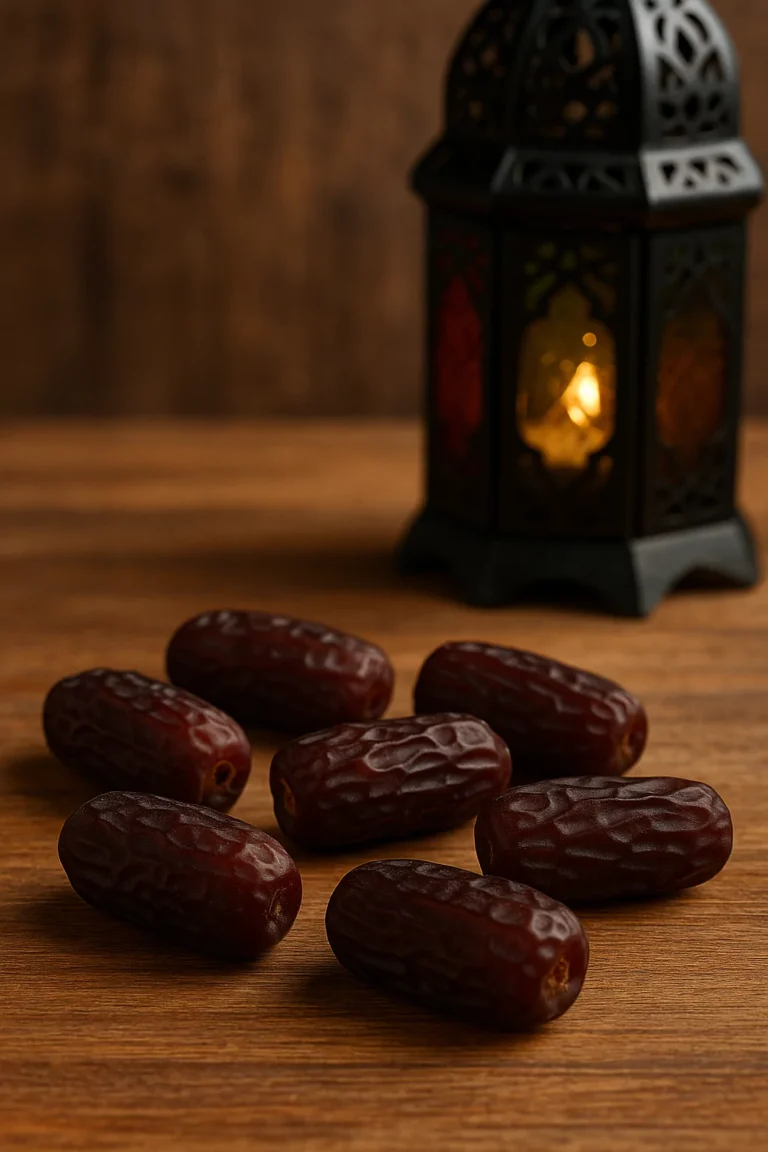
Authentic Ajwa dates have a distinctive dark brown to near-black color with a slightly wrinkled, matte skin. Dates that appear notably lighter, reddish-brown, or unusually glossy are more likely to be a different variety, such as Khudri or Kalmi dates, being marketed under the Ajwa name.
Sign #3: Texture and Moisture
Real Ajwa dates are soft and yield easily to gentle pressure, with a moist, slightly sticky interior. If a date marketed as Ajwa is notably firm, dry, or fibrous, it may be a different, less expensive variety, since genuine Ajwa’s soft texture is one of its defining characteristics.
Quick Reference: 7 Signs of Real Ajwa
1. Origin (Madinah) | 2. Dark, near-black color | 3. Soft, moist texture | 4. Rich, smoky-caramel taste | 5. Premium, consistent pricing | 6. Clear packaging & sourcing info | 7. Reputable, transparent seller
Sign #4: Taste and Aroma
Genuine Ajwa dates have a distinctive rich, deep caramel sweetness with a subtle smoky or earthy undertone that’s difficult to replicate. Substituted varieties often taste sweeter but more one-dimensional, lacking this particular depth of flavor. If you’ve tasted verified Ajwa dates before, this difference is usually the easiest way to tell authenticity apart from imitation.
Sign #5: Price — If It Seems Too Good to Be True
Authentic Ajwa dates are consistently priced at a premium compared to more common date varieties, due to their limited growing region and labor-intensive cultivation. A listing offering “Ajwa dates” at a price close to budget varieties like Kalmi or Khudri dates should raise immediate suspicion. Check our current Ajwa dates price 2025 guide to understand what a fair market price looks like before you buy.
Sign #6: Packaging and Certification
Reputable sellers of genuine Ajwa dates, particularly for bulk or export purchases, often provide clear packaging with origin information and sometimes sourcing documentation or certification. While small retail packages may not always include formal certification, the packaging should still clearly and specifically identify the product as Ajwa from Madinah, rather than using vague or generic labeling.
Sign #7: Seller Reputation and Documentation
Finally, the seller itself matters. Look for businesses with a track record, transparent sourcing claims, genuine customer reviews, and clear contact information. Sellers who are vague about where their dates come from, or who list Ajwa dates at unusually low prices with no supporting detail, warrant extra caution. Learn more about our sourcing standards on our About Us page.
Real vs Fake Ajwa: Quick Comparison
| Feature | Authentic Ajwa | Likely Fake / Mislabeled |
|---|---|---|
| Origin | Madinah, Saudi Arabia (specified) | Vague or unstated origin |
| Color | Dark brown to near-black | Lighter brown, reddish, or glossy |
| Texture | Soft, moist, yields to pressure | Firm, dry, or fibrous |
| Taste | Rich caramel with smoky depth | Sweet but one-dimensional |
| Price | Premium, consistent with market | Unusually low for “Ajwa” |
Where to Buy Authentic Ajwa Dates
If you’re purchasing Ajwa dates in person while visiting Saudi Arabia, our guides on where to buy dates in Madinah and where to buy dates in Makkah cover trusted shops and what to look for. For online purchases, prioritize sellers who are transparent about sourcing, offer clear product photos, and have a track record of verified customer feedback.
Frequently Asked Questions
Do Ajwa dates only grow in Madinah?
Authentic Ajwa dates are grown almost exclusively in and around Madinah, Saudi Arabia. Dates labeled “Ajwa” but grown elsewhere, or blended with other varieties, are considered inauthentic even if they resemble Ajwa in appearance.
How can I tell if Ajwa dates are fake?
Look for consistent dark, near-black coloring, a soft wrinkled texture, a rich caramel flavor with a subtle smoky note, and verified sourcing information from the seller. An unusually low price is often the biggest warning sign.
Why are fake Ajwa dates so common?
Because genuine Ajwa dates are grown in a limited region and carry religious significance, demand often outpaces authentic supply, creating an incentive for sellers to mislabel cheaper varieties as Ajwa.
What color should real Ajwa dates be?
Genuine Ajwa dates are typically dark brown to near-black in color, with a slightly wrinkled skin. Dates that are notably lighter brown or reddish are more likely to be a different variety.
Does the price of Ajwa dates indicate authenticity?
Price alone isn’t a guarantee, but authentic Ajwa dates are consistently priced at a premium due to limited growing regions and labor-intensive cultivation. A price that seems far below market rate should raise suspicion.
Can lab testing confirm if dates are real Ajwa?
In some cases, specialized agricultural or food testing labs can help verify date variety characteristics, though this level of testing is uncommon for typical consumer purchases and is mainly used in commercial or research settings.
Are Ajwa dates from online sellers trustworthy?
Reputable online sellers who clearly state sourcing information, provide transparent product photos, and have verifiable customer reviews are generally more trustworthy than sellers with vague or missing details about origin.
What does real Ajwa taste like compared to fake?
Authentic Ajwa dates typically have a rich, deep caramel sweetness with a subtle smoky or earthy undertone. Substituted varieties often taste noticeably sweeter or more one-dimensional, lacking this distinctive depth.
Should Ajwa dates have a certificate of origin?
Many reputable sellers of premium Ajwa dates provide sourcing documentation or certification, particularly for bulk or export purchases, though this is less common for small retail packages.
Is it common for other date varieties to be sold as Ajwa?
Yes, it’s a well-documented issue in some markets where darker, less expensive date varieties are sometimes mislabeled or marketed as Ajwa to capitalize on its higher demand and religious significance.
Sources & References
- Saudi Ministry of Environment, Water and Agriculture — Date palm cultivation regions and standards
- National Center for Biotechnology Information (NCBI) — Characteristics and classification of date fruit varieties
- Healthline — Dates: Nutrition, Benefits, and How to Eat Them
- Gulf News — Reporting on date market mislabeling issues in the region
- USDA FoodData Central — Dried fruit nutritional reference data

John A. Kareem is a natural wellness writer and researcher passionate about Ajwa dates and traditional Arabian foods.
At Ajwa Dates, he shares evidence-based, easy-to-read content that helps readers discover the real health benefits of dates and other natural ingredients.
His goal is to promote healthy living through authentic, time-tested knowledge.