Ajwa Dates Benefits for Women — Hormones, Fertility & More
Discover why Ajwa dates are one of the most powerful natural superfoods for women’s health. From balancing hormones and easing PCOS symptoms to supporting pregnancy, building bone density, and enriching skin and hair — this guide covers everything you need to know.

Key Takeaways — What You’ll Learn
- Ajwa dates are rich in iron, making them a natural ally against female anaemia
- Their antioxidant compounds may help regulate hormones and ease PCOS symptoms
- Research suggests dates can support cervical ripening and ease labour in pregnancy
- Calcium and magnesium content may help protect bone density in women over 40
- Regular consumption may improve skin elasticity and hair strength over time
Ajwa dates — the celebrated black dates from the holy city of Al-Madinah in Saudi Arabia — have been revered for centuries in Islamic medicine and traditional wellness practices. But beyond their spiritual significance, modern nutritional science is now beginning to confirm what generations of Middle Eastern women have known intuitively: these small, dark dates carry a remarkable concentration of nutrients that specifically address many health challenges women face across their lifetimes.
Unlike many superfoods that offer broad, general benefits, the specific nutrient composition of Ajwa dates appears to align closely with the nutritional gaps and hormonal demands women experience during menstruation, reproductive years, pregnancy, and menopause. They contain iron, calcium, magnesium, potassium, folate, and a rich array of polyphenols and flavonoids — each playing a distinct role in female physiology.
In this comprehensive guide, we break down every major benefit Ajwa dates offer women, backed by nutritional science, and give you practical guidance on how to make them part of your daily routine for lasting wellness.

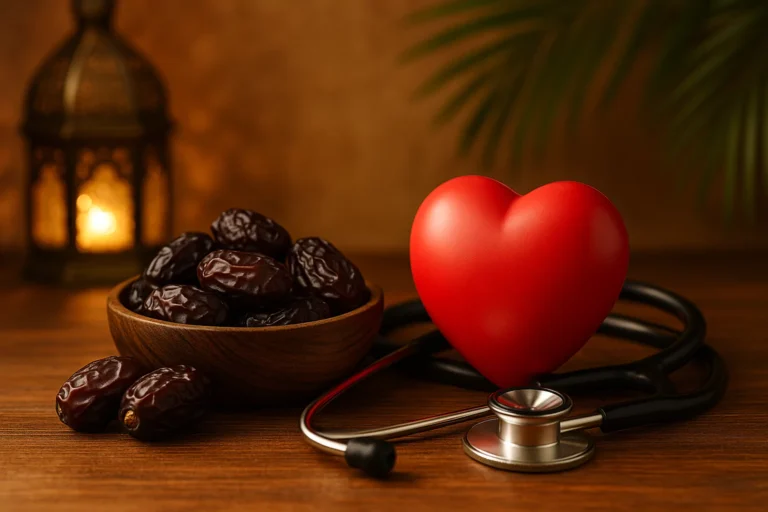
Ajwa dates — a natural superfood tailored to women’s nutritional needs at every life stage.
Why Women Specifically Benefit from Ajwa Dates
Women’s bodies go through a far greater range of hormonal and physiological changes than men’s across a lifetime — puberty, monthly menstrual cycles, possible pregnancies, breastfeeding, and eventually menopause. Each of these phases places distinct demands on nutritional reserves, and many women chronically fall short of key nutrients including iron, calcium, magnesium, and folate.
Ajwa dates address several of these deficiencies simultaneously in a single, whole food. A single serving of 5–7 Ajwa dates provides a meaningful contribution toward the daily recommended intake of iron, calcium, potassium, and B vitamins — all nutrients that women need in larger quantities than men, yet frequently consume in insufficient amounts.
Beyond raw nutrients, Ajwa dates also contain a powerful suite of phytochemicals including flavonoids, phenolic acids, and sterols. Research published in peer-reviewed journals suggests that some of these compounds may exert mild estrogenic activity and anti-inflammatory effects — making them uniquely relevant to female hormonal health in ways that other common fruits simply cannot match.
The combination of natural sugars with fibre means Ajwa dates release energy slowly, avoiding the blood sugar spikes that can worsen hormonal imbalances like PCOS. And their natural melatonin content may even support better sleep — something many women struggle with during hormonal transitions.
💡 Pro Tip: Women who eat Ajwa dates regularly as part of a balanced diet may find them a practical, delicious alternative to multiple separate supplements — covering iron, calcium, magnesium, and folate in one whole food.
Nutritional Profile: What’s Inside Ajwa Dates for Women
Understanding why Ajwa dates are so beneficial for women begins with their dense nutritional profile. Per 100g serving, Ajwa dates deliver a concentrated package of macronutrients, vitamins, and minerals that directly address the health priorities of women across every life stage. The data below illustrates both the nutritional content and its specific relevance to women’s health.
| Nutrient | Amount (per 100g) | % Daily Value (Women) | Women’s Health Relevance | Level |
|---|---|---|---|---|
| Iron | 1.02 mg | ~13% (women need 18mg) | Anaemia prevention, menstrual iron loss | High Priority |
| Calcium | 64 mg | ~6% | Bone density, menstrual cramp reduction | Moderate |
| Magnesium | 54 mg | ~17% | PMS relief, hormonal balance, sleep quality | High Priority |
| Potassium | 696 mg | ~15% | Blood pressure regulation, bloating reduction | High Priority |
| Folate (B9) | 15 µg | ~4% | Fetal neural tube development, cell division | Moderate |
| Vitamin B6 | 0.24 mg | ~14% | Hormonal regulation, mood, PMS reduction | High Priority |
| Fibre (Dietary) | 8 g | ~32% | Gut health, blood sugar, weight management | High Priority |
| Antioxidants (Flavonoids) | Luteolin, quercetin, apigenin | — | Anti-inflammatory, anti-cancer, skin health | High Priority |
| Phosphorus | 62 mg | ~9% | Bone health, energy metabolism | Moderate |
| Natural Sugars | 65–70 g | — | Sustained natural energy; low glycaemic impact with fibre | Moderate |
Key Nutrient Visual — Women’s Daily Needs Contribution
Based on a serving of 5–7 Ajwa dates (~50g)
📖 Note: Nutritional values may vary slightly by harvest season and storage method. For a complete guide to all health benefits of Ajwa dates, see our dedicated overview page. You can also explore our full top benefits of Ajwa dates article for more detail on each nutrient’s role.
Iron Deficiency & Anaemia Relief in Women
Iron deficiency anaemia is the most prevalent nutritional deficiency globally, and women are disproportionately affected. Monthly menstrual blood loss, pregnancy demands, and the often-low iron content of plant-dominant diets combine to put women at significantly higher risk than men. The World Health Organization estimates that approximately 40% of women of reproductive age worldwide are anaemic.
Ajwa dates offer meaningful, bioavailable iron that may help address this widespread issue. While they are not as iron-dense as red meat, they are an excellent plant-based iron source — particularly valuable for vegetarian and vegan women who have fewer whole-food iron options available. Importantly, Ajwa dates also contain Vitamin C precursors and organic acids that research suggests may enhance the absorption of non-haeme iron from plant sources, making the iron they deliver more effective than the numbers alone suggest.
Beyond iron itself, Ajwa dates contain copper — a trace mineral that plays a critical role in the body’s ability to utilise iron effectively. Copper helps incorporate iron into haemoglobin, meaning the two nutrients work synergistically. Women who struggle with fatigue, dizziness, pallor, or cold hands and feet — common anaemia symptoms — may find that regular Ajwa date consumption as part of a balanced diet helps address these symptoms over time, though medical diagnosis and treatment should always come first.
Additionally, folate in Ajwa dates is essential for healthy red blood cell formation. Folate deficiency is a separate but related form of anaemia (megaloblastic anaemia), and women — especially those pregnant or planning pregnancy — need adequate folate for this reason and for fetal neural development. The combination of iron, copper, and folate in one natural food makes Ajwa dates a particularly well-rounded choice for women watching their blood health.
Ajwa dates contain iron, copper, and folate — three nutrients that work together to support healthy haemoglobin production in women.
💡 Absorption Tip: Studies suggest that consuming iron-rich foods alongside Vitamin C can enhance non-haeme iron absorption by up to 67%. Try pairing your Ajwa dates with a small glass of orange juice or eating them with Vitamin C-rich fruits for maximum iron benefit.
Hormonal Balance & Menstrual Health
Hormonal balance sits at the centre of virtually every aspect of women’s health — from mood and energy to weight, skin, fertility, and long-term disease risk. When hormones are out of balance, the effects ripple through every system in the body. Many women experience hormonal disruptions as PMS (premenstrual syndrome), irregular cycles, mood swings, painful periods, or more serious conditions like endometriosis.
Magnesium and PMS Relief
One of the most well-documented connections between diet and menstrual health involves magnesium. Research published in multiple clinical studies has found that women with PMS consistently show lower magnesium levels than those without symptoms. Magnesium deficiency may contribute to irritability, bloating, breast tenderness, and cramping. Ajwa dates are a meaningful source of magnesium, and regular consumption may help maintain the levels needed to reduce PMS severity. Magnesium also supports healthy serotonin production, which may help stabilise mood during the premenstrual phase.
Vitamin B6 and Hormone Regulation
Vitamin B6 plays a critical role in hormone regulation, particularly in modulating the effects of oestrogen and progesterone. Studies suggest that adequate B6 intake may reduce symptoms of oestrogen dominance — a condition increasingly common in modern women — including heavy periods, mood instability, and water retention. Ajwa dates provide approximately 14% of the daily recommended Vitamin B6 per 100g, making them a practical dietary tool for supporting hormonal equilibrium when consumed consistently.
Phytoestrogenic Compounds
Dates contain naturally occurring phytosterols and flavonoids, including compounds that may exert mild phytoestrogenic activity — meaning they can interact with oestrogen receptors in ways that may help modulate hormonal fluctuations. For women going through perimenopause or menopause, these plant-based oestrogen-like compounds may offer modest relief from symptoms like hot flashes, dry skin, and mood changes. While they are far gentler than pharmaceutical hormone therapy, they represent an interesting natural complementary option worth discussing with a healthcare provider.
Anti-Inflammatory Action
Chronic low-grade inflammation is increasingly recognised as an underlying driver of hormonal imbalance, painful periods, and conditions like endometriosis. The high antioxidant content of Ajwa dates — including quercetin, luteolin, and apigenin — may help reduce systemic inflammation in the body. By lowering inflammatory markers, regular Ajwa date consumption may contribute to a hormonal environment that is more stable and less prone to the painful fluctuations many women experience. This anti-inflammatory effect is one reason Ajwa dates are considered particularly beneficial compared to other types of dates.
Ajwa Dates for PCOS & Menstrual Irregularity
Polycystic Ovary Syndrome (PCOS) affects an estimated 8–13% of women of reproductive age globally and is one of the leading causes of infertility. It is characterised by hormonal imbalance, insulin resistance, chronic inflammation, and irregular or absent menstrual cycles. Managing PCOS typically requires a multi-pronged approach, with diet playing a central role in reducing insulin resistance and modulating androgens.
Ajwa dates may offer several mechanisms of support for women with PCOS. Their high dietary fibre content helps slow glucose absorption, which can moderate the blood sugar and insulin spikes that worsen hormonal disruption in PCOS. Unlike refined sugars, the natural sugars in Ajwa dates are bound to fibre, resulting in a slower, more manageable glycaemic response that may help reduce the insulin resistance central to PCOS pathology.
The anti-inflammatory flavonoids in Ajwa dates — particularly quercetin, which has been studied specifically in relation to PCOS — may help reduce androgen overproduction in the ovaries. Elevated androgens are responsible for many PCOS symptoms including acne, excess body hair (hirsutism), and menstrual irregularity. While dates should never replace medical treatment for PCOS, incorporating them into an anti-inflammatory, low-glycaemic diet is consistent with the nutritional approach most gynaecologists and endocrinologists recommend for managing the condition.
It’s also worth noting that magnesium deficiency is highly prevalent in women with PCOS, and magnesium supplementation has been shown in some studies to improve insulin sensitivity. Ajwa dates’ natural magnesium content makes them a complementary food for PCOS management alongside other interventions.
Practical PCOS-Friendly Tips with Ajwa Dates
- Eat 3–5 Ajwa dates as a controlled, satisfying snack rather than reaching for high-sugar processed foods
- Pair dates with nuts or seeds (almonds, flaxseed) to further slow glucose release and add anti-inflammatory omega fatty acids
- Avoid eating many dates at once — spread consumption across the day to maintain steady blood sugar
- Use date paste as a natural sweetener replacement in cooking and baking instead of refined sugar
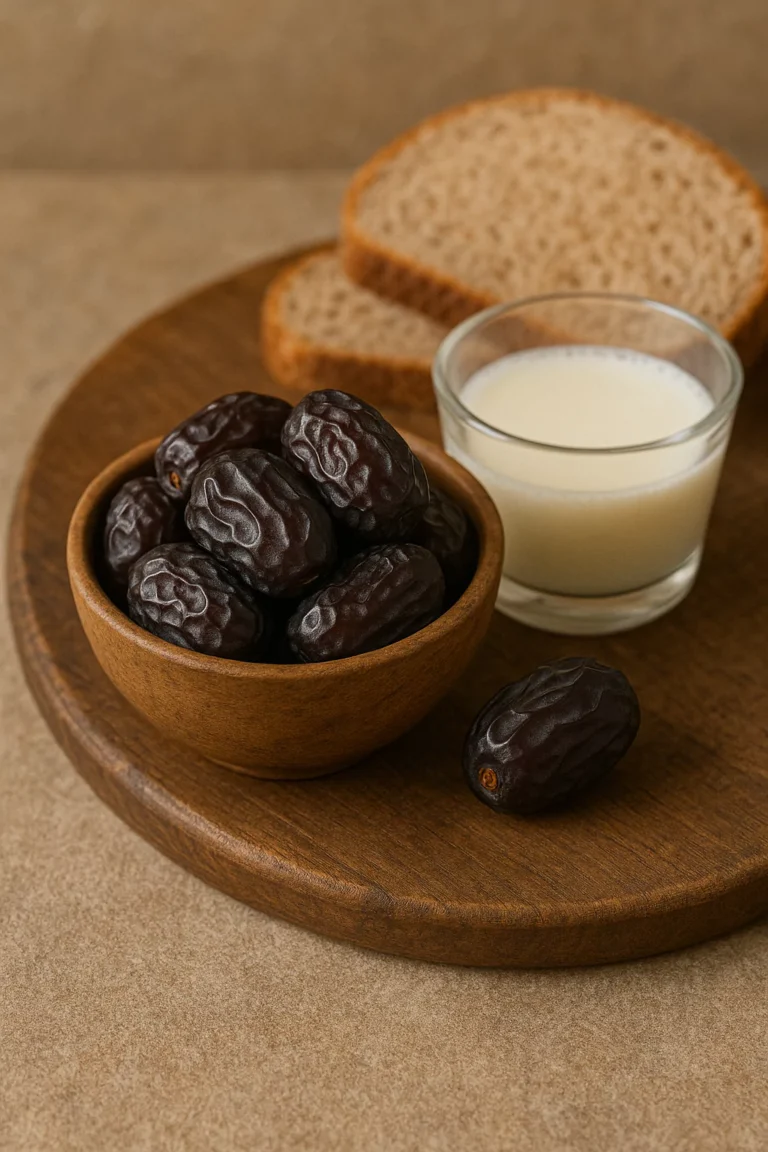
- Consider soaked Ajwa dates in cold milk on an empty stomach — a traditional method said to enhance nutrient absorption
⚠️ Important: PCOS is a complex hormonal condition. Diet changes, including adding Ajwa dates, should be discussed with your gynaecologist or endocrinologist and should complement — not replace — any prescribed medical treatment.
Ajwa Dates for Pregnancy & Fertility
Pregnancy represents one of the most nutritionally demanding phases of a woman’s life, and Ajwa dates have been consumed during pregnancy in Islamic and Middle Eastern cultures for centuries. Modern research has begun to validate these traditional practices with compelling clinical data. A landmark study published in the Journal of Obstetrics & Gynaecology found that women who consumed 6 dates per day during the final four weeks of pregnancy had significantly higher cervical dilation on admission, a greater proportion of intact membranes, and a higher rate of spontaneous labour compared to those who did not eat dates. The study suggested that the natural oxytocin-like compounds in dates may mimic or enhance the body’s own mechanisms for preparing for labour.
Labour Support
Research suggests consuming 6 dates daily in the final month of pregnancy may support cervical ripening, reduce the need for induced labour, and shorten the early stages of labour — helping women experience more natural deliveries.
Folate for Fetal Development
Folate is essential in the first trimester to prevent neural tube defects like spina bifida. While Ajwa dates are not a substitute for prenatal folate supplements, they contribute meaningfully to overall folate intake alongside a varied pregnancy diet.
Iron for Maternal Blood Volume
Blood volume increases by up to 50% during pregnancy, dramatically increasing iron demands. Ajwa dates’ iron content may help support the expanded haemoglobin production needed, reducing pregnancy-related fatigue and anaemia risk.
Natural Energy for Mother
The natural sugars in Ajwa dates — glucose and fructose — provide rapid, easily digestible energy without the caffeine that pregnant women are advised to limit. This makes them an excellent between-meal snack during the energy-intensive second and third trimesters.
Calcium for Bone & Teeth
If a pregnant woman does not consume enough calcium, the fetus will draw it from the mother’s bones, increasing her long-term osteoporosis risk. Ajwa dates contribute calcium to help buffer this drain and support both maternal and fetal skeletal development.
Digestive Comfort
Constipation is one of the most common complaints during pregnancy due to hormonal changes and growing uterine pressure. The high fibre content of Ajwa dates may support healthy bowel regularity, providing natural, gentle relief without pharmaceutical laxatives.
🌙 Traditional Wisdom: In many Muslim cultures, Ajwa dates are among the first foods offered to a mother after childbirth to help restore energy and support recovery. Their dense natural nutrient profile makes them particularly well-suited to the postpartum period. Learn more about Ajwa dates for pregnancy and fertility in our dedicated guide.
Bone Health & Osteoporosis Prevention in Women
Osteoporosis — the gradual loss of bone density leading to fragile, fracture-prone bones — affects women far more severely than men. Women can lose up to 20% of their bone density in the first five to seven years after menopause, driven by the sharp drop in oestrogen that normally helps protect bone. This makes bone health a critical priority for women from their mid-thirties onward, long before menopause actually occurs, since bones reach peak density in early adulthood and then gradually begin to thin.
Ajwa dates provide a combination of nutrients that studies suggest are important for bone mineral density maintenance. Calcium is the most well-known bone mineral, and while dairy is often cited as the primary source, Ajwa dates offer plant-based calcium alongside the cofactors needed for its proper utilisation. Magnesium is required for calcium to be absorbed and deposited into bone matrix effectively — without adequate magnesium, calcium supplementation alone may be less effective. Phosphorus is the second most abundant mineral in bone after calcium, contributing directly to the structural integrity of the bone matrix.
The trace mineral boron, found in dates, is increasingly recognised as important for bone health — it enhances the metabolism of calcium, magnesium, and Vitamin D in ways that may help slow age-related bone loss. Some studies also suggest that the anti-inflammatory polyphenols in Ajwa dates may reduce the activity of osteoclasts — the cells responsible for breaking down bone tissue — supporting a more favourable balance between bone formation and resorption in post-menopausal women.
Bone Health Nutrients in Ajwa Dates
| Mineral | Role in Bone Health | Women’s Life Stage |
|---|---|---|
| Calcium | Primary bone structure mineral | All stages, critical post-menopause |
| Magnesium | Enables calcium absorption into bone | All stages, especially perimenopausal |
| Phosphorus | Bone matrix structural component | Peak bone density building (20s–30s) |
| Boron (trace) | Enhances calcium/Mg/Vit D metabolism | Post-menopause (reduces bone loss) |
| Potassium | Reduces urinary calcium loss | Mid-life, post-menopause |
🦴 Did You Know? Potassium has an underappreciated role in bone health — it helps buffer blood acidity in ways that reduce the amount of calcium the kidneys excrete in urine. Ajwa dates are one of the richest fruit sources of potassium, making them doubly useful for bone protection. Women over 40 should pay particular attention to both calcium intake and its retention.
Skin & Hair Benefits of Ajwa Dates for Women
The connection between diet and skin health is well established — what you eat directly impacts cellular turnover, collagen production, hydration, and inflammation levels in the skin. For women, who are often more conscious of skin health and face hormonal skin changes across the lifespan, the nutrient profile of Ajwa dates may offer meaningful support from the inside out.
Antioxidants & Anti-Ageing Protection
Oxidative stress — caused by free radicals from pollution, UV exposure, processed foods, and stress — is one of the primary drivers of premature skin ageing. Fine lines, uneven skin tone, and loss of elasticity are all partially attributable to cumulative oxidative damage over time. Ajwa dates contain an impressive array of antioxidants, including flavonoids (quercetin, luteolin, apigenin), phenolic acids, and carotenoids, that may neutralise free radicals and protect skin cells from oxidative damage. Regular consumption of antioxidant-rich foods is consistently associated with slower visible ageing in population studies.
Vitamin B5 and Skin Hydration
Pantothenic acid (Vitamin B5) is found in Ajwa dates and is particularly important for skin health — it is a precursor to coenzyme A, which plays a central role in fatty acid synthesis and the maintenance of the skin’s moisture barrier. Women with dry skin or those living in harsh, dry climates may find that consistent Ajwa date consumption contributes to improved skin hydration from within, complementing external moisturising routines.
Hair Strength & Growth Support
Healthy hair growth depends on a steady supply of iron (oxygen to hair follicles), B vitamins (particularly B6 and B7 for follicle metabolism), and amino acids from adequate protein. Iron deficiency — the same deficiency so prevalent in women — is also one of the most common nutritional causes of hair thinning and excessive shedding (telogen effluvium) in women. By helping address iron levels, Ajwa dates may indirectly contribute to thicker, healthier hair over time.
The sulphur compounds in dates also support the formation of keratin — the structural protein that makes up both hair and nails. Women who notice hair breakage, slow nail growth, or brittle texture alongside fatigue and pallor may benefit from assessing their iron and B vitamin intake and considering Ajwa dates as a regular dietary addition.
Skin-Protective Anti-Inflammatory Effect
Chronic inflammation manifests on the skin as acne, redness, eczema flares, and uneven tone. The anti-inflammatory polyphenols in Ajwa dates may help reduce systemic inflammation that contributes to these conditions. For women with hormonally-driven acne — common in PCOS, perimenopause, or during the luteal phase — an anti-inflammatory diet that includes Ajwa dates may support clearer skin alongside other appropriate treatments.
Weight Management & Sustained Energy for Women
Many women struggle with the misconception that dates — being sweet and energy-dense — should be avoided during weight management. In reality, the research paints a more nuanced and encouraging picture. When consumed in appropriate portions, Ajwa dates may actually support weight management goals rather than undermine them, and they offer particularly relevant benefits for women navigating hormonal weight gain.
The high dietary fibre content of Ajwa dates promotes satiety — the feeling of fullness — by slowing gastric emptying and stabilising blood glucose levels. Studies on dietary fibre consistently show that higher fibre intake is associated with lower caloric intake overall, because people who eat more fibre tend to feel satisfied with less food. Replacing a processed snack like a biscuit or sugary energy bar with 3–4 Ajwa dates can meaningfully improve the nutritional quality of that snack while still satisfying sweet cravings and keeping energy levels stable.
For women with PCOS, thyroid conditions, or perimenopausal hormonal shifts — all of which can make weight management particularly challenging — the blood sugar stabilising effect of Ajwa dates’ fibre is especially valuable. Insulin spikes drive fat storage, particularly in the abdominal region. By moderating the glycaemic response to sweet foods, Ajwa dates may help women with these conditions manage weight more effectively. For a dedicated breakdown of this topic, see our guide on Ajwa dates for weight loss.
Sustained Energy Without the Crash
Many women, particularly busy working mothers or those with active lifestyles, rely on caffeine or processed high-sugar snacks for energy boosts throughout the day — often experiencing the familiar energy crash shortly after. Ajwa dates provide a balanced combination of natural glucose, fructose, and sucrose alongside fibre, which delivers sustained energy without the abrupt spike and crash associated with refined sugars. This makes them an ideal pre-workout snack, a healthy mid-morning energy option, or a nutritious way to break a fast.
Potassium in Ajwa dates also supports efficient muscle contraction and electrolyte balance, making them particularly beneficial for active women — whether doing yoga, strength training, or endurance exercise. After exercise, the combination of natural sugars and potassium helps replenish glycogen stores and restore electrolyte balance in a completely natural, unprocessed way.
🏃♀️ Active Women’s Tip: Eat 3–4 Ajwa dates with a small handful of almonds about 30 minutes before a workout for a balanced combination of natural carbohydrates, protein, and healthy fats that fuels sustained performance without artificial energy drinks.
How Many Ajwa Dates Should Women Eat Daily?
One of the most common questions women ask about Ajwa dates is how many to eat per day to gain health benefits without overconsumption. The answer depends on your specific health goals, life stage, and overall diet. As a general principle, more is not always better — dates are nutritious but calorie-dense, and portion awareness matters. For more personalised guidance, see our detailed guide on how many Ajwa dates to eat daily.
Ideal for everyday nutritional support, hormonal balance, and energy
Combined with Vitamin C-rich food for enhanced iron absorption
Studies suggest 4 weeks before due date; discuss with your doctor first
Spread across meals; pair with protein or healthy fats to slow absorption
Combined with calcium and Vitamin D-rich foods for optimal bone protection
Use as a healthy snack replacement; do not add to existing high-calorie diet
📝 Important: These are general guidance ranges, not medical prescriptions. Individual caloric needs, blood sugar status, and health conditions vary. Women with diabetes, gastrointestinal conditions, or those on specific medication should consult a registered dietitian or physician before significantly changing date intake.
Best Ways for Women to Eat Ajwa Dates
How you eat Ajwa dates can influence how well your body absorbs their nutrients. Here are the most effective methods women commonly use:
Soaked Overnight in Cold Milk or Water
Traditional soaking is said to enhance the bioavailability of minerals by partially breaking down phytic acid — a compound that can reduce mineral absorption. Eating soaked Ajwa dates in cold milk on an empty stomach in the morning is one of the most popular methods for women targeting iron and calcium benefits.With Almonds or Walnuts
Pairing dates with nuts provides a balanced macronutrient profile — natural carbohydrates from dates plus healthy fats and protein from nuts. This combination slows glucose absorption (beneficial for PCOS and blood sugar management) while also increasing satiety. Almond stuffed dates are a delicious and practical way to do this.Blended in Smoothies
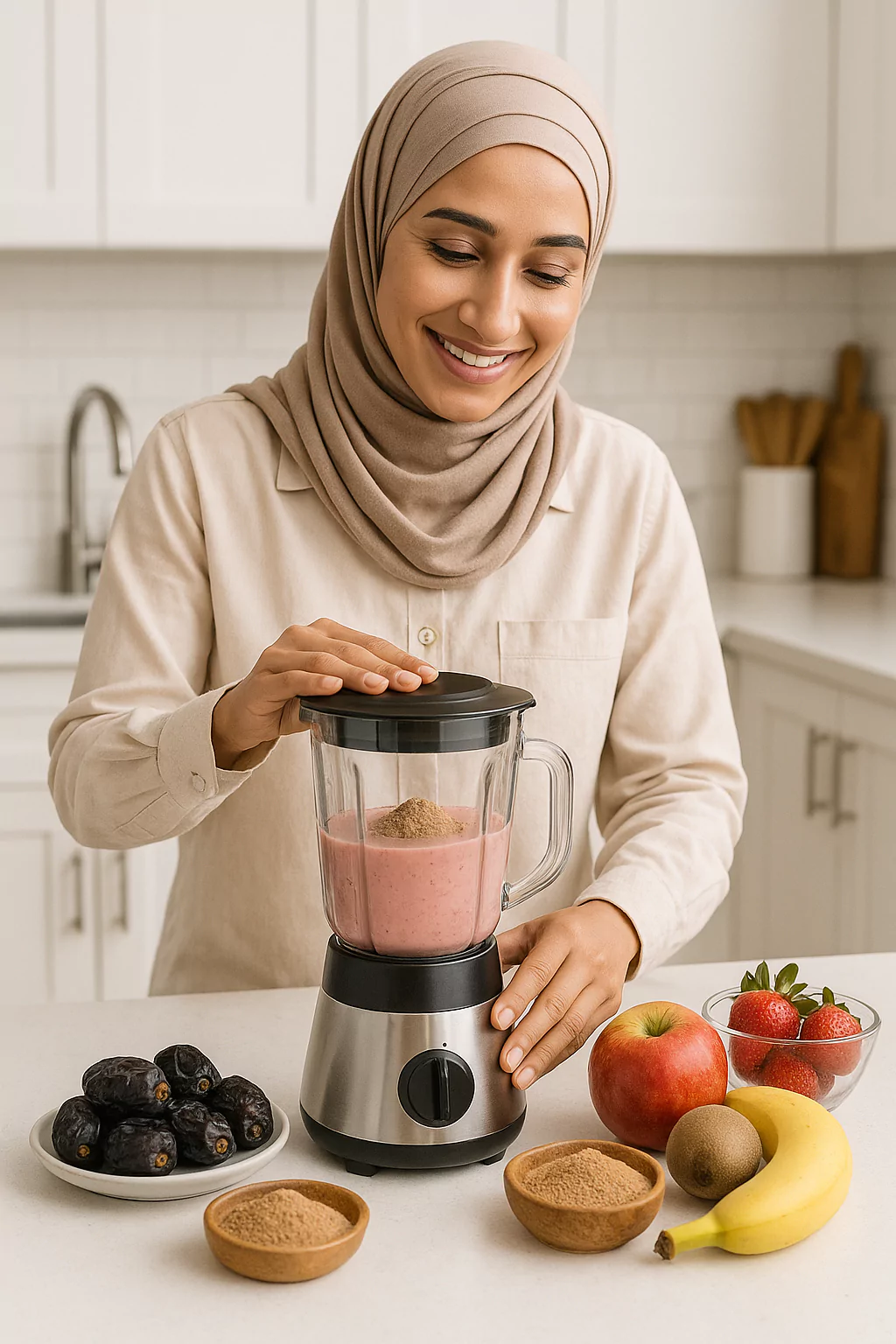
Blending 2–3 Ajwa dates into a smoothie with leafy greens, berries, and plant milk creates a nutrient-dense breakfast or snack that is easy to consume and ensures the fibre is still intact. Try our avocado date smoothie recipe for a healthy fat and antioxidant boost.As Natural Sugar Replacement in Cooking
Using date paste made from Ajwa dates as a substitute for refined sugar in baking and cooking maintains sweetness while adding fibre, minerals, and antioxidants — turning ordinary recipes into genuinely nourishing meals.With a Warm Herbal Tea in the Evening
Eating 2–3 dates with a calming herbal tea like chamomile or spearmint in the evening may support sleep quality through their magnesium and melatonin content — particularly beneficial for women experiencing insomnia related to hormonal changes.
Ajwa Dates vs Other Dates for Women’s Health
Not all dates are equal when it comes to women’s health benefits. While all date varieties offer natural energy and fibre, Ajwa dates stand out for their uniquely high antioxidant concentration and the specific phytochemicals that have been studied for medicinal properties. The table below compares the most popular date varieties sold globally across the key health metrics most relevant to women.
| Feature | Ajwa Dates | Medjool Dates | Sukkari Dates | Safawi Dates | Kimia Dates |
|---|---|---|---|---|---|
| Antioxidant Level | ✦ Highest | ◑ Moderate | ◑ Moderate | ◑ Moderate | ◑ Moderate |
| Iron Content | ✔ High | ◑ Moderate | ◑ Moderate | ✔ High | ◑ Moderate |
| Medicinal Research | ✔ Extensive | ◑ Some | ✗ Limited | ◑ Some | ✗ Limited |
| Magnesium (PMS) | ✔ Good | ✔ Good | ◑ Moderate | ◑ Moderate | ◑ Moderate |
| Fibre (Satiety) | ✔ High | ◑ Moderate | ◑ Moderate | ✔ High | ◑ Moderate |
| Pregnancy Studies | ✔ Studied specifically | ◑ General dates | ✗ Not studied | ✗ Not studied | ✗ Not studied |
| Glycaemic Index | ✔ Lower GI | ◑ Medium | ◑ Medium-High | ◑ Medium | ◑ Medium |
| Taste (Palatability) | Rich, slightly dry, complex | Sweet, soft, caramel | Very sweet, soft, honeyed | Semi-soft, mild sweet | Soft, sweet, jammy |
For a dedicated head-to-head comparison, see our article on Ajwa dates vs Medjool dates, or explore our full overview of types of dates to find the variety that best suits your health goals. Women interested in the specific benefits of Sukkari dates or Safawi dates for female health can find dedicated guides on those pages as well.
Ajwa Seed Powder — An Extra Benefit for Women
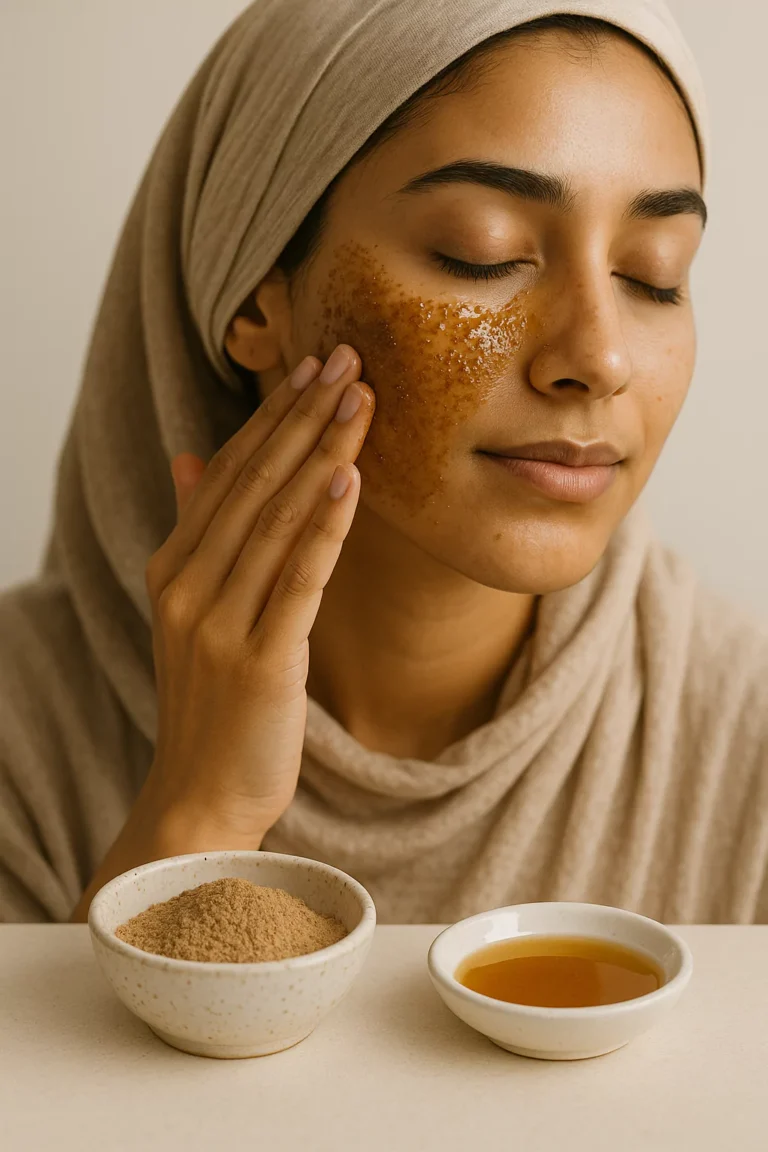
Beyond the fruit itself, the seed of the Ajwa date has emerged as a topic of growing scientific interest. Ajwa seed powder — made by grinding the dried seed into a fine powder — contains a distinct nutritional and phytochemical profile that complements the fruit’s benefits in ways particularly relevant to women’s health.
Research on Ajwa seed extracts has identified anti-inflammatory, antioxidant, and potentially hepatoprotective (liver-protecting) properties. For women, the liver’s role in hormonal balance is critical — the liver is responsible for metabolising and clearing excess oestrogen from the body. When liver function is compromised or sluggish (common with a high-sugar, processed food diet), oestrogen can accumulate and contribute to hormonal imbalances. Compounds in Ajwa seed powder may support liver health and therefore indirectly contribute to better hormonal metabolism.
Some traditional practitioners also recommend Ajwa seed powder for women experiencing irregular menstruation, though clinical evidence for this specific use is still emerging and should be interpreted with caution. The powder is typically taken as a supplement mixed into water, smoothies, or warm drinks. For detailed information on how to use this product and what the research says, visit our dedicated Ajwa seed powder benefits guide and our overview of date seed powder benefits more broadly.
🔬 Note: Ajwa seed powder is a complementary supplement, not a medically validated treatment. Consult a healthcare professional before using it, particularly if you are pregnant, breastfeeding, or taking medication.
Frequently Asked Questions
Everything women need to know about Ajwa dates for health
What are the main benefits of Ajwa dates for women?
Ajwa dates may help women by supporting hormonal balance, reducing iron deficiency anaemia, easing menstrual discomfort, aiding fertility, strengthening bones, and improving skin and hair health. Their rich profile of iron, magnesium, calcium, B vitamins, and antioxidants makes them uniquely well-suited to the nutritional demands women face across all life stages. For a complete overview, visit our health benefits of Ajwa dates guide.
Can Ajwa dates help with PCOS symptoms?
Studies suggest that the anti-inflammatory and antioxidant properties of Ajwa dates — particularly their flavonoid content — may help manage some symptoms associated with PCOS, including hormonal imbalance and chronic inflammation. Their high fibre content may also help moderate insulin resistance, which is a core feature of PCOS. However, Ajwa dates are not a medical treatment for PCOS and should complement — not replace — professional medical care and prescribed treatment. Always consult your gynaecologist or endocrinologist.
How many Ajwa dates should a woman eat per day?
Most nutritionists suggest 3–7 Ajwa dates daily for women as a balanced, health-supportive intake. The optimal amount depends on your health goal: 3–4 for general wellness and weight management, 5–7 for iron support, 6–7 for pregnancy support in the final month. Pregnant women and those with specific health conditions should confirm their ideal intake with a qualified healthcare provider. See our dedicated guide on how many Ajwa dates you should eat daily.
Are Ajwa dates good for women during pregnancy?
Research published in the Journal of Obstetrics & Gynaecology suggests that consuming dates — including Ajwa dates — in the final four weeks of pregnancy may support cervical ripening and reduce the need for induced labour. Ajwa dates are also rich in folate, iron, and potassium — nutrients critical during pregnancy. For a detailed breakdown, visit our dedicated article on Ajwa dates for pregnancy and fertility. Always discuss dietary changes with your midwife or obstetrician during pregnancy.
Do Ajwa dates help with iron deficiency anaemia in women?
Yes. Ajwa dates are a meaningful plant-based source of iron and may help support healthy haemoglobin levels when consumed regularly as part of a balanced diet. They also contain copper — a cofactor needed for iron utilisation — and organic acids that may enhance iron absorption. Women who menstruate heavily, are pregnant, or follow plant-based diets are at higher risk of iron deficiency and may benefit from including Ajwa dates in their daily diet. However, diagnosed anaemia typically requires medical evaluation and may need iron supplementation beyond dietary changes alone.
Can Ajwa dates improve skin and hair for women?
Ajwa dates contain vitamins B5 and B6, antioxidant flavonoids, and iron — all nutrients that contribute to healthy skin and hair. The antioxidants may reduce oxidative stress that accelerates skin ageing, while iron helps ensure adequate oxygen delivery to hair follicles, supporting healthy growth and reducing excessive shedding. B5 (pantothenic acid) supports the skin’s natural moisture barrier. Results are gradual and depend on overall dietary patterns — dates work best as part of a broadly nutritious diet rather than as a standalone remedy.
Are Ajwa dates safe for women with diabetes?
Ajwa dates have a moderate glycaemic index, and their high fibre content may help slow sugar absorption compared to refined sweet foods. Some studies suggest they can be consumed in moderation by individuals with diabetes, though portion control is essential. Women with Type 1, Type 2, or gestational diabetes should always consult their doctor or a registered dietitian before incorporating dates regularly, as individual glycaemic responses vary. Monitoring blood glucose after eating dates is advisable when first introducing them.
What is the best time for women to eat Ajwa dates?
Many nutritionists recommend eating Ajwa dates in the morning — either on an empty stomach or soaked overnight in cold milk — for enhanced nutrient absorption. They also serve as an effective pre-workout snack (30 minutes before exercise) or a satisfying mid-afternoon energy booster. In the evening, 2–3 dates with a calming herbal tea may support sleep quality through their magnesium and natural melatonin content. Learn more about the benefits of soaked Ajwa dates in cold milk.
Can Ajwa dates help with bone health in post-menopausal women?
Ajwa dates contain calcium, phosphorus, magnesium, and potassium — all minerals essential for maintaining bone mineral density. Post-menopausal women face accelerated bone loss due to declining oestrogen levels. The magnesium in Ajwa dates helps the body absorb and utilise calcium effectively, while potassium reduces urinary calcium excretion. Some research also suggests that the anti-inflammatory polyphenols in Ajwa dates may help reduce osteoclast activity — the process that breaks down bone tissue. While dates are a helpful dietary addition, post-menopausal women should discuss bone health strategies comprehensively with their doctor.
How do Ajwa dates compare to Medjool or Sukkari dates for women’s health?
Ajwa dates are considered uniquely beneficial for women’s health due to their exceptionally high antioxidant content — including flavonoids like quercetin, luteolin, and apigenin — and the fact that they are the most extensively studied date variety in clinical research, particularly for pregnancy and cardiovascular health. Medjool dates are larger, sweeter, and higher in calories but have less specialised medicinal research. Sukkari dates are very sweet and soft with moderate nutritional value but less documented medicinal potential. For women specifically seeking therapeutic benefits, Ajwa dates are generally the recommended choice.
⚕️ Medical Disclaimer: This content is for informational and educational purposes only and does not constitute medical advice, diagnosis, or treatment. All health benefits described are based on available nutritional research and are expressed as potential benefits using language such as “may help” or “studies suggest.” Individual results vary significantly based on health status, diet, lifestyle, and genetics. Always consult a qualified healthcare professional — including your doctor, gynaecologist, or registered dietitian — before making changes to your diet, particularly if you are pregnant, breastfeeding, managing a chronic health condition, or taking prescription medication. Do not use this information to delay seeking professional medical advice.
Sources & References
- Al-Shahib, W., & Marshall, R.J. (2003). The fruit of the date palm: its possible use as the best food for the future. International Journal of Food Sciences and Nutrition, 54(4), 247–259. PubMed: 12850886
- Kordi, M., et al. (2017). Effect of Dates in Late Pregnancy on the Duration of Labor and Obstetric Outcomes. Iranian Journal of Nursing and Midwifery Research. PMC5637148
- Vayalil, P.K. (2002). Antioxidant and antimutagenic properties of aqueous extract of date fruit (Phoenix dactylifera L. Arecaceae). Journal of Agricultural and Food Chemistry. PubMed: 12358492
- National Institutes of Health (NIH). Iron Fact Sheet for Health Professionals. Office of Dietary Supplements. ods.od.nih.gov
- World Health Organization (WHO). (2023). Anaemia in Women and Children. who.int
- Healthline Editorial Team. 11 Proven Health Benefits of Dates. Reviewed by Registered Dietitian. Healthline.com

John A. Kareem is a natural wellness writer and researcher passionate about Ajwa dates and traditional Arabian foods.
At Ajwa Dates, he shares evidence-based, easy-to-read content that helps readers discover the real health benefits of dates and other natural ingredients.
His goal is to promote healthy living through authentic, time-tested knowledge.