

Medjool Dates: The King of Dates — Benefits, Nutrition & Uses
What Are Medjool Dates?
Medjool dates (Arabic: تمر المجهول, tamar al-majhool) mean “unknown date.” Originally from Morocco, they are now grown across the Middle East, USA, and Saudi Arabia. The name comes from “tamar” (date) and “majhool” (unknown), reflecting their mysterious ancient origins and royal status among date varieties.
Have you ever tried a date that’s soft, chewy, and melts in your mouth with a rich caramel flavor? That’s the Medjool experience. Known as the “King of Dates” due to their large size, soft texture, rich caramel flavor, and premium quality, these dates are more than just sweet snacks. They’re loaded with fiber, potassium, and natural sugars that give your body clean energy and support a healthy lifestyle.
Whether you’re following a healthy diet, looking for a natural energy boost, or simply enjoying something good for your body, Medjool dates deliver delicious flavor and nutrition that you’ll want again and again. Note: Some Medjool dates naturally contain sulfites or are lightly treated for preservation. People sensitive to sulfites should consume cautiously.
“Unknown Date”
The Arabic name connects Medjool dates to their mysterious Moroccan roots and traditional heritage.
Soft & Chewy
Unlike many firmer varieties, Medjool dates are prized for their naturally moist, luxurious bite.
Natural Energy
They provide fiber, potassium, copper, magnesium, and naturally occurring sugars for sustained energy.
Snack to Dessert
Perfect for smoothies, baking, healthy snacks, and traditional serving with Arabic coffee.
📑 Table of Contents
🎯 Key Takeaways
- Medjool dates are called the “King of Dates” due to their large size, soft texture, and rich caramel flavor
- Two dates provide 133 calories, 3.2g fiber, and significant amounts of potassium, copper, and magnesium
- They may help support heart health, digestion, natural energy, blood sugar management, and bone strength
- Perfect for snacking, smoothies, baking, and as a natural sweetener replacement in recipes
- Store at room temperature for 2 months, refrigerate for 6 months, or freeze for up to 1 year
What Makes Medjool Dates So Popular?
Medjool dates stand out because they combine premium taste, soft texture, and exceptional nutritional value. The sections below explain what they are, how they taste, where they grow, and why they are often considered one of the finest date varieties in the world.
What Are Medjool Dates?
There are more than 100 different varieties of dates in the world, grown in warm climates like Morocco, the USA, Saudi Arabia, and throughout the Middle East. All dates come from the date palm tree (Phoenix dactylifera), but Medjool dates hold a special place among them.
Medjool dates (Arabic: تمر المجهول – tamar al-majhūl, where “tamar” means ‘date’ and “majhūl” means ‘unknown’) are a premium variety originally from the ancient groves of Morocco. Their mysterious name reflects their uncertain historical origins, adding to their mystique and royal reputation.
Unlike many dates you see in stores, Medjool dates are marketed as a fresh fruit rather than fully dried, so they stay remarkably soft and slightly sticky. As they mature, their natural sugar content increases and they develop an even sweeter, more complex flavor profile. They are harvested from the date palm, gently cleaned, and packaged without heavy processing or complete dehydration, preserving their characteristic soft texture and moisture.
This fresh-fruit approach means that when you bite into a Medjool date, you experience a naturally creamy, almost candy-like texture that melts in your mouth. The combination of size, softness, and sweetness has earned them the title “King of Dates” and made them a favorite for both everyday snacking and special occasions across cultures worldwide.
Growing Regions at a Glance
Medjool dates thrive in hot, dry climates with minimal rainfall and intense sunshine. These environmental conditions are essential for developing their signature sweetness, rich dark color, and luxuriously soft texture. The combination of desert heat during the day and cooler nights allows the dates to mature slowly, concentrating their natural sugars and creating their distinctive caramel flavor.
While Morocco is the ancestral home of Medjool dates, successful cultivation has spread to other regions with similar climates. Today, premium Medjool dates are grown in several key regions around the world, each producing dates with slightly different characteristics based on local soil composition, water sources, and microclimate variations.
California’s Coachella Valley and Arizona’s Bard Valley have become particularly renowned for producing high-quality Medjool dates, often grown using organic methods in the pesticide-free desert environment. Many Middle Eastern producers maintain traditional cultivation techniques passed down through generations, ensuring authenticity and premium quality.
How Do Medjool Dates Look and Taste?
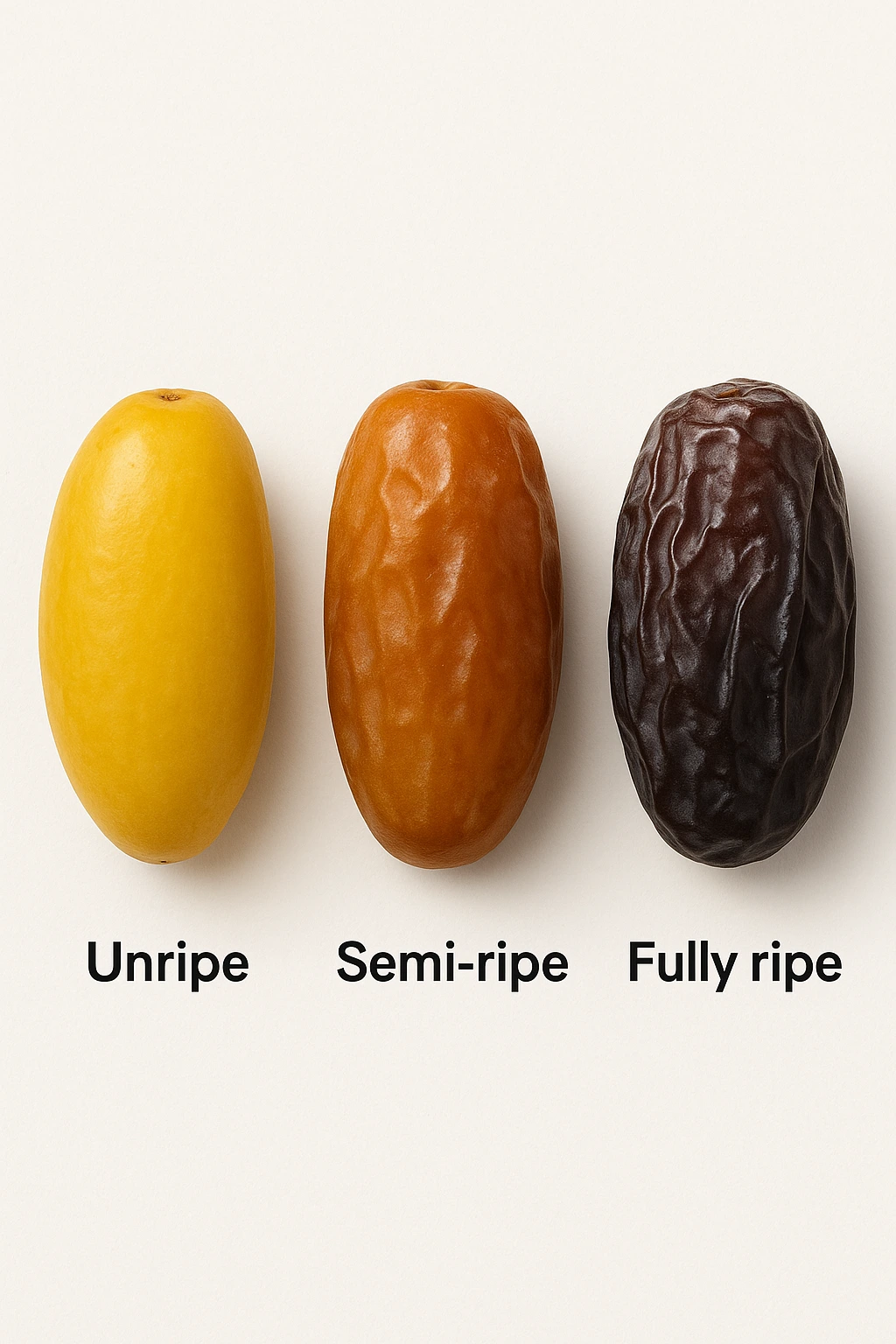
Medjool dates are instantly recognizable by their impressive appearance and distinctive characteristics. Their color ranges from deep, rich brown to almost black, with a glossy sheen that indicates freshness and moisture content. The size is notably large and plump, typically 1.5 to 2 inches long, making them significantly bigger than most other date varieties you’ll find in stores.
The texture is what truly sets Medjool dates apart from other varieties. They are remarkably soft, naturally moist, and wonderfully chewy without being sticky or difficult to eat. When you bite into a fresh Medjool date, it yields gently, almost melting in your mouth with a creamy consistency that’s both satisfying and luxurious.
The flavor profile is complex and deeply satisfying. Medjool dates taste rich and intensely sweet, with natural notes reminiscent of caramel, honey, and even a hint of cinnamon or brown sugar. This sophisticated sweetness is balanced and never cloying, making them enjoyable even for those who don’t typically prefer very sweet foods.
The combination of visual appeal, sensory pleasure, and nutritional benefits is one reason Medjool dates are widely used in premium gift boxes, natural dessert recipes, and healthy snack routines by food enthusiasts and health-conscious consumers around the world.
Where Are Medjool Dates Grown?
Medjool dates flourish in hot, dry climates with minimal rainfall and abundant sunshine. These specific environmental conditions are crucial for producing the dates’ characteristic sweetness, texture, and flavor. The ideal growing environment combines intense daytime heat with cooler nighttime temperatures, allowing the dates to mature slowly and develop their complex sugar profile naturally.
Major Medjool date growing regions around the world include Morocco (the original ancestral home), Israel, Palestine, Jordan, Saudi Arabia (including the blessed region of Madinah), and notably California and Arizona in the United States. Each region produces dates with subtle variations in size, sweetness, and texture based on local soil composition, water quality, and specific microclimate conditions.
The United States has become one of the world’s leading producers of premium Medjool dates, with California’s Coachella Valley and Arizona’s Bard Valley particularly famous for their high-quality output. These American-grown dates benefit from advanced agricultural techniques combined with ideal desert growing conditions, resulting in consistently large, sweet, and beautiful dates that compete with the finest Middle Eastern varieties.
- Warm desert climates provide optimal conditions for robust date palm growth and fruit development.
- Low humidity environments help preserve premium quality during the critical ripening and harvesting stages.
- These established regions are globally recognized for producing the highest quality dates with superior flavor profiles.
Many growers in traditional regions maintain cultivation methods passed down through generations, while modern producers combine this ancestral knowledge with contemporary agricultural science to optimize both yield and quality. The result is a global Medjool date industry that honors tradition while meeting modern quality and safety standards.

Medjool Dates Nutrition Facts (Per 2 Dates)
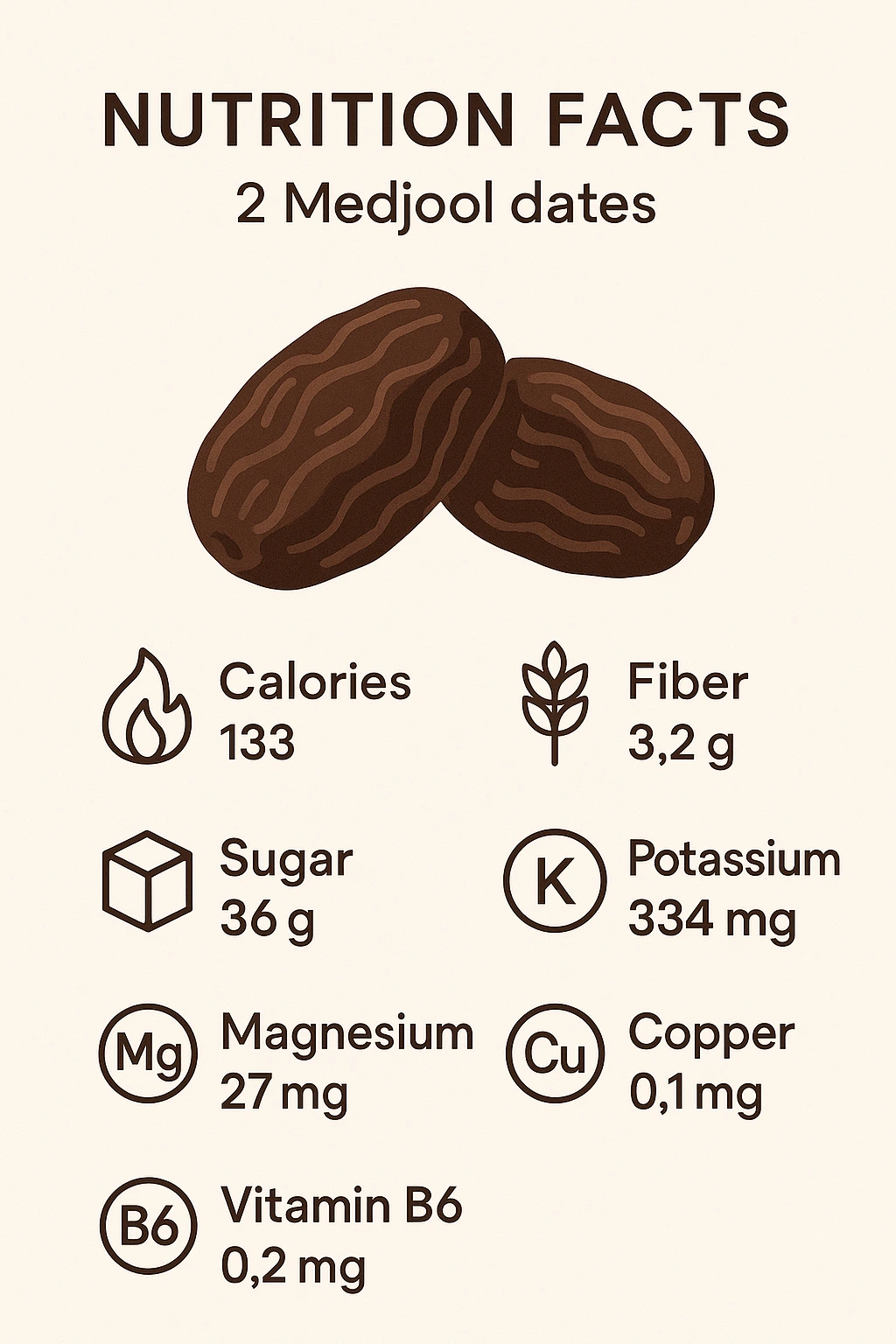
Medjool dates are naturally sweet and packed with essential nutrients that support overall health and wellness. They’re particularly rich in important minerals like potassium, copper, and magnesium, which play vital roles in heart function, muscle performance, energy production, and bone health. Here’s the complete nutritional breakdown for 2 Medjool dates (approximately 48 grams):
- Calories: 133 kcal — providing quick, natural energy
- Carbohydrates: 36 grams — primarily from natural fruit sugars
- Sugar: 32 grams (100% natural fruit sugar, no added sugars)
- Fiber: 3.2 grams — supports digestive health and regularity
- Protein: 0.8 grams
- Fat: 0 grams (completely fat-free)
- Potassium: 7% DV — essential for heart and muscle function
- Copper: 19% DV — supports energy production and iron absorption
- Magnesium: 6% DV — important for bone health and muscle relaxation
- Vitamin B6: 7% DV — helps convert food to energy and reduces fatigue
Health Benefits of Medjool Dates
Medjool dates are far more than just a delicious sweet treat. They contain powerful plant compounds called phytonutrients, which may help strengthen your immune system, reduce inflammation throughout the body, protect your cells from oxidative damage, and support healthy hormone balance. Research suggests they offer several impressive health benefits when consumed as part of a balanced diet:
Support Heart Health
Medjool dates may help promote cardiovascular wellness and reduce the risk of heart disease through multiple mechanisms. They contain a beneficial type of fiber called soluble fiber, which actively helps lower harmful LDL cholesterol levels in the bloodstream. This fiber binds to cholesterol molecules and prevents them from being absorbed into your bloodstream, helping to keep your arteries clear and reducing the risk of blockages that can lead to heart attacks or strokes.
The same soluble fiber may also help maintain healthy blood sugar levels and support normal blood pressure, both of which are critical factors in overall cardiovascular health. Additionally, Medjool dates are rich in antioxidants that may help reduce the amount of fat molecules called triglycerides in your blood. Elevated triglyceride levels are a known risk factor for developing heart disease and other serious cardiovascular conditions.
Improve Digestive Health
Medjool dates contain significant amounts of insoluble fiber, which plays a crucial role in maintaining optimal digestive system function and gut health. This type of fiber adds bulk and substance to your stool, which helps prevent and relieve constipation while keeping your digestive processes moving smoothly and regularly. Regular consumption may promote more consistent, comfortable bowel movements and reduce digestive discomfort.
A healthy, well-functioning gut has been scientifically linked to stronger immune system response, reduced inflammation throughout the body, and improved overall health outcomes. Some research suggests that maintaining good digestive health through adequate fiber intake may even lower the risk of developing serious conditions like colorectal cancer, though more extensive research is still needed to fully understand this connection. Incorporating Medjool dates into your daily routine is a simple, natural, and delicious way to support your digestive wellness.
Provide Natural Energy Boost
Medjool dates contain a perfect blend of natural sugars including glucose, fructose, and sucrose. These naturally occurring sugars provide your body with immediate, accessible energy when you need a quick boost, while also delivering sustained energy to help you stay active and alert for extended periods. Unlike refined sugars found in processed foods, the natural fiber content in dates slows the absorption of these sugars, resulting in steady, sustained energy release rather than the sharp spike and subsequent crash associated with candy or sugary drinks.
This makes Medjool dates an ideal natural energy source and pre-workout snack for athletes, active individuals, or anyone needing sustained energy throughout their day. They’re perfect for eating before or after physical exercise, during long work sessions, or whenever you feel your energy levels dropping. The combination of quick and slow-burning energy provides both immediate fuel and lasting endurance without any added refined sugars or artificial ingredients.
Help Manage Blood Sugar Levels
Despite their naturally sweet taste, Medjool dates have a low to medium glycemic index (GI), which means they don’t cause rapid spikes in blood sugar levels the way refined sugars and many processed sweet foods do. Some research suggests that dates may actually slow down the rate at which your body absorbs and processes sugar, potentially helping to maintain more stable blood sugar levels throughout the day and supporting better overall glucose control.
The B vitamins present in dates play an important role in helping your body efficiently convert food into usable energy, which may help reduce feelings of fatigue and support sustained energy levels. This blood sugar-stabilizing effect may contribute to better weight management, reduced diabetes risk, and improved metabolic health over time. However, people with diabetes or pre-diabetes should still monitor their intake carefully and consult with their healthcare provider or registered dietitian before adding significant amounts of dates to their regular diet.
Strengthen Bones and Muscles
Remarkably, Medjool dates contain approximately 50% more potassium than bananas, which are typically considered the go-to fruit for this essential mineral! Potassium is a crucial mineral that helps keep your cardiovascular system, muscular system, and respiratory system functioning properly. It supports healthy heart rhythm, proper muscle contraction and relaxation, and efficient breathing.
Beyond potassium, Medjool dates provide significant amounts of essential minerals like calcium, magnesium, and phosphorus that work together to support strong, healthy bones and may help reduce the risk of developing bone-related conditions such as osteoporosis as you age. Magnesium also plays vital roles in muscle function, nerve signaling, energy production, and maintaining healthy blood pressure. Getting adequate amounts of these critical minerals from whole food sources like dates is a practical, natural way to support your skeletal system, muscle health, and overall physical strength at any age or activity level.
Support Brain Function and Mental Clarity
The powerful antioxidants present in Medjool dates, including flavonoids, carotenoids, and phenolic acid, may help protect brain health and reduce harmful inflammation in the nervous system. Chronic inflammation in brain tissue has been scientifically linked to cognitive conditions like memory decline, reduced mental performance, and increased risk of neurodegenerative diseases as we age.
Many people don’t consume enough potassium in their daily diet, which can lead to symptoms including persistent tiredness, muscle weakness, irregular heartbeat, and reduced cognitive function. Medjool dates naturally help you increase your potassium intake while supporting your body’s complex network of nerves and muscles. Regular consumption as part of a balanced, nutrient-rich diet may contribute to clearer thinking, better mental focus, improved memory retention, and enhanced overall cognitive performance over time. The combination of natural sugars for brain fuel and protective antioxidants makes dates an excellent brain-supporting food.
Medjool vs Ajwa Dates: Key Differences
Both Medjool and Ajwa dates are highly valued in global date culture and Middle Eastern tradition, but they differ significantly in texture, sweetness, nutritional purpose, traditional uses, and regional preference. Understanding these differences can help you choose the right variety for your specific needs, whether culinary, nutritional, or spiritual.
| Feature | Medjool Dates | Ajwa Dates |
|---|---|---|
| Primary Origin | Morocco, USA, Middle East | Madinah, Saudi Arabia |
| Texture | Very soft, moist & chewy | Firm, slightly dry & dense |
| Taste Profile | Sweet, rich, caramel-like | Mild, subtly sweet, nutty |
| Size | Large & plump (1.5-2 inches) | Small to medium |
| Natural Sugar Level | Higher natural sugar content | Lower natural sugar content |
| Best Used For | Energy snacks, desserts, smoothies, baking | Sunnah practice, daily spiritual consumption, traditional medicine |
| Cultural Significance | King of Dates, premium gift fruit | Holy fruit from Madinah, mentioned in hadith |
How to Use Medjool Dates in Your Daily Diet
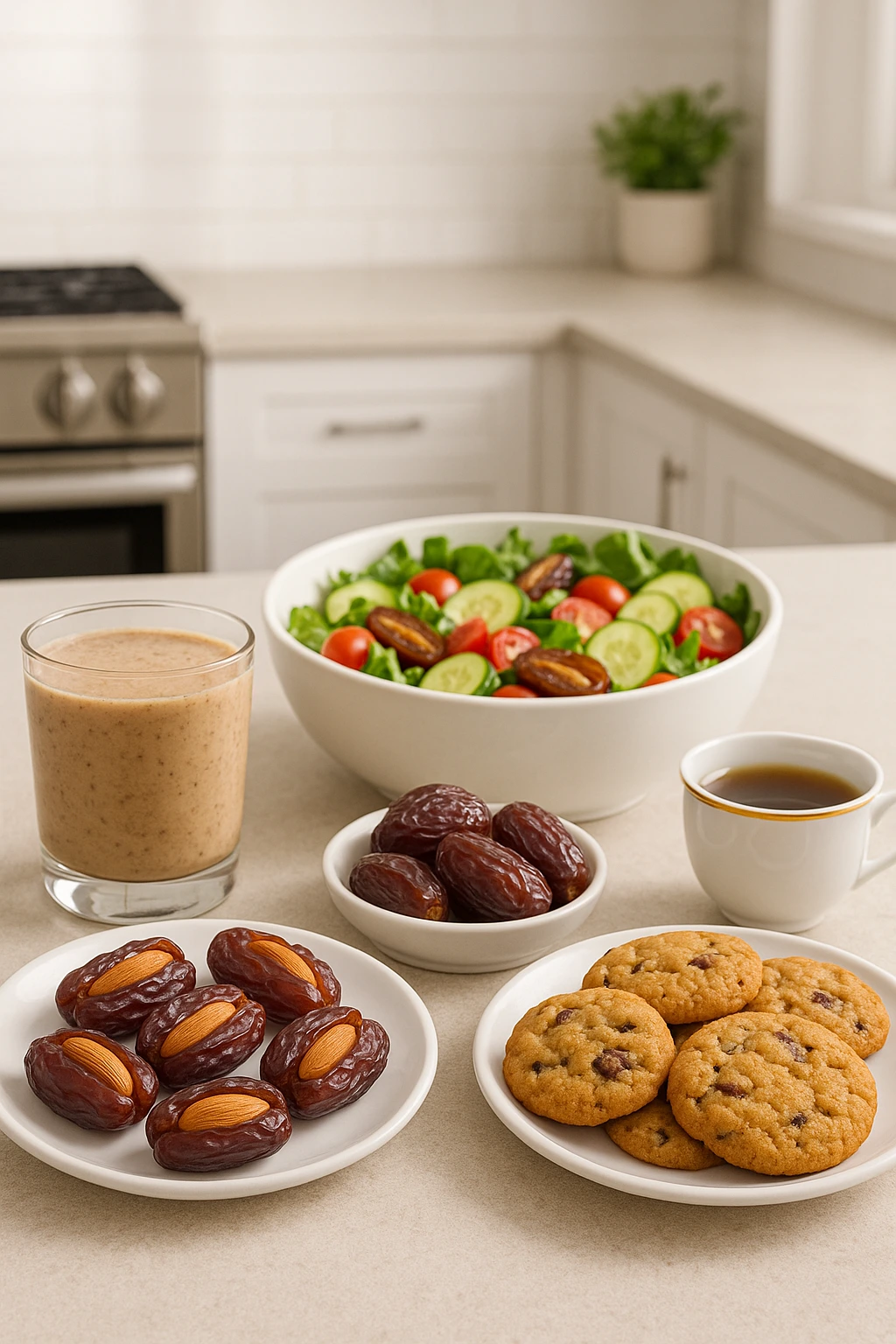
Medjool dates are remarkably versatile and can be enjoyed in countless delicious and creative ways. Their natural sweetness, soft texture, and rich flavor make them perfect for everything from quick healthy snacks to gourmet desserts and traditional cultural presentations. Here are some easy and delicious ways to incorporate them into your meals and snacks:
As a Quick Healthy Snack
Enjoy them plain straight from the package for instant energy, or get creative by stuffing them with almonds, walnuts, peanut butter, almond butter, cream cheese, goat cheese, or even dark chocolate for an indulgent yet nutritious treat. Stuffed dates make perfect party appetizers or healthy dessert alternatives.
In Smoothies and Breakfast Bowls
Blend 2-3 pitted dates with your favorite milk (dairy or plant-based), banana, nuts, nut butter, oats, and ice for a naturally sweet, nutrient-dense, and satisfying breakfast smoothie. They add natural sweetness and creamy texture without any need for added sugar or artificial sweeteners.
In Baking and Dessert Recipes
Use chopped dates in cakes, cookies, muffins, brownies, energy bars, and date balls. Make homemade date syrup, date paste, or date caramel as a natural, healthy sweetener replacement for refined sugar, honey, or maple syrup in virtually any recipe. Check out more desserts with dates for inspiration.
In Salads and Savory Main Dishes
Chop and add to fresh green salads, grain bowls, couscous, quinoa, or rice dishes for an unexpected sweet contrast that balances savory flavors beautifully. They pair especially well with nuts, cheese, arugula, spinach, and tangy dressings in Mediterranean and Middle Eastern inspired dishes.
With Arabic Coffee (Traditional Serving)
Serving dates alongside traditional Arabic coffee (qahwa) or strong Turkish coffee is a cherished custom throughout the Middle East, representing hospitality, warmth, and cultural heritage. This traditional pairing is especially common during Ramadan, Eid celebrations, and when welcoming guests into the home.
How to Properly Store Medjool Dates
To keep your Medjool dates fresh, delicious, and at peak quality for as long as possible, it’s important to store them properly based on how long you plan to keep them and how frequently you’ll be using them. Proper storage preserves their soft texture, rich flavor, and nutritional value while preventing spoilage, drying out, or unwanted crystallization.
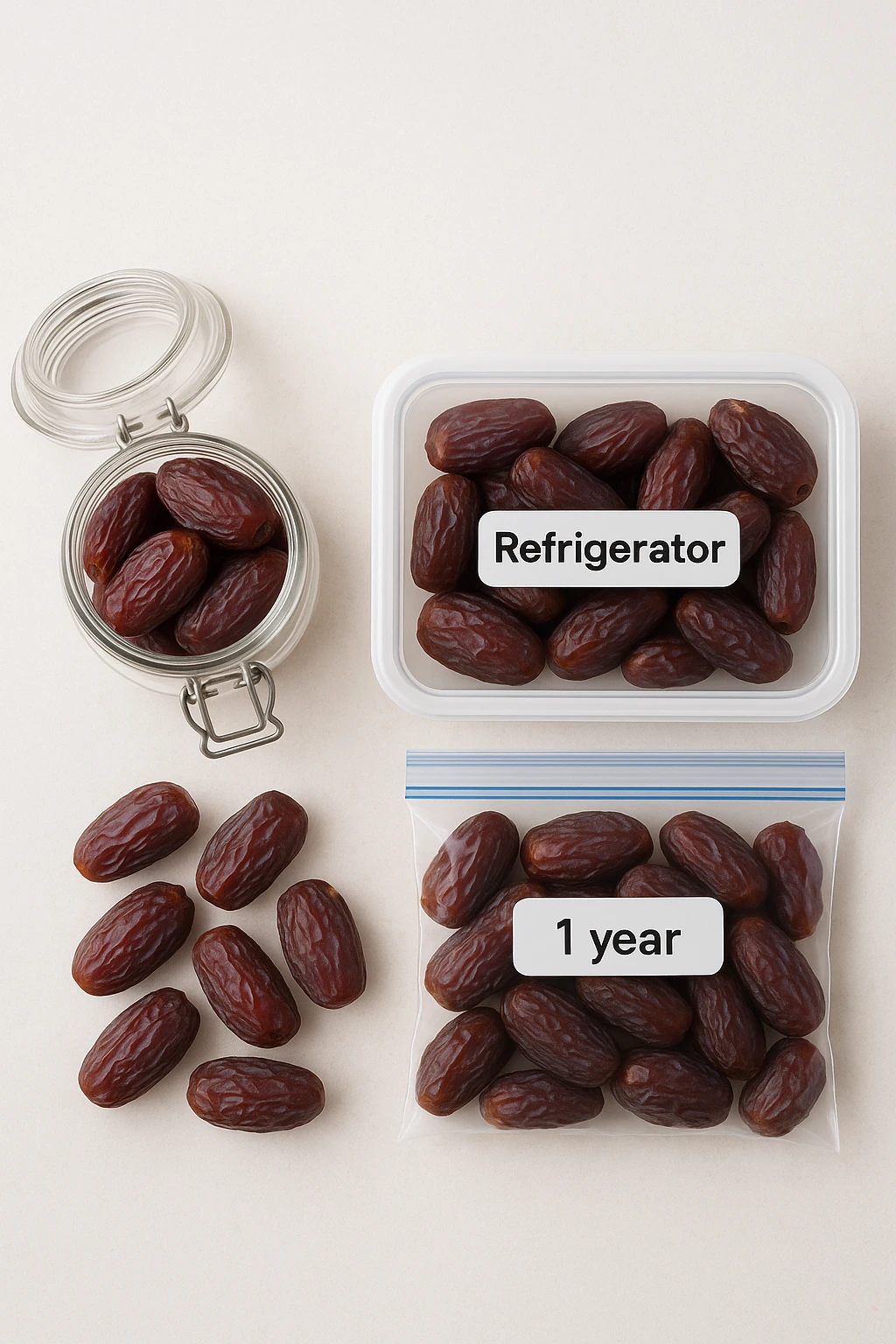
Room Temperature Storage: Keep in a sealed container for up to 2 months
Best for short-term use and easy daily access. Store in an airtight container away from direct sunlight, heat sources, and humidity. Perfect if you eat dates regularly and will finish them within a few weeks.
Refrigerator Storage: Stays fresh for up to 6 months
Refrigeration is helpful for preserving that signature soft, moist texture and extending shelf life significantly. Store in an airtight container or resealable bag to prevent them from absorbing other food odors and to maintain optimal moisture levels.
Freezer Storage: Store up to 1 year in an airtight container
Freezing is the best option for bulk buying and long-term storage without quality loss. Freeze in a heavy-duty freezer bag or airtight container. Thaw at room temperature for 30-60 minutes before eating, or use frozen in smoothies and baking recipes.
Everything You Need to Know About Medjool Dates
Below are the most common questions readers ask about Medjool dates, covering meaning, nutrition, health considerations, allergies, weight management, storage tips, and practical usage advice. These answers will help you make informed decisions about incorporating Medjool dates into your diet and lifestyle.
📚 Sources & References
- Healthline – Medjool Dates: Nutrition, Benefits, and Uses
- National Center for Biotechnology Information (NCBI) – Nutritional and Functional Properties of Dates: A Review
- WebMD – Health Benefits of Dates
- USDA FoodData Central – Nutritional Database for Dates
- Harvard T.H. Chan School of Public Health – The Nutrition Source: Dates
Continue Exploring Premium Date Varieties
If you want to compare more date types, understand traditional uses, discover health benefits, or find the best variety for your nutrition and taste preferences, continue reading the comprehensive guides available on AjwaaDates.com.
Explore All Date Varieties