Ajwa Seed Powder Benefits: 10 Effects, Dosage & Side Effects (2026)
Ajwa seed powder may support heart health, digestion, and antioxidant intake, according to early research. Here’s the correct dosage, how to make it at home, possible side effects, and the best time to take it.
Explore the Ajwa Seed Powder Guide →Most people enjoy Ajwa dates and throw away the seed without a second thought. But in traditional Arabian and Islamic practice, the seed itself has long been dried, ground, and used in its own right. As covered in more depth in our complete Ajwa Seed Powder guide, the seed contains a different set of bioactive compounds than the fruit — and a growing body of laboratory and early human research is starting to take a closer look at what they might do.
This guide walks through what Ajwa seed powder actually is, what the research says about its potential benefits, how much to take, how to make it yourself, possible side effects, and the questions people ask most often before trying it.
📋 Table of Contents
- What Is Ajwa Seed Powder?
- Nutritional Profile & Active Compounds
- Top 10 Potential Benefits (What the Research Says)
- A Closer Look at the Research
- How to Make Ajwa Seed Powder at Home
- Correct Dosage & How to Use It
- Best Time to Consume It
- 5 Practical Ways to Use Seed Powder
- Ajwa Seed Powder vs. Regular Date Seed Powder
- Potential Side Effects & Precautions
- Storage & Shelf Life
- Where to Buy & Quality Indicators
- Frequently Asked Questions
Key Takeaways
- Ajwa seed powder contains its own set of antioxidants and fiber, distinct from the fruit
- Early research suggests it may support heart, digestive, and blood-sugar health — but evidence is still preliminary
- A common starting amount is ½–1 teaspoon (about 1.5–3g) daily, increased gradually
- Most people take it in warm water or milk in the morning, or before bed
- Pregnant or breastfeeding women, people on medication, and those with clotting disorders should consult a doctor first
- Seeds must be fully dried and finely ground — never eaten whole
What Is Ajwa Seed Powder?
Ajwa seed powder is made by drying and finely grinding the seeds (pits) found inside Ajwa dates. While the fruit itself is prized for its sweetness and is the part referenced in Islamic tradition, the seed — typically about 10–15% of the date’s total weight — contains a noticeably different mix of compounds, including polyphenols, dietary fiber, minerals, and fatty acids.
In traditional Arabian medicine, ground date seeds have been used for generations to support digestion and general wellness, often as a household remedy rather than a formally prescribed treatment. Over the past two decades, food scientists — particularly in Saudi Arabia, the UAE, and Egypt — have started analyzing date seeds in the lab to understand what’s actually in them and whether the traditional reputation holds up under closer scrutiny. The short answer so far: there’s real chemistry here worth taking seriously, even though large-scale human trials are still limited.
📖 A Note on Islamic Tradition
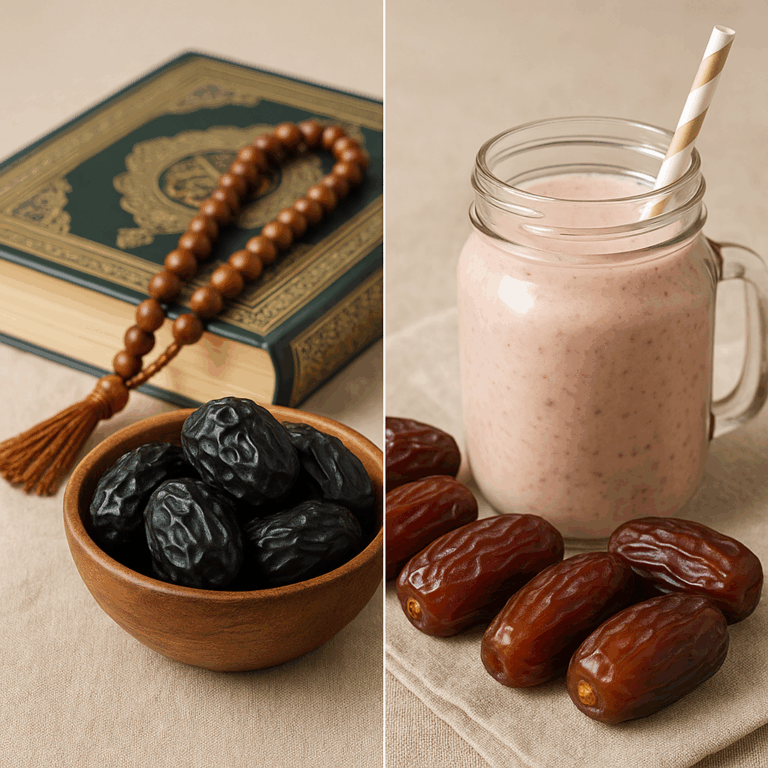
The well-known Hadith about the protective benefit of eating seven Ajwa dates each morning refers specifically to the fruit, not the seed. The seed’s use in traditional medicine developed separately, through generations of household practice rather than religious text, and the two should be discussed as distinct topics.
Nutritional Profile & Active Compounds
Date seed composition varies by cultivar, growing region, and how the seeds are dried and processed, so published analyses don’t always agree on exact figures. That variation is itself useful to know — it means any single number you see quoted online (including some of our own past figures) should be treated as an approximate range rather than a fixed fact. The ranges below reflect several peer-reviewed nutritional analyses of date seed powder.
Typical Composition Ranges (Per 100g of Dried, Ground Seed)
| Component | Typical Range | Why It Matters |
|---|---|---|
| Dietary Fiber | 15–27g | Digestive regularity, fullness |
| Carbohydrates | 55–80g | Mostly structural fiber, not sugar |
| Protein | 4–6g | Minor contribution to daily intake |
| Fat (incl. oleic acid) | 8–13g | Heart-healthy monounsaturated fat |
| Total Phenolics | Hundreds of mg GAE/100g | Antioxidant activity |
| Key Minerals | Calcium, magnesium, potassium, iron | General nutritional support |
Notable Compounds Identified in Date Seed Research
Beyond the basic nutrition profile, researchers using mass spectrometry have identified dozens of individual phenolic and flavonoid compounds in date seed extracts. Several recur consistently across studies:
- Protocatechuic acid — an antioxidant compound with documented anti-inflammatory activity in plant-based research
- Ferulic acid — helps protect cells against oxidative stress in laboratory testing
- Gallic acid — shows antimicrobial activity in several in-vitro studies
- Catechin and quercetin — flavonoids commonly linked to cardiovascular research
It’s worth being precise about what “identified in the lab” means versus “proven to work in people” — these compounds are real and measurable, but their presence doesn’t automatically translate into a guaranteed health effect at the doses found in a teaspoon of powder.
Top 10 Potential Benefits of Ajwa Seed Powder
The list below reflects a mix of traditional use, laboratory research, animal studies, and a handful of small human trials. We’ve tried to be specific about which is which, because that distinction matters more than most “10 benefits” lists let on.
May Support Heart Health & Cholesterol Balance
In animal research, aqueous extracts from Ajwa and Sukkari date seeds were given to rats with diet-induced high cholesterol, and the treated groups showed improvements in total cholesterol, triglycerides, and LDL levels compared with untreated controls, along with better antioxidant markers in the blood. The seeds’ oleic acid content — the same monounsaturated fat found in olive oil — combined with their polyphenols may help explain this. It’s worth being clear about what this evidence does and doesn’t show: these are animal studies, not large human trials, so the effect seen in rats may not translate directly to people the same way. For now, Ajwa seed powder is best viewed as a possible complement to, not a replacement for, a heart-healthy diet and any medication your doctor has prescribed.
Rich Source of Protective Antioxidants
A 2024 laboratory analysis specifically using young Ajwa date seeds found substantial concentrations of total phenolics and flavonoids, along with measurable free-radical-scavenging activity in standard antioxidant assays. Separate research comparing Ajwah, Safawy, and Sukkari date extracts found all three cultivars showed meaningful radical-scavenging and reducing power, with Ajwah performing competitively against the others. Antioxidants work by helping neutralize unstable molecules called free radicals, which are linked to cellular stress over time. This doesn’t mean the powder can reverse aging or prevent specific diseases — claims sometimes made online without evidence — but the lab data does support the seed’s reputation as one of the more antioxidant-dense parts of the date palm.
May Support Healthy Blood Sugar Metabolism
Several lines of research have looked at date seeds and blood sugar. In lab studies using human liver cells, date seed extract inhibited the carbohydrate-digesting enzymes alpha-amylase and alpha-glucosidase, and increased expression of GLUT4, a protein involved in glucose uptake. A small randomized, placebo-controlled human trial in people with type 2 diabetes also reported reductions in fasting blood glucose and advanced glycation end-products after date seed supplementation, and a separate 12-week trial in women with type 2 diabetes found modest improvements in blood sugar markers. These findings are encouraging but still preliminary. People with diabetes should never substitute Ajwa seed powder for prescribed medication and should monitor blood sugar closely with their doctor’s input.
Supports Digestive Health Through High Fiber
Date seeds are notably fibrous — published analyses of date seed powder report dietary fiber contents ranging from roughly 15% to over 25% by weight, depending on variety and processing, which is considerably higher than the fiber content of the date flesh itself. Fiber adds bulk to stool, supports regular bowel movements, and feeds beneficial gut bacteria, which lines up with the seed’s traditional use for digestive comfort. Because fiber intake should increase gradually, people trying Ajwa seed powder for the first time often notice mild bloating if they start with a full dose right away — easing in with a smaller amount and plenty of water tends to help.
May Help Calm Inflammation
Ajwa date extracts have shown anti-inflammatory activity in lab testing, including the ability to inhibit cyclooxygenase (COX) enzymes that drive inflammatory signaling and to reduce markers of lipid peroxidation, a marker of oxidative cell damage. In a small study of middle-aged women, date palm seed supplementation was associated with reduced levels of inflammatory markers including interleukin-1β and TGF-β. The phenolic acids unique to date seeds — protocatechuic and ferulic acid among them — are thought to play a role here, since both have documented anti-inflammatory activity in other plant research. This remains an early-stage research area, and the powder shouldn’t be relied on as treatment for any inflammatory condition.
May Support Liver Health
Animal studies on date palm seed extracts have reported protective effects on liver tissue, including improved liver enzyme levels after exposure to substances that normally trigger oxidative liver stress. Researchers believe the seeds’ polyphenol content may help the liver manage oxidative load more efficiently, a pattern echoed across several other date palm by-product studies. That said, this research has mostly been done in animal models rather than in people, and a healthy liver already has its own robust detoxification systems that don’t require supplements to function well. Anyone with an existing liver condition should check with their doctor before adding any new supplement, including this one.
Antimicrobial Potential — Promising but Mixed
Some lab studies on Ajwa date seed and pulp extracts have found measurable inhibitory activity against bacteria such as E. coli and Staphylococcus aureus, plus antifungal activity against Candida albicans. But the picture isn’t entirely consistent — at least one study testing date palm kernel powder from a different region found no significant antibacterial effect against the same bacteria. This kind of variation is common in plant-based antimicrobial research and likely reflects differences in extraction method, variety, and concentration. It’s an interesting area for future study, but the powder should never substitute for proper hygiene, food safety, or prescribed antibiotics when an infection needs treatment.
Traditional Use for Skin Care (Limited Evidence)
In traditional Arabian beauty practice, ground date seeds are sometimes mixed with honey, rose water, or oils and used as a gentle facial scrub, drawing on the antioxidant compounds in the seed. This is a long-standing folk use rather than a clinically studied one — most date seed antioxidant research has looked at oral consumption, not topical application, so the skin benefits often mentioned online are largely anecdotal at this point. If you’d like to try it, a patch test on your inner arm first is a sensible precaution, particularly for sensitive skin.
May Support Appetite Control as Part of a Balanced Diet
Like other concentrated fiber sources, Ajwa seed powder can promote a feeling of fullness when taken with water before a meal, simply because fiber adds bulk and slows digestion — which may help some people moderate portion sizes. This is a general property of high-fiber foods rather than something unique to Ajwa seeds specifically, so a similar effect could come from other fiber sources too. It is not a weight-loss product, a fat burner, or a substitute for the basics of sustainable weight management — adequate protein, regular movement, and a calorie balance that works for your body. Think of it as a small supportive habit, not a shortcut.
Long History in Traditional Arabian Medicine
Long before laboratory antioxidant assays existed, Ajwa date seeds had already earned a place in traditional Arabian folk medicine, where they were ground and used to support digestion and general vitality. As noted earlier, this traditional use developed separately from the fruit’s religious significance, over generations of practical household experience. Modern food science has since taken a real interest in date by-products — partly because they were historically treated as waste, and partly because emerging analyses keep finding genuinely active compounds in them. The seed’s traditional reputation and its modern research profile are two different, complementary kinds of evidence — both worth knowing about, neither a substitute for medical care.
⚠️ Important Research Note
Most of the studies behind these potential benefits are laboratory analyses, animal studies, or small early-phase human trials — not large clinical trials. Ajwa seed powder should not be used as a treatment or cure for any medical condition, and none of the above should be read as a guarantee. Always consult a healthcare professional before making changes to your diet or supplement routine, especially if you have an existing health condition.
Ajwa Seed Powder for Men & Women: Any Difference?
One question that comes up often is whether Ajwa seed powder works differently for men and women. The honest answer: no large study has compared effects by gender, so most of what follows comes from traditional use, small studies, and general nutrition reasoning rather than gender-specific clinical trials. The core benefits — fiber, antioxidants, and minerals — apply to everyone.
For Men
In traditional Arabian practice, ground date seeds have long been used as part of men’s wellness routines, particularly for general vitality. From a nutritional standpoint, the seed’s zinc and magnesium content matters here — both minerals play well-established roles in normal male reproductive health, though the amounts in a teaspoon of powder are modest compared to dedicated dietary sources. The antioxidant compounds (ferulic acid, protocatechuic acid) may help protect cells from oxidative stress, which is relevant to overall reproductive wellness. That said, claims you may see online about dramatic hormonal effects go well beyond what the current evidence supports — treat those with skepticism.
For Women
For women, the most relevant aspects are the iron and mineral content alongside the high fiber, which supports digestive regularity. Notably, one of the few human trials in this area — a 12-week study on date seed supplementation — was conducted specifically in women with type 2 diabetes and reported modest improvements in blood sugar markers. Traditional use among women has also included the seed powder mixed into warm milk. Women who are pregnant or breastfeeding should skip self-supplementation and consult their doctor first, as safety data for these groups is limited (see the Dosage section above).
A Balanced Take
There is no strong evidence that Ajwa seed powder needs to be dosed or used differently by men versus women. Anyone considering it for a specific hormonal or reproductive concern should discuss it with a healthcare professional rather than relying on traditional claims alone.
A Closer Look at the Research
Rather than just listing benefits, it’s worth seeing the actual studies behind them — including their limitations. Here are six peer-reviewed studies that inform the claims above, with their study type made explicit so you can judge the strength of the evidence yourself.
Key Studies on Date Seed Compounds
Ajwa Seed Polyphenol & Antioxidant Profiling
Researchers used ultrasonic-assisted extraction to pull polyphenols from young Ajwa date seeds, then measured total phenolic and flavonoid content alongside antioxidant activity using high-resolution mass spectrometry. The optimized extract showed strong free-radical-scavenging performance in standard antioxidant assays.
Antioxidants (MDPI), 2024
Randomized Trial on Date Seed & Blood Sugar
In a placebo-controlled human trial, adults with type 2 diabetes who took date seed supplements showed reductions in fasting blood glucose and advanced glycation end-products compared with the placebo group — one of the few studies in this area to use real human participants.
Peer-reviewed clinical trial, 2024
Liver Cell & Digestive Enzyme Study
Researchers at a UAE university tested date seed extract on human liver cells and digestive enzymes, finding that it inhibited carbohydrate-digesting enzymes and increased expression of GLUT4, a glucose-transport protein — a plausible mechanism for the traditional blood-sugar use.
Journal of Diabetes Research, 2020
Anti-Inflammatory Markers in Women
A small study following middle-aged women who supplemented with date palm seed found reductions in inflammatory markers, including interleukin-1β and TGF-β, alongside changes in COX enzyme activity — among the few studies testing date seed’s anti-inflammatory effect directly in people.
Saudi Pharmaceutical Journal, 2020
Ajwa & Sukkari Seed Extract in Diabetic Rats
Rats with chemically induced diabetes given aqueous extracts of Ajwa or Sukkari date seeds showed improved blood glucose control and better cholesterol/triglyceride profiles than untreated diabetic rats over eight weeks, along with improved liver and kidney function markers.
Peer-reviewed journal, 2016
Comparative Antioxidant Profiling of Three Cultivars
Using advanced mass spectrometry (UPLC-QTOF-MS), researchers compared antioxidant and phenolic profiles of Ajwah, Safawy, and Sukkari date extracts, identifying over 20 distinct phenolic and flavonoid compounds and confirming meaningful radical-scavenging activity across all three.
Peer-reviewed journal, 2021
🔬 Research Summary
The research is genuinely promising, but it’s also genuinely early. Most studies are laboratory analyses or animal models, human trials are small, and at least one published case report has linked date seed powder to a rare medical complication (covered in the Side Effects section below). Ajwa seed powder should complement — not replace — conventional medical care, and larger, longer human trials would help confirm both the benefits and the safe upper limits of regular use.
How to Make Ajwa Seed Powder at Home
Making your own Ajwa seed powder ensures freshness and lets you control quality, though it takes patience — mostly during drying. Here’s the full process, step by step.
Collect & Clean the Seeds
After eating Ajwa dates, collect the seeds and wash them thoroughly under running water to remove all fruit pulp, using a soft brush if needed. Any sticky residue left behind can cause mold during drying. You’ll need roughly 20–30 seeds to make a meaningful amount of powder.
Sun-Dry the Seeds (3–5 Days)
Spread cleaned seeds in a single layer on a clean tray, and leave them in direct sunlight for 3–5 days, turning daily for even drying. Thorough drying matters — seeds must be completely dry before grinding, or the powder will clump and spoil faster.
Alternative: Oven Drying (Faster)
If you’re short on time, spread the seeds on a baking sheet in an oven set to its lowest temperature (50–60°C / 120–140°F), door slightly open, for 6–8 hours. Check periodically — seeds are ready when they sound hard and hollow when tapped.
Confirm the Seeds Are Fully Dried
Tap a seed on a hard surface — it should sound hollow and feel rock-hard throughout. Any remaining moisture makes grinding difficult and shortens the powder’s shelf life. If in doubt, return seeds to the sun or oven a little longer.
Break Seeds Into Smaller Pieces
Ajwa seeds are extremely hard and can damage a blender if added whole. Use a mortar and pestle, rolling pin, or heavy knife to break each seed into 3–4 pieces first, protecting your equipment and giving a more even grind.
Grind Into a Fine Powder
Add the broken pieces to a high-powered blender or coffee/spice grinder. Grind in 30-second bursts, letting the machine rest between bursts so it doesn’t overheat. Sieve and re-grind any larger pieces until the texture is fine and consistent.
Sieve & Store Properly
Pass the powder through a fine mesh sieve, then transfer it to an airtight glass jar labeled with the date. Store somewhere cool, dry, and out of direct sunlight. Properly stored, it stays fresh for roughly 6–12 months.
⚠️ Equipment Warning
Ajwa seeds are among the hardest date seeds available. Never grind them whole in a standard blender — this can damage the blades. Always break the seeds into smaller pieces first, and use a dedicated coffee or spice grinder for the best, finest results.
Correct Dosage & How to Use Ajwa Seed Powder
There’s no officially established medical dosage for Ajwa seed powder. The amounts below reflect traditional use and the dosing ranges used in the small research studies covered earlier — start with the lower end and increase gradually as your body adjusts.
| User Group | Suggested Daily Amount | How to Take | Notes |
|---|---|---|---|
| Healthy Adults | 1–2 teaspoons (3–6g) | Warm water, smoothie, or food | Start with ½ tsp to assess tolerance |
| Seniors (65+) | ½–1 teaspoon (1.5–3g) | Warm water or milk | Start low; consult your doctor first |
| Children (12–17) | ½ teaspoon (1.5g) | Mixed into food or smoothie | Parental supervision recommended |
| Children (under 12) | Not recommended | — | Consult a pediatrician first |
| Pregnant Women | Consult a doctor only | — | Medical supervision required |
| Breastfeeding Mothers | Consult a doctor only | — | Safety not well established |
📏 Measuring Guide
1 teaspoon of Ajwa seed powder is roughly 3 grams. If you’re new to it, start with half a teaspoon daily for the first week so your digestive system can adjust to the added fiber before working up to a full dose.
Best Time to Consume Ajwa Seed Powder
When you take it can influence how your body absorbs the active compounds. Here are the three most common approaches, based on traditional use:
Morning, on an Empty Stomach
This is the approach most traditional practitioners favor. Mix one teaspoon in a glass of warm water and drink it before eating anything else. The idea is to allow absorption of the active compounds before food intake begins, which may support digestion through the day. There’s no rigorous human trial proving this exact timing outperforms others — it’s based on traditional practice and general digestive-health reasoning rather than a head-to-head study.
Before Bedtime
Taking the powder before sleep, mixed into warm milk or water, is the second most common approach in traditional use. It’s often recommended for people who find an empty-stomach morning dose uncomfortable, or who are specifically focused on overnight digestive comfort rather than daytime energy or appetite effects.
20–30 Minutes Before a Meal
If you’re using the powder mainly for its fiber and fullness effect, taking it shortly before a meal — mixed into a small glass of water, followed by a full glass of plain water — gives the fiber time to start absorbing liquid and creating a sense of fullness before you start eating.
5 Practical Ways to Use Ajwa Seed Powder
Ajwa seed powder has a mild, slightly nutty, faintly bitter flavor that blends well into a range of foods and drinks. Here are five straightforward ways to work it into your routine.
Classic Warm Water Drink
Ingredients: 1 tsp Ajwa seed powder, 250ml warm water, optional honey or lemon
Method: Stir the powder into warm (not boiling) water until dissolved. Add honey or lemon to taste, and drink on an empty stomach in the morning.
Best for: General wellness, antioxidant intake, digestion
Golden Seed Milk
Ingredients: 1 tsp Ajwa seed powder, 300ml warm milk (dairy or plant-based), pinch of turmeric, honey to taste
Method: Warm the milk gently, whisk in the powder and turmeric, sweeten, and drink warm before bed.
Best for: Evening wind-down, digestive comfort
Morning Smoothie Boost
Ingredients: 1 tsp Ajwa seed powder, 1 banana, handful of spinach, 200ml almond milk, 1 tbsp nut butter
Method: Blend everything until smooth — the banana and nut butter mask the seed powder’s earthy taste well.
Best for: Energy, post-workout recovery
Overnight Oats Mix-In
Ingredients: 1 tsp Ajwa seed powder, ½ cup rolled oats, 1 cup milk, 1 tbsp chia seeds, fresh fruit
Method: Mix everything, refrigerate overnight, top with fruit in the morning. The flavor blends naturally with oats.
Best for: Convenience, sustained morning energy
Honey-Seed Energy Bites
Ingredients: 2 tsp Ajwa seed powder, 1 cup pitted dates, ½ cup oats, 3 tbsp raw honey, ¼ cup nuts
Method: Blend everything in a food processor, roll into balls, and chill for an hour. Makes about 15 bites.
Best for: Pre-workout snack, kid-friendly treat
Ajwa Seed Powder vs. Regular Date Seed Powder
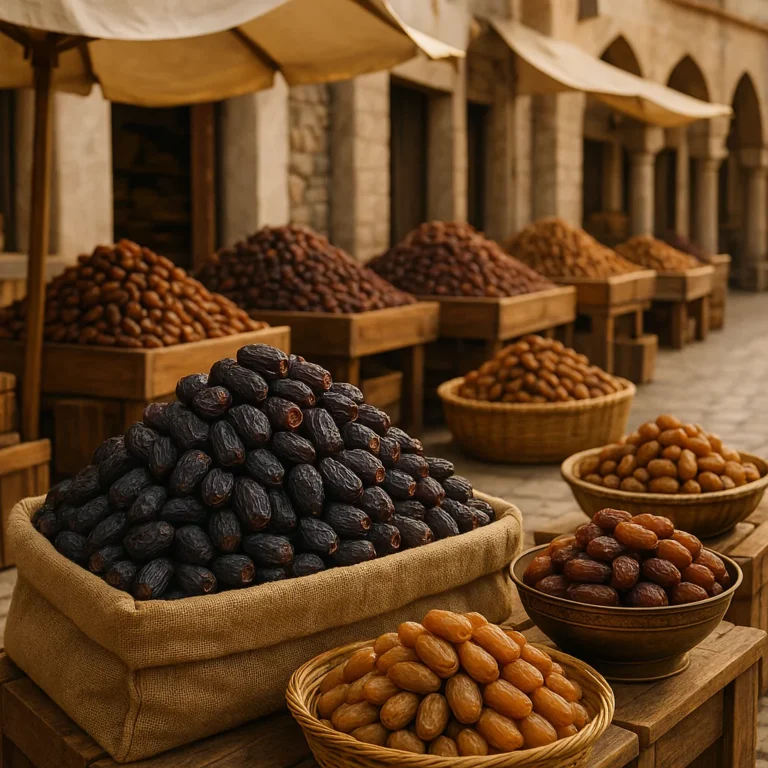
“Regular” or generic date seed powder can be made from almost any date variety, while Ajwa seed powder comes specifically from Ajwa dates grown in Al-Madinah, Saudi Arabia. Because antioxidant and phenolic content vary meaningfully between cultivars, that distinction matters more than many sellers let on. Comparative lab research — including phenolic profiling studies of Ajwah, Safawy, and Sukkari cultivars — generally places Ajwa among the higher-antioxidant varieties, though Medjool, Sukkari, and other premium types each bring their own nutritional strengths. If you’re exploring the wider range of date varieties, our Types of Dates guide breaks down how each one differs.
| Date Variety | Reported Antioxidant Level | Traditional Use of Seed | Availability |
|---|---|---|---|
| Ajwa (Al-Madinah) | High in comparative studies | Extensive — Arabian folk medicine | Specialty stores |
| Medjool | Moderate | Limited | Widely available |
| Sukkari | Moderate-to-high | Some traditional use | Common in the Gulf region |
| Safawi | Moderate-to-high | Some traditional use | Regional / specialty stores |
| Kimia | Limited data available | Minimal documented use | Regional |
If you’d like the fuller fruit-level comparison rather than just the seed, our Ajwa vs. Medjool guide covers taste, price, and nutrition side by side.
Potential Side Effects & Precautions
Ajwa seed powder is generally considered well-tolerated by healthy adults in the amounts described above, but there are real precautions worth knowing — including one documented in the medical literature that most articles on this topic don’t mention.
⚠️ Side Effects to Watch For
- Digestive discomfort — Bloating, gas, or mild stomach upset, especially when starting. Begin with half a teaspoon and increase gradually.
- Looser stools — The high fiber content can change bowel habits. Drink plenty of water alongside it.
- Allergic reactions — Rare, but possible. Stop use if you notice itching, rash, swelling, or breathing difficulty.
- Blood sugar effects — May affect glucose levels. People with diabetes should monitor carefully and involve their doctor.
- Medication interactions — May interact with blood thinners, blood pressure medication, or diabetes drugs.
- Rare clotting complication — A published medical case report documented portal vein thrombosis (a blood clot in a major vein supplying the liver) in a patient following date seed powder consumption. This appears to be an isolated, rare event rather than a common risk, but it’s a real, citable finding — not a hypothetical one — and it’s a reason anyone with a clotting disorder or on blood-thinning medication should talk to a doctor before using date seed powder regularly.
Who Should Avoid or Limit Ajwa Seed Powder
- Pregnant women — Limited safety data available; consult your OB/GYN before use
- Breastfeeding mothers — Safety not well established; medical consultation recommended
- Children under 12 — Not recommended without pediatric guidance
- People with clotting disorders or on blood thinners — Given the case report above, medical clearance is advisable
- People with kidney disease — High mineral content may require dietary adjustment
- Those with IBS — The high fiber load may worsen symptoms for some people
- Pre-surgery patients — Consider discontinuing at least two weeks before any planned surgery
Storage & Shelf Life of Ajwa Seed Powder
Proper storage protects both the nutritional value and the safety of your Ajwa seed powder:
| Storage Method | Container | Shelf Life | Notes |
|---|---|---|---|
| Room Temperature | Airtight glass jar | 3–6 months | Keep away from sunlight and moisture |
| Refrigerator | Sealed glass container | 6–12 months | Let it reach room temp before opening to avoid condensation |
| Freezer | Freezer-safe container | 12–18 months | Portion into weekly amounts before freezing |
Signs the Powder Has Gone Bad
- Musty or off smell — discard immediately
- Visible mold or dark spots — do not consume
- Stubborn clumping that won’t break apart — may signal moisture contamination
- Bitter or rancid taste — indicates fat oxidation; discard
Where to Buy & Quality Indicators
If you’d rather buy ready-made Ajwa seed powder than prepare it yourself, here’s what’s worth checking before you order. For a sense of fair market pricing on the dates themselves, our Ajwa Dates Price guide is a useful reference point — seed powder from very cheap, unlabeled dates is more likely to be mislabeled or low quality.
Where to Find It
- Authentic Islamic food stores — often carry higher-quality Ajwa products
- Online marketplaces — established sellers with clear sourcing information
- Middle Eastern grocery stores — may carry imported products from Saudi Arabia
- Specialty health food stores — increasingly stocking date-based products in Western markets
- Direct importers — some companies source directly from Madinah
Quality Indicators
Origin Verification
Authentic Ajwa dates come exclusively from Al-Madinah Al-Munawwarah, Saudi Arabia. Look for products that clearly state this. Mislabeling is common — be cautious of anything claiming to be “Ajwa” from other regions at a suspiciously low price.
Ingredient List
The ingredient list should say only “Ajwa date seed powder” — nothing else. Avoid products with fillers, maltodextrin, or other additives. A pure, single-ingredient product is always preferable for this kind of supplement.
Certifications & Testing
Where possible, look for third-party lab testing for purity and heavy metals. Halal certification is standard for authentic Ajwa products, and organic certification is a welcome bonus where available.
Frequently Asked Questions About Ajwa Seed Powder
No. Ajwa seeds are extremely hard and cannot be safely chewed or digested whole — attempting to swallow them poses a choking and digestive-blockage risk. They must be thoroughly dried and ground into a fine powder before use, and even partially ground seeds should be avoided.
Some people notice digestive changes within one to two weeks of consistent use. The small human studies on date seed and blood sugar or inflammation markers generally ran for eight to twelve weeks, so that’s a reasonable timeframe to expect before judging whether it’s helping. Results vary significantly from person to person.
No. Ajwa seed powder is made specifically from Ajwa date seeds grown in Al-Madinah, Saudi Arabia, while generic date seed powder can be made from any variety. Comparative lab studies suggest antioxidant and phenolic content vary meaningfully between cultivars, so the source variety genuinely matters here — it isn’t just marketing.
Talk to your doctor first. Early research, including a small human trial, suggests date seed compounds may support blood sugar metabolism, but the powder can also interact with diabetes medication and affect glucose levels. It should never replace prescribed treatment, and blood sugar should be monitored closely if you try it.
It isn’t recommended for children under 12 without pediatric guidance. For ages 12–17, a small amount mixed into food may be appropriate with parental supervision, but check with a pediatrician first, especially given the fiber content and limited safety data in younger age groups.
Mildly earthy and nutty, with a faint bitterness — quite different from the sweetness of the date fruit itself. It blends easily into warm water, milk, smoothies, or oatmeal, and a little honey or cinnamon can mask the earthy notes if you find them too strong at first.
Roughly four to six seeds, depending on size, yield about one teaspoon (around 3g) of powder. Many people collect and dry seeds gradually after eating dates, then grind a larger batch once they’ve saved up enough.
Yes. Seed powder contains the whole ground seed — fiber, minerals, and both water- and fat-soluble compounds. Seed oil is extracted from just the fat portion and is more concentrated in fatty acids and fat-soluble antioxidants. They’re used differently and aren’t interchangeable.
Some traditional beauty practices use it as a gentle exfoliant mixed with honey or rose water. This is based on traditional use rather than clinical skin research, so a patch test on your inner arm first is a sensible precaution, particularly if you have sensitive skin.
Look for dates explicitly labeled as grown in Al-Madinah, Saudi Arabia, from reputable Middle Eastern grocers, Islamic food stores, or specialty sellers. Very cheap “Ajwa” dates are sometimes mislabeled, so check our price guide if a deal looks too good to be true.
The most common issues are mild digestive discomfort, bloating, or looser stools from the fiber content, especially when starting out. Allergic reactions are rare. A documented medical case report has also linked date seed powder to a rare clotting complication, so anyone with a clotting disorder or on blood thinners should check with a doctor first. See the Side Effects section above for the full list.
Most adults start with about half a teaspoon to one teaspoon stirred into warm water, milk, or a smoothie — typically in the morning on an empty stomach or before bed. Start small, increase gradually, and see the Dosage section above for amounts by age group.
Traditionally, yes — ground date seeds have a long history in Arabian men’s wellness practices, and nutritionally the powder provides zinc, magnesium, and antioxidants that support general male health. However, there are no large clinical trials proving gender-specific benefits, and dramatic hormonal claims found online go beyond the evidence. Men on medication (especially blood thinners or blood pressure drugs) should check with a doctor first.
It can be a reasonable addition for many women thanks to its fiber, iron, and antioxidant content — and one small human trial was conducted specifically in women with type 2 diabetes. That said, pregnant or breastfeeding women should avoid it unless a doctor approves, as safety data for these groups is limited. As with any supplement, start small and stop if you notice digestive discomfort.
Sources & References
- Shakoor, H., et al. (2020). Inhibition of Digestive Enzyme and Stimulation of Human Liver Cells (HepG2) Glucose Uptake by Date Seeds Extract. Journal of Diabetes Research. View on NCBI
- Alshammari, F., et al. (2024). Optimization, Metabolomic Analysis, Antioxidant Potential and Depigmenting Activity of Polyphenolic Compounds from Unmature Ajwa Date Seeds. Antioxidants (MDPI). View on NCBI
- Effectiveness of date seed on glycemia and advanced glycation end-products in type 2 diabetes: a randomized placebo-controlled trial (2024). View on NCBI
- Portal Vein Thrombosis after the Consumption of Date Seed Powder: A Case Study. View on NCBI
- Antioxidant properties and phenolic profiling by UPLC-QTOF-MS of Ajwah, Safawy and Sukkari cultivars of date palm. View on NCBI
The Bottom Line on Ajwa Seed Powder
Ajwa seed powder is a traditionally valued ingredient with a genuinely promising — if still early-stage — research profile, spanning antioxidant activity, blood sugar metabolism, digestive health, and inflammation. The evidence is encouraging without being conclusive, and that’s a fair, honest way to think about it.
Start with a small amount, stay consistent, and loop in your healthcare provider — especially if you’re pregnant, on medication, or managing a chronic condition. Used thoughtfully alongside a balanced diet, it can be a reasonable addition to a wellness routine. For more on sourcing and pricing, see our Ajwa Dates Price guide.

John A. Kareem is a natural wellness writer and researcher passionate about Ajwa dates and traditional Arabian foods.
At Ajwa Dates, he shares evidence-based, easy-to-read content that helps readers discover the real health benefits of dates and other natural ingredients.
His goal is to promote healthy living through authentic, time-tested knowledge.