
Safawi Dates Benefits: Nutrition, Health Uses & Complete Guide 2026
Discover the incredible Safawi dates benefits—from Madinah’s finest dark dates. Learn about their rich nutrition profile, proven health benefits, diabetes safety, and how they compare to Ajwa and Kalmi dates. This comprehensive guide covers everything you need to know about incorporating Safawi dates into your healthy lifestyle.

🎯 Key Takeaways
- Safawi dates are premium dark dates from Al-Madinah, Saudi Arabia, known for their soft texture and rich sweetness
- They provide natural energy, fiber, antioxidants, and essential minerals like potassium and magnesium
- May support heart health, digestion, energy levels, and bone strength when consumed as part of a balanced diet
- Recommended serving: 2-4 dates daily for healthy adults; 1-2 for diabetes management
- More affordable than Ajwa dates while offering similar nutritional benefits
What Are Safawi Dates?
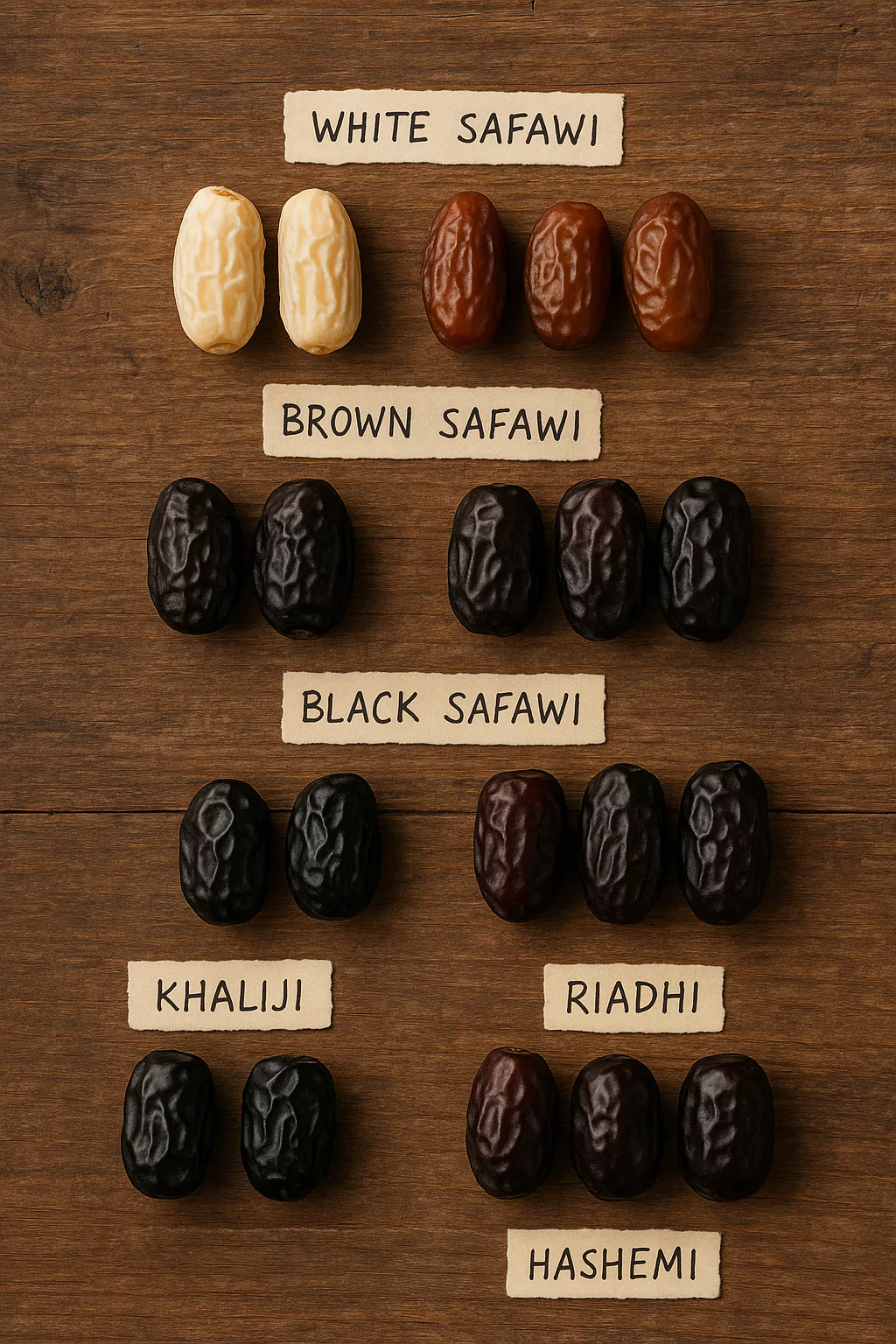
Safawi dates are a premium semi-dry variety of dates cultivated primarily in Al-Madinah al-Munawwarah, Saudi Arabia. They are distinguished by their dark brown to nearly black color, medium to large size, elongated oval shape, and remarkably soft, chewy texture. The flesh is moist yet firm, making them ideal for both direct consumption and culinary applications.
These dates grow on date palm trees (Phoenix dactylifera) in the blessed soil of Madinah, the same region renowned for producing Ajwa dates. However, Safawi dates have their own unique characteristics that make them highly sought after in both local and international markets.
The name “Safawi” (also spelled Sefwi or Safavi in some regions) comes from the Arabic word referring to their pure, clean quality. Historically, these dates have been a staple food source in the Arabian Peninsula for centuries, valued for their exceptional nutritional density, natural sweetness, and ability to sustain energy during long desert journeys and periods of fasting.
What sets Safawi dates apart is their balanced moisture content—not too dry like some varieties, yet not overly sticky. This makes them perfect for eating fresh, stuffing with nuts, adding to desserts, or blending into smoothies. Their mild, pleasant sweetness is accompanied by subtle earthy and caramel-like notes that appeal to a wide range of palates.
Authentic Safawi dates from Madinah typically measure 3-4 cm in length, have wrinkled dark skin, soft interior flesh, and a small pit. They should feel slightly moist to the touch and emit a natural sweet aroma without any fermented or sour smell.
Safawi Dates Nutrition Facts
Understanding the nutritional composition of Safawi dates helps you make informed dietary choices and portion decisions.
Safawi dates are nutritionally dense whole foods packed with natural carbohydrates, dietary fiber, essential minerals, and beneficial plant compounds. Unlike processed sweets, they deliver nutrients alongside their natural sugars, making them a more wholesome choice for satisfying sweet cravings.
A typical 100-gram serving (approximately 8-10 dates depending on size) provides a substantial amount of quick-release and sustained energy, making them particularly valuable for athletes, students, manual laborers, and anyone needing natural fuel throughout the day.
The fiber content in Safawi dates is particularly noteworthy—at roughly 7-8 grams per 100g, they provide about 25-30% of the daily recommended fiber intake. This fiber supports digestive health, promotes satiety, and may help regulate blood sugar absorption when dates are consumed in appropriate portions.
Safawi dates are also an excellent source of potassium (providing more potassium than bananas gram-for-gram), magnesium, copper, manganese, and B-complex vitamins. They contain trace amounts of iron, calcium, zinc, and phosphorus, contributing to overall nutritional diversity in your diet.
While nutritionally rich, Safawi dates are calorie-dense. A single date contains approximately 20-25 calories. Mindful portion control ensures you reap the benefits without excessive calorie or sugar intake.
| Nutrient | Per 100g | % Daily Value* |
|---|---|---|
| Calories | 282 kcal | 14% |
| Carbohydrates | 75g | 25% |
| Natural Sugars | 63-66g | — |
| Dietary Fiber | 7-8g | 28% |
| Protein | 2.5g | 5% |
| Fat | 0.4g | 1% |
| Potassium | 656mg | 19% |
| Magnesium | 54mg | 14% |
| Copper | 0.4mg | 40% |
| Manganese | 0.3mg | 15% |
| Iron | 1.0mg | 6% |
| Vitamin B6 | 0.2mg | 12% |
*Based on a 2,000 calorie diet. Actual values may vary slightly based on harvest conditions, variety grade, and moisture content.
Top 8 Safawi Dates Benefits for Your Health
Research and traditional wisdom converge on the many health-supporting properties of Safawi dates. Here’s what science suggests about their benefits.
Natural Energy Powerhouse
Safawi dates contain a unique combination of glucose, fructose, and sucrose—three natural sugars that provide both immediate and sustained energy release. Unlike refined sugar, these come packaged with fiber and nutrients that help moderate absorption. Athletes often consume dates before workouts for quick fuel, while students use them during study sessions for mental clarity. The natural energy from dates doesn’t cause the sharp crash associated with processed sweets.
Heart Health Support
The impressive potassium content in Safawi dates may help support cardiovascular health by promoting healthy blood pressure levels and proper heart muscle function. Studies suggest that diets rich in potassium and low in sodium are associated with reduced cardiovascular risk. Additionally, dates contain magnesium, which plays a role in maintaining normal heart rhythm. The antioxidants present, including flavonoids and phenolic acids, may help protect heart tissues from oxidative stress. Learn more about dates for heart health.
Digestive System Support
With approximately 7-8 grams of dietary fiber per 100g, Safawi dates are excellent for promoting healthy digestion. The soluble fiber helps feed beneficial gut bacteria, while insoluble fiber adds bulk to stool and supports regular bowel movements. Many people find that consuming 2-3 dates with warm water in the morning may help with occasional constipation. The natural compounds in dates also possess mild prebiotic properties, supporting a healthy gut microbiome—the foundation of overall wellness and immunity.
Bone Strength & Mineral Support
Safawi dates provide essential minerals crucial for bone health, including calcium, phosphorus, magnesium, and manganese. These minerals work synergistically to maintain bone density and strength throughout life. The copper content in dates also plays a role in collagen formation and bone mineralization. Regular consumption of mineral-rich foods like Safawi dates, as part of a balanced diet, may contribute to skeletal health and potentially reduce the risk of osteoporosis in later years.
Rich in Antioxidants
Research indicates that dates contain a diverse array of antioxidant compounds, including flavonoids, carotenoids, and phenolic acid. These compounds help neutralize harmful free radicals in the body, potentially reducing oxidative stress—a factor associated with aging and various chronic conditions. Studies suggest dates have higher antioxidant capacity compared to many other dried fruits. The dark color of Safawi dates is partly due to these beneficial plant compounds. Discover more about antioxidant benefits in dates.
Brain Health & Cognitive Function
Emerging research suggests that dates may support brain health through multiple mechanisms. The antioxidants may help protect brain cells from oxidative damage, while the B vitamins support normal neurological function. Some studies indicate that regular date consumption might be associated with improved markers of brain function and potentially lower risk of neurodegenerative conditions. The natural sugars also provide quick glucose to the brain, supporting concentration and mental performance.
Iron & Blood Health
While not as iron-rich as some animal products, Safawi dates provide a plant-based source of iron that can contribute to meeting daily needs, especially important for those following vegetarian or vegan diets. Iron is essential for producing hemoglobin, the protein in red blood cells that carries oxygen throughout the body. The vitamin C content in dates, though modest, may enhance iron absorption. Some women find dates particularly beneficial during menstruation when iron needs increase. Explore dates benefits for women.
Natural Sweetener Alternative
In an era of artificial sweeteners and refined sugars, Safawi dates offer a whole-food sweetening option that brings nutrients along with sweetness. They can be blended into smoothies, chopped into oatmeal, pureed into date paste for baking, or used to make date molasses. Unlike table sugar, dates provide fiber, minerals, and antioxidants. When used mindfully in recipes, they can help reduce added sugar intake while enhancing flavor complexity and nutritional value. Check out creative uses in desserts with dates.
While these benefits are supported by research and traditional use, it’s important to note that Safawi dates are not a cure or treatment for any disease. They are best viewed as a nutritious component of a balanced, varied diet. Individual responses may vary, and those with specific health conditions should consult healthcare providers before making significant dietary changes.
Are Safawi Dates Safe for Diabetes?
This is one of the most common questions about Safawi dates, and the answer requires nuance. Safawi dates do contain natural sugars and carbohydrates that will affect blood glucose levels. However, they also contain fiber and have a moderate glycemic index (GI) compared to refined sugars and many processed foods.
Research suggests that the glycemic index of dates typically ranges from 35-55, depending on variety and ripeness, which is considered low to moderate. The fiber content helps slow sugar absorption, potentially preventing sharp blood glucose spikes when consumed in appropriate portions.
For people with diabetes, the key considerations are:
- Portion size matters most — Start with just 1 date and monitor your individual blood glucose response
- Pair with protein or fat — Eating dates with nuts, cheese, or other protein/fat sources can help moderate blood sugar impact
- Timing is important — Consuming dates after a balanced meal rather than on an empty stomach may result in better glycemic control
- Individual variation exists — Some people with diabetes tolerate small amounts of dates well, while others experience significant blood sugar elevations
- Monitor consistently — Use a glucometer to understand how dates affect your personal glucose patterns
If you have diabetes, prediabetes, or any blood sugar regulation condition, consult your healthcare provider or registered dietitian before adding dates to your diet. They can help you determine appropriate portions based on your medication regimen, activity level, and individual metabolic response. Never use dates as a substitute for prescribed diabetes medications.
Some studies suggest that consuming dates in moderation may not cause the dramatic blood sugar spikes many expect, particularly when eaten as part of a balanced meal. However, this does not mean dates are “diabetic-friendly” in unlimited quantities. Responsible consumption with medical guidance is essential. Learn more about appropriate daily serving sizes.

If your healthcare provider approves dates in your diet:
- Start with ½ to 1 date maximum
- Eat with a handful of almonds or walnuts
- Choose dates as an occasional treat, not daily staple
- Account for the carbohydrates in your meal planning
- Test blood sugar 1-2 hours after eating to assess impact
- Consider portion control strategies for better management
Frequently Asked Questions About Safawi Dates
Get clear, evidence-based answers to the most common questions about Safawi dates.
Medical Disclaimer: This content is for informational and educational purposes only and does not constitute medical advice, diagnosis, or treatment. The health benefits mentioned are based on research, traditional use, and nutritional composition, but individual results may vary. Safawi dates are not intended to diagnose, treat, cure, or prevent any disease.
If you have diabetes, cardiovascular disease, kidney conditions, digestive disorders, food allergies, or are taking medications, consult a qualified healthcare professional or registered dietitian before adding dates or making significant dietary changes. Pregnant or nursing women should also seek medical guidance.
📚 Sources & References
- USDA FoodData Central – Dates nutritional information. https://fdc.nal.usda.gov/
- National Center for Biotechnology Information (NCBI) – Nutritional and functional properties of dates. NCBI Research
- Healthline – 8 Proven Health Benefits of Dates. Healthline
- WebMD – Health Benefits of Dates. WebMD