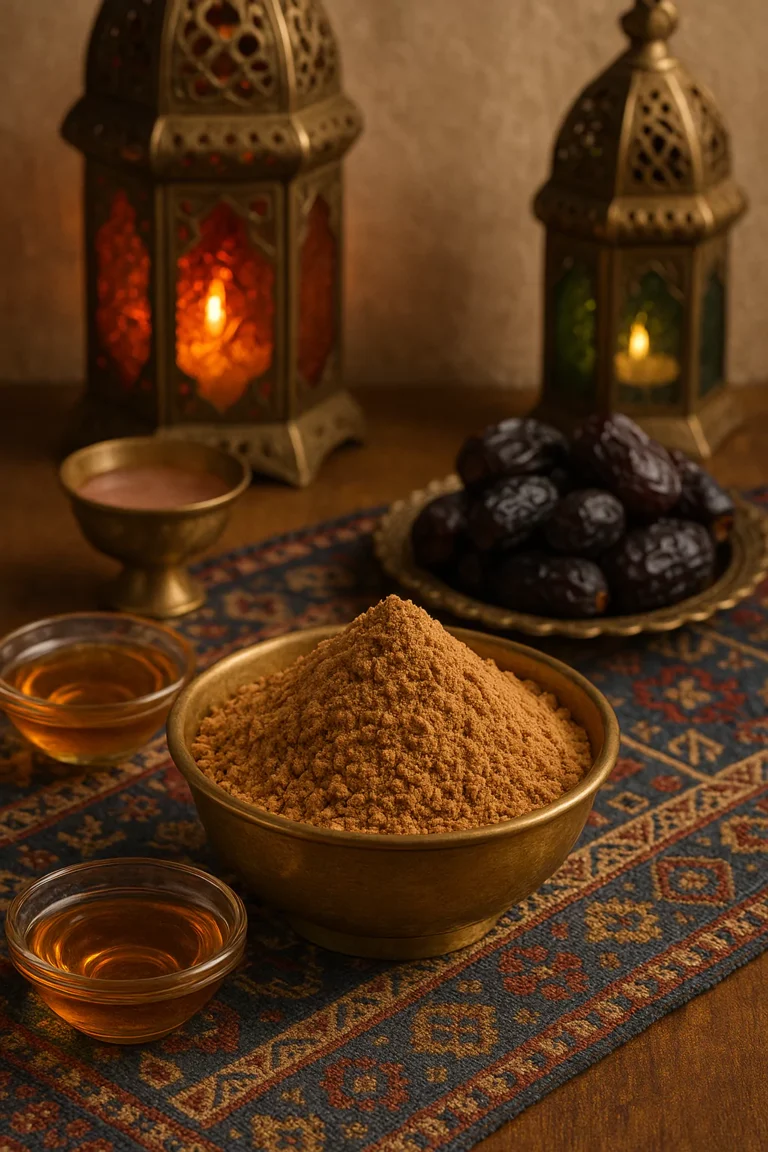
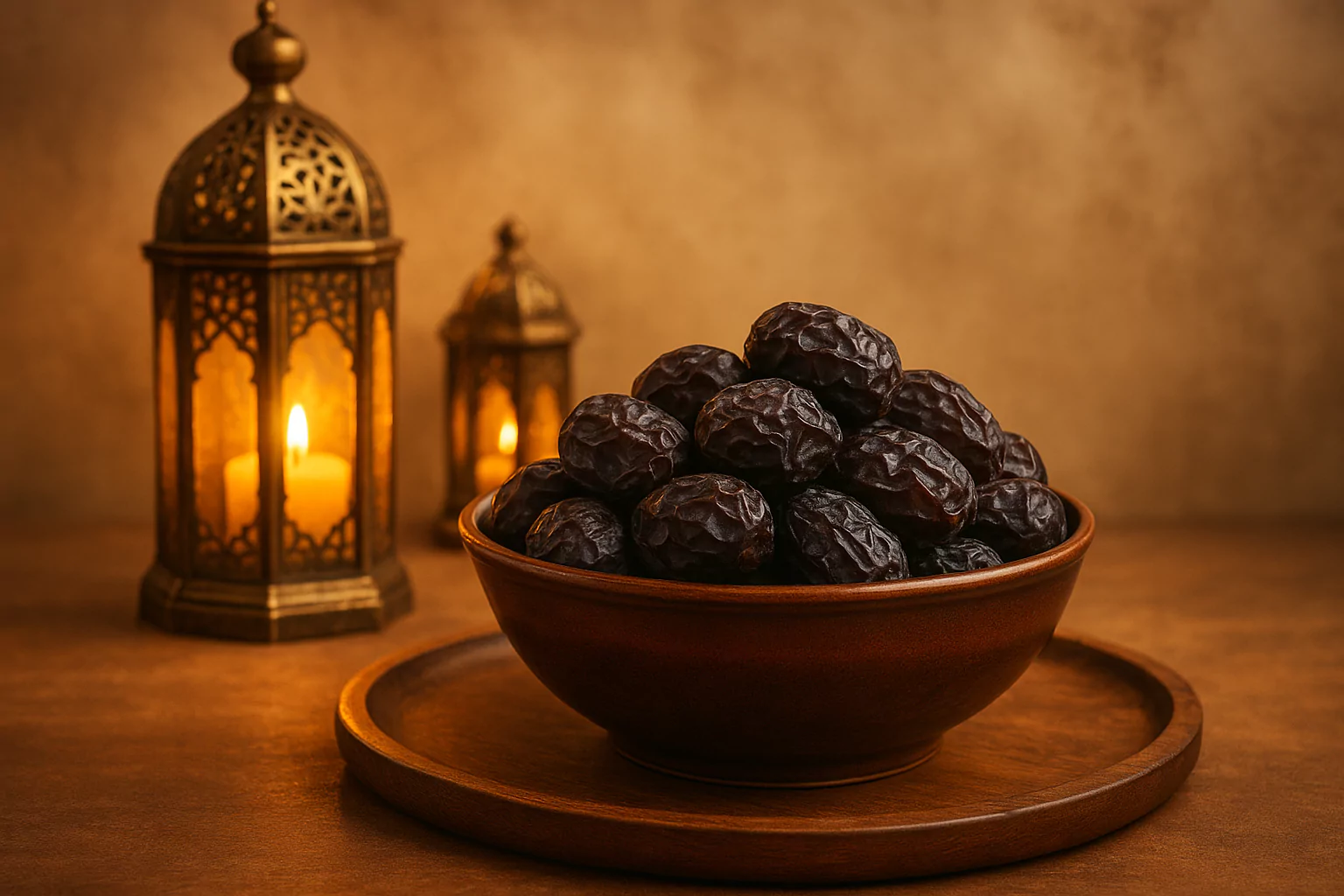
Dates in Ramadan: Iftar, Suhoor Benefits & Sunnah
Every Ramadan, dates take center stage at Iftar tables across the Muslim world. Breaking the fast with a date and a sip of water is one of the most widely observed Sunnah practices, followed by families for generations as a gentle way to restore energy after a full day of fasting.
This guide explores why dates are so closely tied to Ramadan, the Sunnah behind the practice, how many to eat, the best varieties to keep on hand, and practical tips for including dates at both Iftar and Suhoor throughout the month.
Key Takeaways
- Breaking the fast with dates follows a well-established Sunnah practice observed across the Muslim world.
- A common approach is eating 1 to 3 dates at Iftar, followed by water, before the main meal.
- Dates provide fast-acting natural sugar and fiber, which may help gently restore energy after fasting.
- Ajwa, Medjool, and Sukkari dates are among the most popular choices for Ramadan due to their soft texture and rich flavor.
- Those with diabetes should monitor portions carefully, since fasting itself can also affect blood sugar levels.
Why Dates Are the Perfect Ramadan Food
Dates are uniquely suited to Ramadan for a few practical reasons. They’re naturally sweet, easy to digest, and provide a quick source of energy at exactly the moment the body needs it most — right after a full day without food or water. Their soft texture also makes them gentle on a stomach that has been empty for hours, unlike heavier or richer foods.
Beyond the practical benefits, dates carry deep symbolic and religious meaning during Ramadan, connecting the act of breaking the fast to a tradition observed for centuries. For the broader religious context behind this practice, see our comprehensive guide to dates in Islam.
The Sunnah of Breaking Fast with Dates
Breaking the fast with dates is one of the most consistently observed Sunnah practices during Ramadan, followed by Muslims around the world at the moment of Maghrib prayer. Tradition often references eating dates in odd numbers, commonly three, followed by a few sips of water, before continuing with the rest of the Iftar meal.
Ajwa dates hold particular significance in this practice due to their specific mention in Hadith. If you’d like to explore this connection further, our page on Ajwa dates in Islam covers the relevant Hadith and religious context in detail.
Dates for Iftar: Nutrition & Benefits
From a nutritional standpoint, dates offer a practical way to begin restoring energy after fasting. Their natural sugars — glucose and fructose — are quickly available for the body to use, while their fiber content may help ease the digestive system back into activity more gently than a large, heavy meal would.
Dates also provide potassium, magnesium, and small amounts of iron, nutrients that support hydration and muscle function, both of which can be affected by a day of fasting, especially in warmer climates.
Quick Reference: Dates for Ramadan
Iftar portion: 1–3 dates | Pair with: Water | Popular varieties: Ajwa, Medjool, Sukkari | Suhoor use: Small portion for sustained energy
How Many Dates Should You Eat for Iftar?
A widely followed approach is eating 1 to 3 dates to break the fast, often in an odd number as referenced in tradition, followed by water before the main meal begins. This modest portion is generally considered sufficient to gently restore blood sugar without overwhelming a stomach that has been empty all day. For broader daily portion guidance beyond just Iftar, see our page on how many Ajwa dates should you eat daily.
Dates for Suhoor: Benefits & Best Practices
While dates are most closely associated with Iftar, some people also include a small portion during Suhoor, the pre-dawn meal eaten before the fast begins. The fiber and slow-digesting nature of whole dates may help support sustained energy through the early hours of fasting, though dates should ideally be balanced with protein, healthy fats, and other whole foods at Suhoor rather than eaten alone, since a purely carbohydrate-heavy meal may lead to hunger returning sooner.
Best Date Varieties for Ramadan
While any date variety can be used to break the fast, some are more commonly chosen for Ramadan due to tradition, texture, and availability.
| Variety | Why It’s Popular for Ramadan |
|---|---|
| Ajwa Dates | Direct Hadith reference; traditional first choice for breaking the fast |
| Medjool Dates | Large, soft, and rich — popular for a satisfying Iftar treat |
| Sukkari Dates | Very sweet and soft, widely loved across Saudi Arabia |
| Kalmi Dates | Affordable, firm option for households breaking fast daily throughout the month |
Dates and Blood Sugar During Ramadan
For individuals managing diabetes, Ramadan fasting itself can already affect blood sugar levels, and breaking the fast with concentrated natural sugar from dates adds another factor to monitor. Small, controlled portions — generally 1 to 2 dates — combined with regular blood glucose checks are commonly recommended. Our detailed guide on Ajwa dates for diabetes covers glycemic index and safe intake in more depth, and anyone with diabetes should consult their doctor before and during Ramadan fasting.
Simple Iftar Recipes with Dates
Beyond eating dates plain, many families incorporate them into simple Iftar treats. Try classic stuffed dates with nuts, or explore our full collection of desserts with dates for more Ramadan-friendly ideas that come together quickly after a long day of fasting.
Buying Dates in Bulk for Ramadan
Since dates are consumed daily throughout the month, many households choose to buy in larger quantities ahead of Ramadan. If you’re planning ahead, our updated Ajwa dates price 2025 guide can help you budget and compare pricing before demand increases closer to the start of the month.
Frequently Asked Questions
Why do Muslims break their fast with dates?
Breaking the fast with dates follows the Sunnah of the Prophet Muhammad (peace be upon him) and is believed to offer a gentle, quick source of energy after a full day without food or drink.
How many dates should you eat for Iftar?
A common practice is eating 1 to 3 dates to break the fast, often followed by water, before moving on to the main Iftar meal. This portion is generally considered gentle on the stomach after a day of fasting.
What is the best time to eat dates during Ramadan?
Dates are traditionally eaten immediately at the moment of breaking the fast (Iftar), and some people also include a small portion during Suhoor, the pre-dawn meal, for sustained energy.
Are dates good for Suhoor?
Dates can be included in Suhoor in moderate amounts, offering fiber and slow-releasing natural sugars that may help sustain energy through the fasting day, though they should be balanced with protein and other whole foods.
Which dates are best for Ramadan?
Ajwa dates are the most traditionally significant choice due to their Hadith reference, but Medjool, Sukkari, and other soft varieties are also popular for Iftar due to their rich flavor and easy digestibility.
Can diabetics eat dates during Ramadan fasting?
Diabetics observing Ramadan should eat dates in small, controlled portions and monitor their blood sugar closely, ideally under the guidance of a healthcare provider, since fasting itself can also affect blood glucose levels.
Why are dates recommended after a full day of fasting?
Dates provide readily available natural sugars along with fiber, which may help gently restore blood sugar and energy levels after an extended period without food, without overwhelming the digestive system.
How many dates does the Sunnah recommend?
While an odd number of dates, often three, is commonly referenced in tradition for breaking the fast, exact recommendations can vary by source and scholarly interpretation.
Can you eat dates on an empty stomach during Ramadan?
Yes, eating dates to break the fast is essentially eating on an empty stomach after a day of fasting, which is part of why gentle, easily digestible dates are traditionally recommended at that moment.
Do dates help with hydration after fasting?
Dates themselves are not a significant source of hydration, but they are traditionally paired with water immediately at Iftar, which together may help the body rehydrate and restore energy gradually.
Sources & References
- Sunnah.com — Hadith collections referencing breaking the fast with dates
- IslamWeb — Articles on the etiquette of breaking the fast in Ramadan
- National Center for Biotechnology Information (NCBI) — Nutritional research on date fruit
- Healthline — Dates: Nutrition, Benefits, and How to Eat Them
- American Diabetes Association — Guidance on fasting and blood sugar management

John A. Kareem is a natural wellness writer and researcher passionate about Ajwa dates and traditional Arabian foods.
At Ajwa Dates, he shares evidence-based, easy-to-read content that helps readers discover the real health benefits of dates and other natural ingredients.
His goal is to promote healthy living through authentic, time-tested knowledge.