
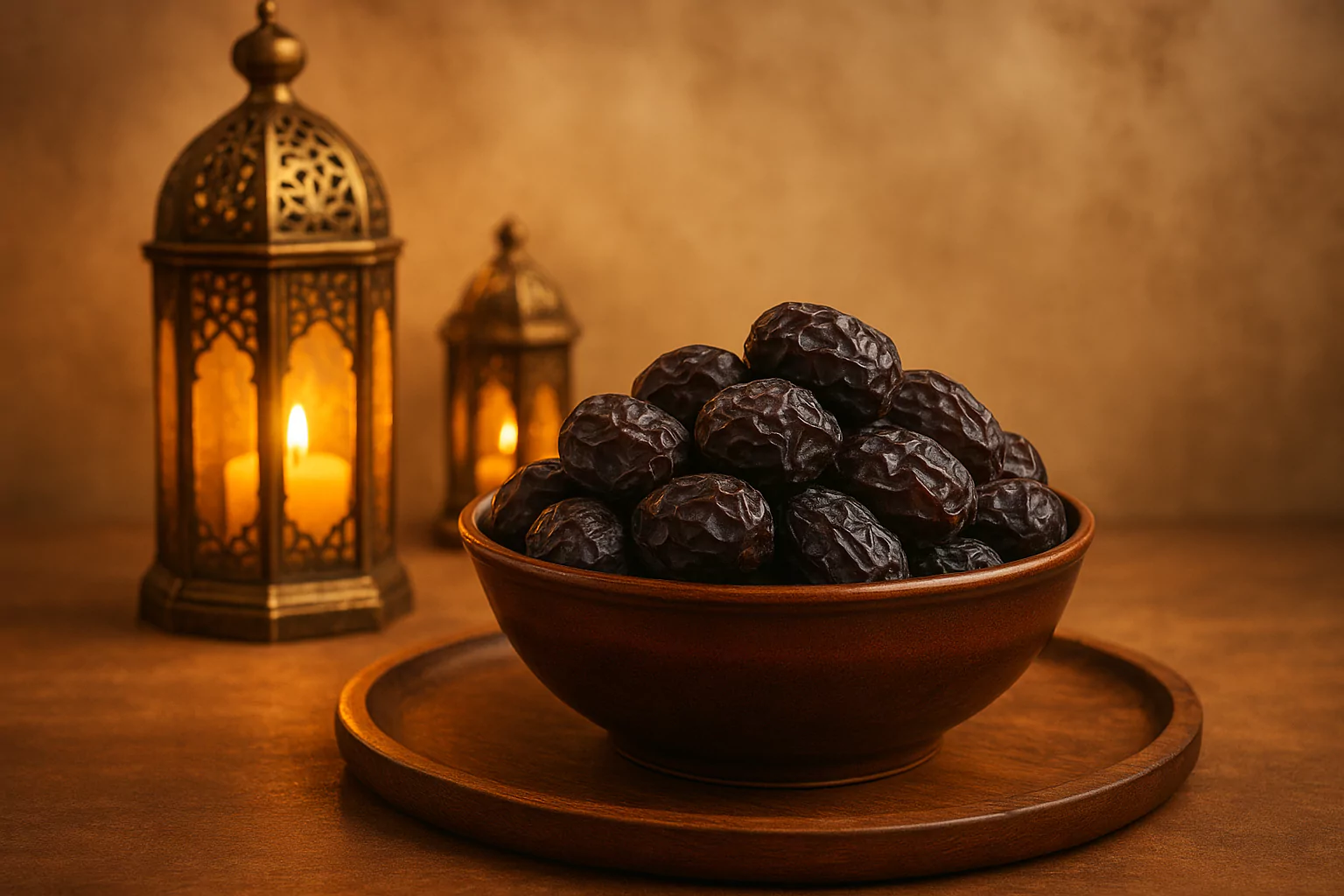
Ajwa Dates: The Complete Guide to Madinah’s Most Sacred Date
Ajwa dates are among the most premium and revered dates in the world. Grown exclusively in Madinah, Saudi Arabia, they are celebrated for their unique caramel-like taste, soft texture, exceptional nutritional profile, and deep spiritual significance in Islam. This comprehensive guide covers everything you need to know about Ajwa dates — from their rich history and appearance to detailed nutrition facts, 15 proven health benefits, types, current prices, storage tips, and how to identify authentic Ajwa from counterfeit products.
Whether you’re a long-time Ajwa lover or discovering these remarkable dates for the first time, you’ll find science-backed information, practical buying advice, and expert recommendations all in one place.
📌 Key Takeaways
- Origin: Ajwa dates are grown exclusively in Madinah, Saudi Arabia — no other region produces authentic Ajwa.
- Sunnah practice: The Prophet Muhammad ﷺ recommended eating 7 Ajwa dates each morning for protection (Sahih al-Bukhari 5445).
- Nutrient-rich: High in potassium, fiber, iron, antioxidants, and natural energy — with only ~23 calories per date.
- Heart & digestion: Research suggests Ajwa dates may support cardiovascular health, improve digestion, and reduce inflammation.
- Premium pricing: Expect to pay $15–$40/kg in 2026, with Ajwa Aliyah commanding the highest prices.
What Are Ajwa Dates?
Ajwa dates (Arabic: عجوة) are a specific cultivar of the date palm (Phoenix dactylifera) that has been cultivated in the Madinah region of Saudi Arabia for over 1,400 years. Unlike many other types of dates that are grown in multiple countries, Ajwa dates are geographically exclusive to Madinah — this is one of the key factors that makes them so unique and sought after worldwide. Their name “Ajwa” literally means “dates” in classical Arabic, though it has come to refer specifically to this premium Madinah variety.
What sets Ajwa dates apart from other date varieties is their combination of characteristics: they are relatively small in size, dark brown to nearly black in color, and have a distinctive mild sweetness with subtle notes of caramel and a hint of prune-like richness. The texture is soft yet slightly firm, creating a satisfying chew. Each Ajwa date contains a remarkably dense nutritional profile, packing fiber, potassium, magnesium, iron, calcium, and powerful antioxidants into a small, naturally sweet package.
Quick Facts About Ajwa Dates:
- Scientific Name: Phoenix dactylifera (Ajwa cultivar)
- Origin: Madinah, Saudi Arabia — exclusively
- Size: Small to medium, round to oval
- Color: Dark brown to black with fine natural wrinkles
- Taste: Mildly sweet, caramel-like with prune undertones
- Texture: Soft but slightly firm — not mushy
- Harvest Season: July to August each year
- Shelf Life: 6–12 months (refrigerated), up to 2 years (frozen)
- Price Range: Premium ($15–$40/kg) due to limited supply
- Islamic Significance: Specifically mentioned in multiple authentic Hadith
Prophet Muhammad ﷺ said:
“Whoever eats seven Ajwa dates in the morning will be protected from poison and magic on that day.”
— Sahih al-Bukhari (Hadith 5445)
Beyond their remarkable taste and nutritional value, Ajwa dates hold a position of deep spiritual importance for Muslims around the world. They are one of the few foods specifically recommended by the Prophet Muhammad ﷺ by name, and consuming them is considered a Sunnah — a practice that combines physical nourishment with spiritual devotion. To learn more about the full spectrum of health benefits of Ajwa dates, explore our detailed guide.
History & Origin of Ajwa Dates
The history of Ajwa dates is deeply intertwined with the history of Madinah itself. According to Islamic tradition, the Prophet Muhammad ﷺ personally planted Ajwa date palms in the Al-Aliyah district of Madinah, and this specific variety has been cultivated in the region continuously for over fourteen centuries. This makes Ajwa dates not just a food but a living connection to early Islamic history and the prophetic tradition.
Madinah’s unique climate — characterized by hot, arid summers, mild winters, and specific soil mineral composition — creates ideal growing conditions that cannot be fully replicated elsewhere. The date palms of Madinah benefit from underground water sources and the particular geology of the Hejaz region, which contributes to the distinctive nutritional profile and taste that genuine Ajwa dates are known for. While some sellers market dates from other regions as “Ajwa,” true connoisseurs and scholars agree that authentic Ajwa dates must come from Madinah to carry their full culinary, nutritional, and spiritual qualities.
The cultivation of Ajwa dates remains largely traditional. Most Ajwa farms in Madinah are family-owned operations that have been passed down through generations. The trees are hand-pollinated, and the dates are carefully hand-harvested during the brief summer season. This artisanal approach limits annual production and is a primary reason why Ajwa dates command premium prices in the global market. For a deeper exploration of their significance in Islamic tradition, visit our dedicated article.

Appearance, Taste & Texture of Ajwa Dates
Understanding what Ajwa dates look and taste like is essential for identifying authentic products and appreciating what makes them different from the hundreds of other date varieties available worldwide. Ajwa dates have a set of distinctive physical characteristics that set them apart from popular alternatives like Medjool dates or Sukkari dates.
Visual Appearance
Ajwa dates are noticeably smaller than many other premium varieties — typically measuring 2–3 cm in length and weighing between 8–12 grams each. Their color ranges from deep chocolate brown to almost black, with a semi-dry exterior that shows fine, natural wrinkles. Unlike Kimia dates, which tend to be glossy and sticky, Ajwa dates have a more matte, understated appearance. The skin should never appear artificially shiny or uniformly colored — natural variation is a sign of authenticity.
Taste Profile
The flavor of Ajwa dates is often described as mildly sweet with complex undertones. You’ll notice a gentle caramel sweetness on first bite, followed by subtle notes of dried fruit and a hint of prune-like richness. The sweetness is significantly less intense than Medjool dates, which tends to appeal to people who prefer less sugary flavors. Many people also detect a faint, pleasant earthiness that reflects the unique terroir of Madinah’s soil and climate.
Texture
When you bite into a fresh Ajwa date, you’ll experience a soft, almost creamy interior wrapped in a slightly firmer skin. The texture is neither mushy nor hard — it has a satisfying, pleasant chew. High-quality Ajwa dates should feel slightly moist without being wet or sticky. If an Ajwa date is excessively dry, hard, or overly sticky, it may be old, improperly stored, or not authentic.
Spiritual Importance of Ajwa Dates in Islam
Beyond their nutritional benefits, Ajwa dates hold a unique and deeply honored spiritual status in Islam that no other food fully shares. They are one of the very few foods specifically recommended by the Prophet Muhammad ﷺ by name, and their consumption is considered an act of Sunnah — a practice that unites physical nourishment with spiritual devotion and divine protection.
The most well-known Hadith about Ajwa dates is recorded in Sahih al-Bukhari, the most authenticated collection of prophetic traditions:
قال رسول الله ﷺ:
“من تصبح بسبع تمرات من عجوة لم يضره ذلك اليوم سم ولا سحر”
(رواه البخاري ٥٤٤٥)
“Whoever eats seven Ajwa dates in the morning, neither poison nor magic will harm him that day.”
— Sahih al-Bukhari (Hadith 5445)
Islamic scholars throughout history have explained that this virtue is specifically linked to Ajwa dates from Madinah — not just any type of date. The renowned scholar Ibn Hajar al-Asqalani, in his commentary on Sahih al-Bukhari, confirmed that the blessing is particular to Ajwa dates from the Al-Aliyah district of Madinah. For many Muslims, beginning each morning with seven Ajwa dates is not only a health habit but an act of faith that follows the prophetic example and seeks both physical well-being and spiritual protection. You can explore more about Ajwa dates in Islam and soaking Ajwa dates in milk for traditional morning practices.
Ajwa Dates Nutrition Facts — Detailed Breakdown (Per 100g)
The nutritional profile of Ajwa dates is one of the key reasons they are considered a superfood. Each date is a concentrated source of essential vitamins, minerals, and plant compounds. The table below provides a comprehensive breakdown based on available food science research. Note that nutritional values may vary slightly depending on size, ripeness, growing season, and storage conditions.
| Nutrient | Amount (per 100g) | Health Significance |
|---|---|---|
| Calories | 277–350 kcal | Provides sustained natural energy throughout the day |
| Carbohydrates | 74–75g | Primary energy source; includes natural sugars and complex carbs |
| Natural Sugars | 63–66g | Glucose, fructose, and sucrose for quick and sustained energy |
| Dietary Fiber | 6.7–8g | Supports healthy digestion, gut microbiome, and satiety |
| Protein | 1.8–2.5g | Contributes to muscle maintenance and cellular repair |
| Fat | 0.2–0.6g | Negligible fat content — naturally heart-safe |
| Potassium | 696–875mg | Regulates blood pressure, supports heart rhythm |
| Magnesium | 43–54mg | Supports muscle function, nerve health, and sleep quality |
| Calcium | 50–64mg | Strengthens bones and teeth; important for women’s health |
| Iron | 0.9–1.5mg | Essential for red blood cell production; helps prevent anemia |
| Phosphorus | 40–62mg | Works with calcium for bone health; supports energy metabolism |
| Vitamin B6 | 0.2mg | Supports brain function and mood regulation |
| Antioxidants (Flavonoids) | High | Protects cells from oxidative damage; may reduce disease risk |
| Phenolic Compounds | High | Anti-inflammatory properties; supports immune function |
Tip: One Ajwa date (~8–10g) has roughly 22–35 calories. Seven dates (one Sunnah serving) = approximately 154–175 calories.
15 Health Benefits of Ajwa Dates — Backed by Science
Ajwa dates are often described as a “complete natural food” because they deliver energy, essential minerals, and protective antioxidants in every bite. The following benefits are supported by nutritional research, though individual results may vary. Here is a detailed look at the key benefits of Ajwa dates that make them valuable for daily health.
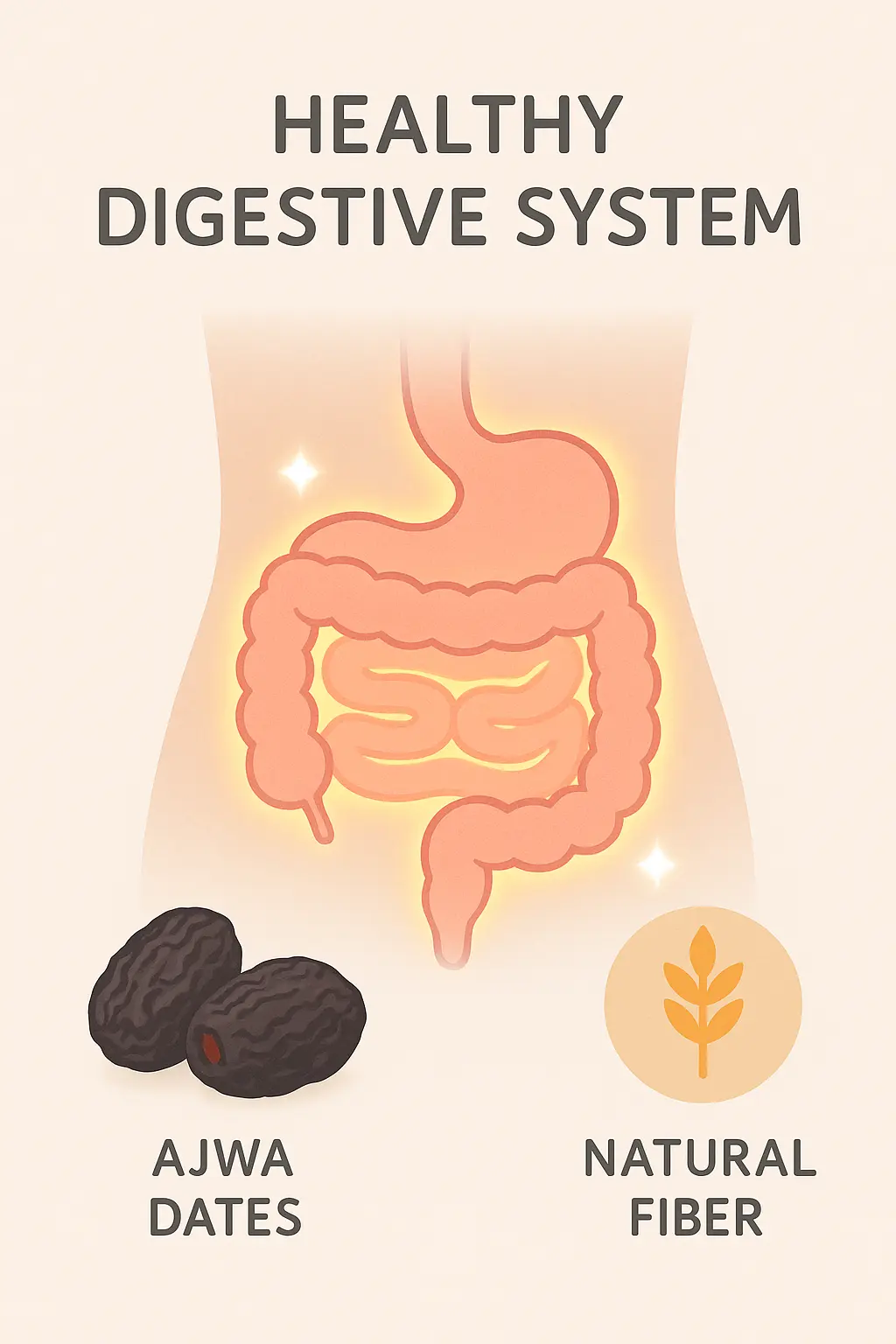
1. Rich in Fiber for Better Digestion
Ajwa dates are an excellent source of soluble and insoluble fiber, providing approximately 6.7–8 grams per 100g serving. This fiber supports smooth bowel movements, helps prevent constipation, and feeds beneficial gut bacteria. Regular fiber intake from natural sources like Ajwa dates keeps the digestive tract healthy, improves nutrient absorption, and supports overall gastrointestinal balance — making them an ideal daily snack for digestive wellness.

2. Packed with Essential Minerals
Ajwa dates contain a remarkable concentration of essential minerals including potassium (696–875mg/100g), magnesium, iron, calcium, and phosphorus. Potassium is critical for heart health and blood pressure regulation, magnesium supports over 300 enzymatic reactions in the body, calcium strengthens bones, and iron plays a key role in oxygen transport through the bloodstream. This mineral density is what makes Ajwa dates nutritionally superior to many common snack foods.

3. Powerful Antioxidants for Immunity
Research published in the Journal of Ethnopharmacology has shown that Ajwa dates contain significantly higher levels of antioxidants — including flavonoids, carotenoids, and phenolic acids — compared to many other date varieties. These antioxidants fight free radicals that damage cells and contribute to aging, inflammation, and chronic disease. Regular consumption of antioxidant-rich foods like Ajwa dates may strengthen your immune system and protect against oxidative stress.

4. Natural and Long-Lasting Energy
Unlike processed energy bars or sugary snacks, Ajwa dates provide natural sugars — glucose, fructose, and sucrose — combined with fiber, which ensures steady energy release without the sugar crash. This makes Ajwa dates an ideal pre-workout snack, a mid-afternoon energy booster, or a nutritious way to break your fast during Ramadan. Athletes and fitness enthusiasts frequently choose dates for their balanced, natural energy profile.

5. Supports Healthy Weight Management
Ajwa dates may help with weight management when consumed in moderation as part of a balanced diet. Their high fiber content creates a feeling of fullness and satiety, which naturally reduces the urge for unnecessary snacking. By replacing processed sugary snacks with 2–3 Ajwa dates, you satisfy sweet cravings while consuming far more nutritional value and fewer empty calories.

6. Helps Prevent Iron-Deficiency Anemia
Iron deficiency is one of the most common nutritional deficiencies worldwide, particularly affecting women and children. Ajwa dates naturally contain iron (0.9–1.5mg per 100g), which supports healthy red blood cell production and adequate hemoglobin levels. Regular consumption of iron-rich foods like Ajwa dates, combined with vitamin C sources for better absorption, may help reduce fatigue and weakness associated with anemia.
7. May Support Heart Health ❤️
Studies suggest that the potassium and magnesium content in Ajwa dates may help regulate blood pressure, support healthy heart rhythm, and reduce the risk of cardiovascular complications. Research in the Journal of Ethnopharmacology found cardioprotective compounds in Ajwa date extracts. Learn more about Ajwa dates for heart health.
8. Anti-Inflammatory Properties 🛡️
Ajwa dates contain phenolic compounds and flavonoids that have demonstrated anti-inflammatory effects in laboratory studies. Chronic inflammation is linked to numerous health conditions including arthritis, heart disease, and metabolic disorders. Including anti-inflammatory foods like Ajwa dates in your diet may contribute to reducing systemic inflammation over time.
9. May Support Bone Health 🦴
The combination of calcium (50–64mg/100g), phosphorus, and magnesium in Ajwa dates makes them a valuable food for bone health. These minerals work synergistically to maintain bone density and may help reduce the risk of osteoporosis, particularly important for postmenopausal women and older adults.
10. Supports Brain Function 🧠
Ajwa dates contain Vitamin B6 and antioxidants that may support cognitive function, memory, and focus. Some research suggests that the anti-inflammatory compounds in dates could help protect nerve cells from oxidative damage, potentially supporting brain health as we age.
11. Pregnancy & Fertility Support 🤰
A study published in the Journal of Obstetrics and Gynaecology found that women who consumed dates in the final weeks of pregnancy experienced easier labor and reduced need for induction. Ajwa dates provide iron, folate, and natural sugars important for maternal health. Read our guide on Ajwa dates for pregnancy.
12. Benefits for Men’s Health 💪
Ajwa dates may support men’s health through their zinc content, energy-boosting natural sugars, and amino acids that support stamina and vitality. Some traditional medicine practitioners recommend dates for male reproductive health, though more clinical research is needed. Explore our article on Ajwa dates for men.
13. Natural Sweetener Alternative 🍯
Ajwa dates and products like date paste, date molasses, and date sugar serve as excellent natural alternatives to refined sugar. They provide sweetness along with fiber and minerals, making them a healthier option for baking, cooking, and sweetening beverages without the empty calories of processed sugar.
14. May Support Liver Function 🫀
Preliminary research suggests that compounds found in Ajwa dates and their seeds may have hepatoprotective (liver-protecting) properties. Ajwa seed powder has been studied for its potential to support liver health and protect liver cells from toxin-induced damage, though more human studies are needed to confirm these effects.
15. Promotes Better Skin Health ✨
The combination of vitamins B and C, along with the high antioxidant content of Ajwa dates, may contribute to healthier skin by fighting oxidative stress and supporting collagen production. Some studies suggest that regular consumption of antioxidant-rich fruits like dates can improve skin elasticity and reduce the visible signs of aging over time.
Types of Ajwa Dates: Aliyah vs. Regular
Not all Ajwa dates are equal. Within the Ajwa category, there are important distinctions based on the specific growing area within Madinah, the grade of the harvest, and the handling practices of the farm. Understanding these differences helps you make informed purchasing decisions and ensures you get the quality and spiritual significance you’re looking for.
Ajwa Aliyah (Premium Grade)
Ajwa Aliyah dates come from the Al-Aliyah district of Madinah — the specific area believed to be where the Prophet Muhammad ﷺ originally planted Ajwa date palms. These are considered the most authentic and highest-quality Ajwa dates available. Ajwa Aliyah are typically darker in color, softer in texture, richer in flavor, and contain higher concentrations of antioxidants compared to regular Ajwa. They are the most expensive variety and are often sold out quickly during harvest season due to extremely limited production and overwhelming demand from buyers worldwide.
Regular Ajwa (Standard Grade)
Regular Ajwa dates are grown in other areas of Madinah outside the Al-Aliyah district. They are still 100% authentic Madinah Ajwa dates and carry the same general nutritional profile and spiritual significance mentioned in Hadith literature. However, they may be slightly lighter in color, firmer in texture, and less intensely flavored than the Aliyah variety. Regular Ajwa dates are more widely available, more affordable, and represent excellent value for daily consumption. For most people, regular-grade Ajwa dates are an outstanding choice that delivers the full benefits of this sacred fruit.
Date Nutrition Calculator
Select a date variety and enter how many dates you eat to see estimated nutritional values instantly. This tool works for Ajwa, Medjool, Safawi, Sukkari, Kimia, and more.
*Nutrition values are estimates based on average date sizes and may vary depending on freshness, size, and variety.

Use this calculator to track your daily date intake and understand the nutritional value you’re consuming.
How to Identify Real vs. Fake Ajwa Dates
With growing global demand for Ajwa dates, counterfeit products have unfortunately become common in the market. Some sellers relabel lower-grade dates or dates from other regions as “Ajwa” to charge premium prices. Knowing how to distinguish authentic Ajwa from imitations protects both your health and your wallet. Here are the key signs to look for when buying Ajwa dates:
Signs of Authentic Ajwa
- Origin Label: Must clearly state “Madinah, Saudi Arabia” or “Al-Madinah Al-Munawwarah”
- Color: Dark brown to nearly black with natural, subtle color variations
- Texture: Slightly dry exterior with a soft, moist interior
- Wrinkles: Fine, natural wrinkles — not smooth or artificially polished
- Sweetness: Mild and balanced — never overwhelmingly sugary
- Size: Small to medium (2–3 cm) — significantly smaller than Medjool
Red Flags — Signs of Fake Ajwa
- Avoid: Excessively shiny or glossy appearance (may indicate oil coating or artificial treatment)
- Avoid: Overly sticky or wet texture (may indicate added sugar syrup)
- Avoid: Chemical or artificial smell instead of natural date fragrance
- Avoid: Suspiciously low prices ($5–8/kg) — genuine Ajwa cannot be produced this cheaply
- Avoid: No origin certification or vague labeling like “Arabian dates”
How to Eat Ajwa Dates — Best Practices
Ajwa dates are incredibly versatile and can be enjoyed in many different ways throughout the day. Whether you eat them plain as a wholesome snack, blend them into smoothies, or incorporate them into recipes, they add both nutrition and natural sweetness to your diet. Here are the most popular and recommended ways to consume Ajwa dates, along with guidance on how many Ajwa dates you should eat daily.
Morning (Recommended)
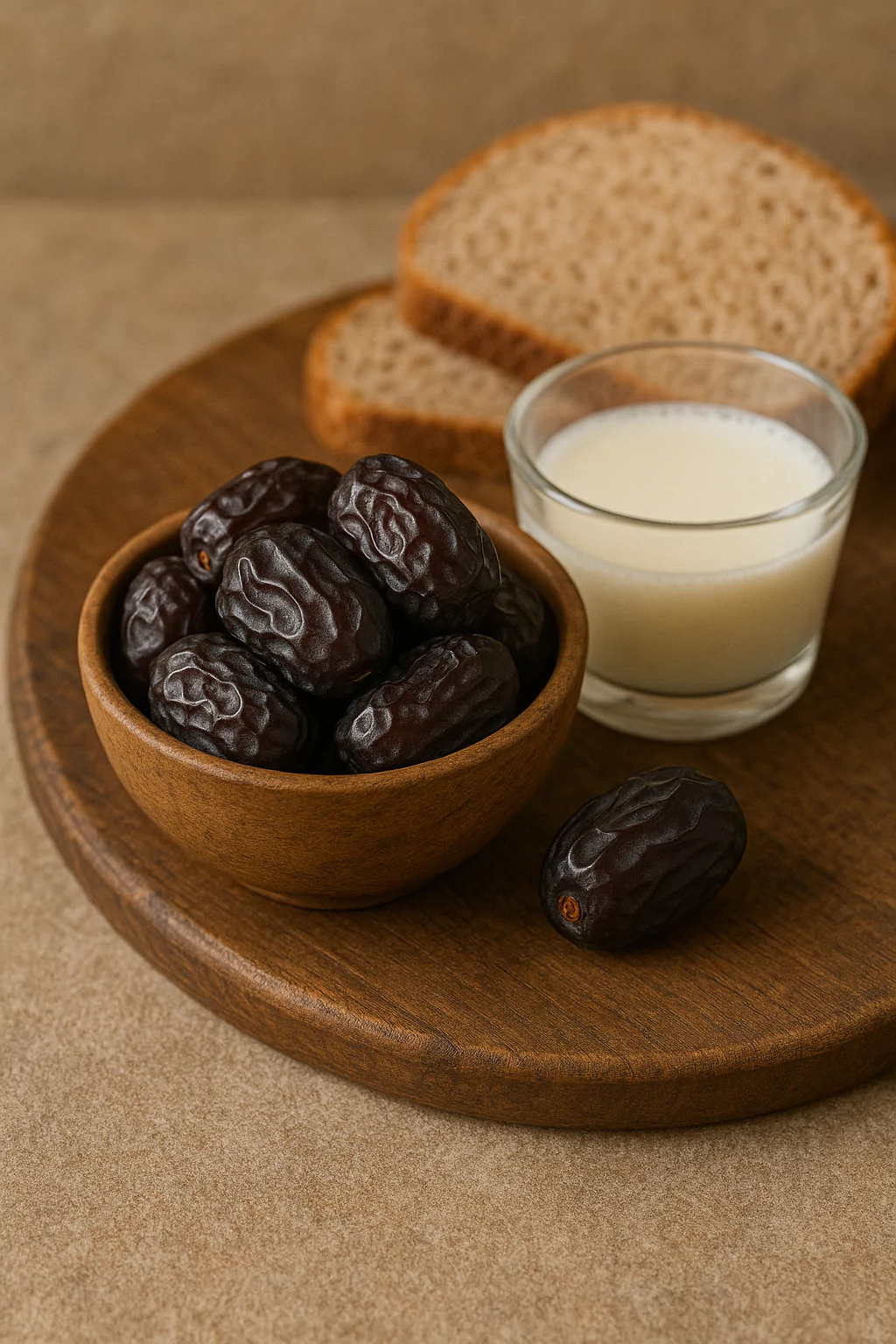
Eating 7 Ajwa dates on an empty stomach is the most recommended practice, following the Sunnah of the Prophet ﷺ. From a nutritional perspective, consuming dates in the morning provides immediate natural energy, jumpstarts digestion, and keeps you feeling full longer. Many people pair their morning Ajwa dates with warm water, cold milk, or plain yogurt for enhanced absorption of nutrients.
As a Snack
2–4 Ajwa dates between meals make an excellent natural snack that curbs hunger without the sugar crash associated with processed foods. They pair beautifully with almonds, walnuts, or a tablespoon of natural peanut butter for a balanced snack that provides protein, healthy fats, and complex carbohydrates.
In Recipes
Ajwa dates work wonderfully in desserts, no-bake date balls, stuffed dates, smoothies, and traditional Saudi desserts. They can also be blended into date paste for baking or used as a natural sweetener in oatmeal, breakfast bowls, and homemade granola bars.
How to Store Ajwa Dates Properly
Proper storage is essential to preserve the flavor, texture, and nutritional value of your Ajwa dates. Because Ajwa dates are a natural product without artificial preservatives, they require appropriate temperature and humidity conditions to maintain their premium quality. Follow these storage guidelines to ensure your dates stay fresh and delicious for as long as possible.
Room Temperature
Store in an airtight container in a cool, dry, dark place. Suitable for 1–2 months. Keep away from direct sunlight, heat sources, and moisture. Ideal temperature: 18–22°C (65–72°F).
Refrigerated
Seal in an airtight container or resealable bag and refrigerate. Maintains freshness for 6–12 months. This is the recommended method for most households. Let dates reach room temperature before eating for best flavor.
Frozen
For long-term storage of up to 2 years, freeze Ajwa dates in an airtight container. They retain most of their nutritional value and flavor when properly frozen. Thaw gradually in the refrigerator before consuming.
Ajwa Dates Price Guide — 2026
Understanding the pricing of Ajwa dates helps you make informed purchases and avoid overpaying or buying counterfeit products. Prices vary significantly based on grade, origin district, season, and seller. Below is a general pricing overview for 2026 based on market research. For a complete and regularly updated breakdown, visit our Ajwa dates price 2026 guide.
Regular Ajwa from Madinah. Good quality for daily consumption. Slightly firmer texture and lighter color.
High-quality Ajwa with excellent taste, soft texture, and verified Madinah origin. Most popular choice.
Rare, top-tier Ajwa from the Al-Aliyah district. Darkest, softest, richest flavor. Limited availability.
Where to Buy Authentic Ajwa Dates Online
Buying authentic Ajwa dates online requires careful evaluation of the seller’s credibility, origin documentation, and customer reviews. With the rise of counterfeit products, it’s more important than ever to verify authenticity before making a purchase. Whether you’re buying for personal consumption, gifting during Ramadan, or stocking up for the year, here are the key criteria to evaluate when choosing a seller:
- Origin Certification: Look for clear documentation confirming the dates are from Madinah, Saudi Arabia
- Transparent Sourcing: Trustworthy sellers provide information about their farms, harvest dates, and supply chain
- Customer Reviews: Check for verified reviews that mention taste, freshness, and packaging quality
- Proper Packaging: Authentic sellers use food-grade, airtight packaging that preserves freshness during shipping
- Reasonable Pricing: Beware of prices significantly below $15/kg — genuine Ajwa cannot be produced at such low costs
- Return Policy: Reputable sellers offer satisfaction guarantees or return policies for quality issues
Explore our curated list of popular date products for trusted options and recommendations.
What Nutrition Experts Say About Ajwa Dates
Nutrition experts and dietitians generally agree that Ajwa dates are a healthy, nutrient-dense food when consumed in appropriate portions. Because they naturally contain sugar (approximately 66g per 100g), portion control is important — especially for individuals managing weight, blood sugar, or caloric intake. However, the sugar in dates is accompanied by fiber, minerals, and antioxidants, making it nutritionally different from refined sugar.
Most nutritionists recommend eating 2–4 Ajwa dates per day for general health benefits. This amount provides meaningful amounts of potassium, fiber, and antioxidants without excessive calorie or sugar intake. For those following the Islamic Sunnah of eating 7 dates in the morning, this remains within a reasonable dietary range for most healthy adults, providing approximately 160–175 calories along with substantial nutritional value.
Recent nutritional research published in peer-reviewed journals highlights that Ajwa dates contain unique bioactive compounds — including specific flavonoids and phenolic acids — that demonstrate anti-inflammatory and cardioprotective effects in laboratory studies. While more large-scale human clinical trials are needed, the existing evidence supports including Ajwa dates as a valuable component of a balanced, whole-food diet. Individual needs may vary based on age, activity level, existing health conditions, and overall dietary patterns.
For people with diabetes, consultation with a healthcare provider is recommended. Ajwa dates have a moderate glycemic index (estimated 45–55) and may be suitable in small portions when paired with protein or healthy fats to moderate blood sugar response.
Explore Full Benefits Guide

Why Are Ajwa Dates So Expensive?
If you’ve ever wondered why Ajwa dates cost significantly more than other date varieties, several interconnected factors explain their premium pricing. Understanding these factors also helps you appreciate the value you’re getting and recognize when a price is suspiciously low (which often indicates counterfeit products).
- Exclusive Growth Region: Ajwa dates can only be grown in Madinah, Saudi Arabia, under very specific climate, soil, and water conditions that cannot be replicated elsewhere in the world.
- Traditional Farming Methods: Most Ajwa farms use hand-pollination and manual harvesting, which limits large-scale production and makes the process labor-intensive and time-consuming.
- Limited Annual Yield: Each Ajwa palm tree produces a finite quantity of dates per season, and the total number of trees is limited — creating a natural supply constraint.
- Enormous Global Demand: Ajwa dates are sought after by health-conscious consumers, Muslim communities worldwide, and premium food markets — demand consistently outpaces supply.
- Religious Significance: The spiritual importance of Ajwa dates in Islam creates additional demand that is unique among food products.
- Quality & Nutritional Superiority: The exceptional antioxidant profile, mineral content, and taste quality justify a higher price point compared to mass-produced date varieties.
Ajwa Dates for Different Occasions & Uses
Ajwa dates are remarkably versatile and can be enjoyed in many different contexts throughout the year. From daily health routines to special celebrations, their rich taste and nutritional benefits make them suitable for virtually any occasion. Here are some of the most popular ways people incorporate Ajwa dates into their lives.
As a Daily Health Snack
Ajwa dates make an excellent natural snack that provides balanced sweetness and sustained energy without the harmful additives found in processed snacks. Their high fiber content helps control hunger between meals, and their mineral density supports overall wellness. Many health-conscious individuals eat 2–4 Ajwa dates between meals as a nutritious alternative to candy, chips, or energy bars. Pairing them with almonds or walnuts creates a perfectly balanced mini-meal of natural sugars, healthy fats, and protein.
Read MoreIn Everyday Meals & Cooking
Ajwa dates can be seamlessly incorporated into your daily meals. Add them chopped to oatmeal, yogurt parfaits, or breakfast bowls for natural sweetness. Blend them into smoothies for a creamy, nutrient-rich drink. Make date paste to use as a natural sweetener in baking. They also work beautifully in savory dishes — many Middle Eastern and North African recipes use dates in tagines, salads, and grain dishes for a touch of sweetness that balances spices.
Read MoreIn Desserts & Sweet Treats
Ajwa dates are a beloved ingredient in both modern and traditional desserts. Popular recipes include chocolate stuffed dates, almond stuffed dates, peanut butter stuffed dates, cream cheese stuffed dates, and no-bake date balls. Their natural sweetness reduces or eliminates the need for refined sugar, making date-based desserts a healthier indulgence that the whole family can enjoy.
Read MoreAjwa Dates vs. Other Popular Date Varieties
How do Ajwa dates stack up against other well-known date varieties? This comparison helps you understand the unique characteristics of each type. For a deeper analysis, read our detailed Ajwa vs. Medjool comparison.
| Feature | Ajwa | Medjool | Sukkari | Safawi | Kimia |
|---|---|---|---|---|---|
| Origin | Madinah, Saudi Arabia | Morocco / USA / Jordan | Al-Qassim, Saudi Arabia | Madinah, Saudi Arabia | Bam, Iran |
| Size | Small | Large | Medium | Medium | Medium |
| Color | Dark brown–black | Amber–brown | Golden–brown | Dark brown | Dark brown |
| Sweetness | Mild | Very sweet | Very sweet | Moderate | Sweet |
| Texture | Soft, slightly firm | Soft, chewy | Soft, buttery | Semi-dry, chewy | Soft, fleshy |
| Calories (per date) | ~23 kcal | ~66 kcal | ~28 kcal | ~20 kcal | ~25 kcal |
| Antioxidants | Very High | Moderate | Moderate | High | Moderate |
| Price (per kg) | $15–$40 | $10–$20 | $10–$18 | $8–$15 | $6–$12 |
| Islamic Significance | Specifically mentioned in Hadith | General | General | General | General |
Explore detailed guides for each variety: Medjool · Sukkari · Safawi · Kimia · All Types
Frequently Asked Questions About Ajwa Dates
Find answers to the most commonly asked questions about Ajwa dates — covering health benefits, daily intake, pricing, authenticity, storage, and more.
What are Ajwa dates, and where do they come from?
Ajwa dates are a specific cultivar of the date palm (Phoenix dactylifera) grown exclusively in Madinah, Saudi Arabia. They are small, dark brown to black dates with a mild caramel-like sweetness, soft texture, and high nutritional value. Ajwa dates have been cultivated in Madinah for over 1,400 years and hold special spiritual significance in Islam. Dates marketed as “Ajwa” but grown outside Madinah are not considered authentic and typically lack the same quality and characteristics.
How many Ajwa dates should you eat per day?
Most nutrition experts recommend 2–4 Ajwa dates per day for general health benefits, providing a good balance of fiber, minerals, and antioxidants without excessive sugar intake. In Islamic tradition, eating seven Ajwa dates in the morning on an empty stomach is a well-known Sunnah associated with spiritual protection and blessing, as mentioned in Sahih al-Bukhari. For most healthy adults, seven dates (approximately 160–175 calories) is a reasonable daily amount. Read our complete guide on how many Ajwa dates to eat daily.
Are Ajwa dates good for heart health?
Research suggests that Ajwa dates may support heart health in several ways. Their high potassium content (696–875mg per 100g) helps regulate blood pressure and maintain healthy heart rhythm. Studies published in the Journal of Ethnopharmacology found that Ajwa date extracts demonstrate cardioprotective properties, and their antioxidant compounds may help reduce oxidative stress on cardiovascular tissues. However, these benefits are best realized as part of an overall healthy diet and lifestyle.
Can Ajwa dates help with weight loss?
Ajwa dates may support healthy weight management when consumed in moderation as part of a balanced diet. Their high fiber content (6.7–8g per 100g) increases feelings of fullness and satiety, which naturally reduces the urge for unnecessary snacking. By replacing processed sugary snacks with 2–3 Ajwa dates, you satisfy sweet cravings with far more nutritional value. However, Ajwa dates are calorie-dense (~23 calories each), so portion control is essential for weight loss goals.
Are Ajwa dates safe for people with diabetes?
Ajwa dates have a moderate glycemic index (estimated 45–55) and may be consumed in small portions by people with diabetes. It is generally recommended to eat 1–2 dates at a time, preferably paired with protein (like nuts) or healthy fats to slow sugar absorption. The fiber content in dates also helps moderate blood sugar response. However, individual tolerance varies significantly, so it is essential to consult a healthcare professional for personalized dietary guidance.
What is the difference between Ajwa Aliyah and regular Ajwa dates?
Ajwa Aliyah dates come from the Al-Aliyah district of Madinah — the original and most prestigious growing area where, according to tradition, the Prophet ﷺ planted date palms. Aliyah dates are typically darker, softer, richer in flavor, and contain higher antioxidant concentrations. They command the highest prices ($32–$40+/kg). Regular Ajwa dates are grown in other areas of Madinah and are still 100% authentic, but may be slightly lighter, firmer, and less intensely flavored. Both grades carry the spiritual significance mentioned in Hadith.
How can I tell if Ajwa dates are real or fake?
Authentic Ajwa dates are dark brown to black with fine natural wrinkles, slightly dry on the outside but soft and moist inside. They have a mild, balanced sweetness — not overly sugary. Look for clear origin labels confirming Madinah, Saudi Arabia. Red flags for counterfeit products include: excessively shiny or glossy appearance, extreme stickiness, artificial coloring, chemical smell, and suspiciously low prices (under $10/kg). Always buy from reputable sellers who provide origin certification and quality guarantees.
Why are Ajwa dates so expensive?
Ajwa dates are premium-priced due to several factors: they are grown only in Madinah under specific climate conditions that cannot be replicated elsewhere; production uses traditional, labor-intensive farming methods including hand-pollination and manual harvesting; annual yield is naturally limited; global demand from health-conscious consumers and Muslim communities vastly exceeds supply; and their religious significance creates additional demand unique among food products. Current prices range from $15–$40/kg depending on grade. Check our 2026 price guide.
What are the health benefits of Ajwa dates for women?
Ajwa dates may offer specific benefits for women including: iron content that helps prevent anemia (particularly important during menstruation and pregnancy); calcium and magnesium for bone health and osteoporosis prevention; folate that supports fetal development during pregnancy; and natural sugars that provide energy during breastfeeding. Research also suggests that consuming dates in the final weeks of pregnancy may help promote cervical dilation and reduce the need for induced labor.
How should I store Ajwa dates to keep them fresh?
Store Ajwa dates in an airtight container in a cool, dry, dark place. For short-term storage (1–2 months), room temperature (18–22°C) is fine. For medium-term storage (6–12 months), refrigerate them in sealed containers. For long-term storage (up to 2 years), freeze them in airtight bags or containers. Always keep dates away from direct sunlight, moisture, and strong odors. Allow refrigerated or frozen dates to reach room temperature before eating for the best taste and texture experience.
What is the best time to eat Ajwa dates?
Ajwa dates can be enjoyed at any time, but the morning on an empty stomach is considered the optimal time both nutritionally and spiritually. Morning consumption provides immediate natural energy, kickstarts digestion, and aligns with the Islamic Sunnah of consuming seven Ajwa dates each morning. Other beneficial times include: as a pre-workout energy boost, during iftar to break the Ramadan fast, or as an afternoon snack to combat mid-day energy dips.
How do Ajwa dates compare to Medjool dates?
Ajwa and Medjool dates differ significantly: Ajwa dates are smaller, darker, mildly sweet with caramel notes, and have higher antioxidant content. Medjool dates are larger, lighter brown, much sweeter with a honey-like taste, and more widely available globally. Ajwa dates are exclusive to Madinah and carry specific Islamic significance, while Medjool dates are grown in multiple countries. Ajwa are generally more expensive ($15–$40/kg) versus Medjool ($10–$20/kg). Both are nutritious, but they serve different taste preferences and purposes.
Can you eat Ajwa date seeds? What is Ajwa seed powder?
Ajwa date seeds are not typically eaten whole, but they are ground into Ajwa seed powder, which is consumed for its potential health benefits. Research suggests Ajwa seed powder may support heart health, liver function, and has anti-inflammatory and antioxidant properties. It can be mixed into water, milk, smoothies, honey, or taken in capsule form. Some studies have also examined the benefits of date seed powder and even date seed coffee as a caffeine-free alternative beverage.
Are Ajwa dates good during pregnancy?
Studies published in the Journal of Obstetrics and Gynaecology suggest that eating dates during the final weeks of pregnancy may help promote cervical dilation, reduce the need for induced labor, and potentially shorten labor duration. Ajwa dates specifically provide iron (important for preventing pregnancy-related anemia), folate (supports neural development), calcium, and natural sugars that support maternal energy. However, pregnant women should always consult their healthcare provider for personalized dietary guidance.
How many calories are in one Ajwa date?
One Ajwa date (approximately 8–10 grams) contains roughly 20 to 25 calories, depending on its size and moisture content. Seven Ajwa dates — the Sunnah serving size — provide approximately 140–175 calories. By comparison, one Medjool date contains about 66 calories due to its much larger size. You can use the Date Nutrition Calculator on this page for precise estimates based on your specific intake quantity.
What nutrients do Ajwa dates contain?
Ajwa dates are nutritionally dense, containing: natural sugars (glucose, fructose, sucrose) for energy; dietary fiber (6.7–8g/100g) for digestion; potassium (696–875mg) for heart health; magnesium for muscle and nerve function; calcium (50–64mg) for bones; iron (0.9–1.5mg) for blood health; phosphorus for energy metabolism; Vitamin B6 for brain function; and high levels of antioxidants including flavonoids and phenolic compounds. They provide approximately 277–350 calories per 100 grams.
What is the spiritual significance of Ajwa dates in Islam?
Ajwa dates hold a unique spiritual status in Islam. The Prophet Muhammad ﷺ said: “Whoever eats seven Ajwa dates in the morning, neither poison nor magic will harm him that day” (Sahih al-Bukhari 5445). Islamic scholars confirm this virtue is specifically linked to Ajwa dates from Madinah’s Al-Aliyah district. The Prophet ﷺ is also reported to have personally planted Ajwa date palms. For Muslims, consuming Ajwa dates is both a health practice and an act of faith that follows the prophetic Sunnah.
Can Ajwa dates be used in cooking and recipes?
Absolutely! Ajwa dates are versatile in the kitchen. Popular uses include: no-bake date balls, date paste for baking, smoothies, stuffed dates with nuts or cheese, traditional Saudi desserts, date molasses, breakfast bowls, and as a natural sweetener in cakes and cookies. Their mild sweetness makes them an excellent substitute for refined sugar. Explore our complete desserts with dates collection for inspiration.
What is the current price of Ajwa dates in 2026?
In 2026, Ajwa dates typically range from $15–$40+ USD per kilogram depending on grade and origin. Standard-grade Ajwa costs $15–$22/kg, premium-grade costs $22–$32/kg, and the top-tier Ajwa Aliyah commands $32–$40+/kg. Prices tend to peak during Ramadan when demand surges. Visit our regularly updated Ajwa dates price 2026 guide for the most current pricing information by region and grade.
Where can I buy authentic Ajwa dates online?
Authentic Ajwa dates can be purchased from trusted online retailers that specialize in premium dates from Saudi Arabia. Key buying criteria include: clear origin certification from Madinah, transparent sourcing information, positive customer reviews mentioning taste and freshness, food-grade airtight packaging, and reasonable pricing (be wary of prices under $10/kg). Check our popular date products page for curated recommendations from verified sellers.
Quick Recap — Ajwa Dates at a Glance
- What: Premium dates from the Phoenix dactylifera palm — small, dark, mildly sweet
- Origin: Grown exclusively in Madinah, Saudi Arabia — for over 1,400 years
- Taste: Mild caramel sweetness with subtle prune and dried fruit notes
- Texture: Soft interior with a slightly firm, naturally wrinkled skin
- Health Benefits: Digestion, heart health, immunity, energy, bone support, anti-inflammation
- Spiritual Value: Specifically recommended by the Prophet ﷺ (Sahih al-Bukhari 5445)
- Recommended Intake: 2–7 dates per day depending on health goals
- Types: Ajwa Aliyah (premium) and Regular Ajwa (standard)
- Price: $15–$40/kg in 2026, reflecting exclusivity and quality
- Storage: Airtight container — room temp (1–2 months), fridge (6–12 months), freezer (up to 2 years)
Final Tip: Start your day with seven Ajwa dates on an empty stomach — a simple practice that combines natural nutrition, sustained energy, and spiritual blessing. Whether you eat them plain, pair them with milk and nuts, or blend them into recipes, Ajwa dates are one of nature’s most complete and rewarding foods.
⚕️ Medical Disclaimer: This content is for informational purposes only and does not constitute medical advice. The health benefits described in this article are based on published nutritional research and traditional use — they are not intended to diagnose, treat, cure, or prevent any disease. Individual results may vary. Consult a qualified healthcare professional before making significant dietary changes, especially if you have diabetes, allergies, or are pregnant or nursing.
Sources & References
- Al-Shahib, W., & Marshall, R.J. (2003). “The fruit of the date palm: its possible use as the best food for the future?” International Journal of Food Sciences and Nutrition, 54(4), 247-259. PubMed
- Rahmani, A.H., et al. (2014). “Active ingredients of ginger as potential candidates in the prevention and treatment of diseases via modulation of biological activities.” International Journal of Physiology, Pathophysiology and Pharmacology. Related Ajwa date research: PubMed — Ajwa Date Composition
- Al-Farsi, M.A., & Lee, C.Y. (2008). “Nutritional and functional properties of dates: a review.” Critical Reviews in Food Science and Nutrition, 48(10), 877-887. PubMed
- Healthline Editorial Team. “8 Proven Health Benefits of Dates.” Healthline. Healthline
- Al-Bukhari, Muhammad ibn Ismail. Sahih al-Bukhari, Hadith 5445, 5768, 5769. Book of Medicine and Book of Food. Authenticated collection of prophetic traditions.