
Types of Dates: 30+ Varieties Explained With Photos
From the sacred Ajwa of Madinah to the caramel sweetness of Medjool — explore every major date variety in the world with taste profiles, origins, textures, and best uses.
🔑 Key Takeaways
- There are over 100 recognized date varieties worldwide; around 20–30 are widely sold in markets today.
- All dates fall into three categories: soft, semi-dry, and dry — each with distinct texture and shelf life.
- Ajwa dates from Madinah are the most revered for their Islamic significance and health benefits.
- Medjool dates are known as the “King of Dates” for their large size and caramel-like sweetness.
- Studies suggest dates may help with energy, digestion, heart health, and more — but individual needs vary.
22 Most Popular Types of Dates Fruit
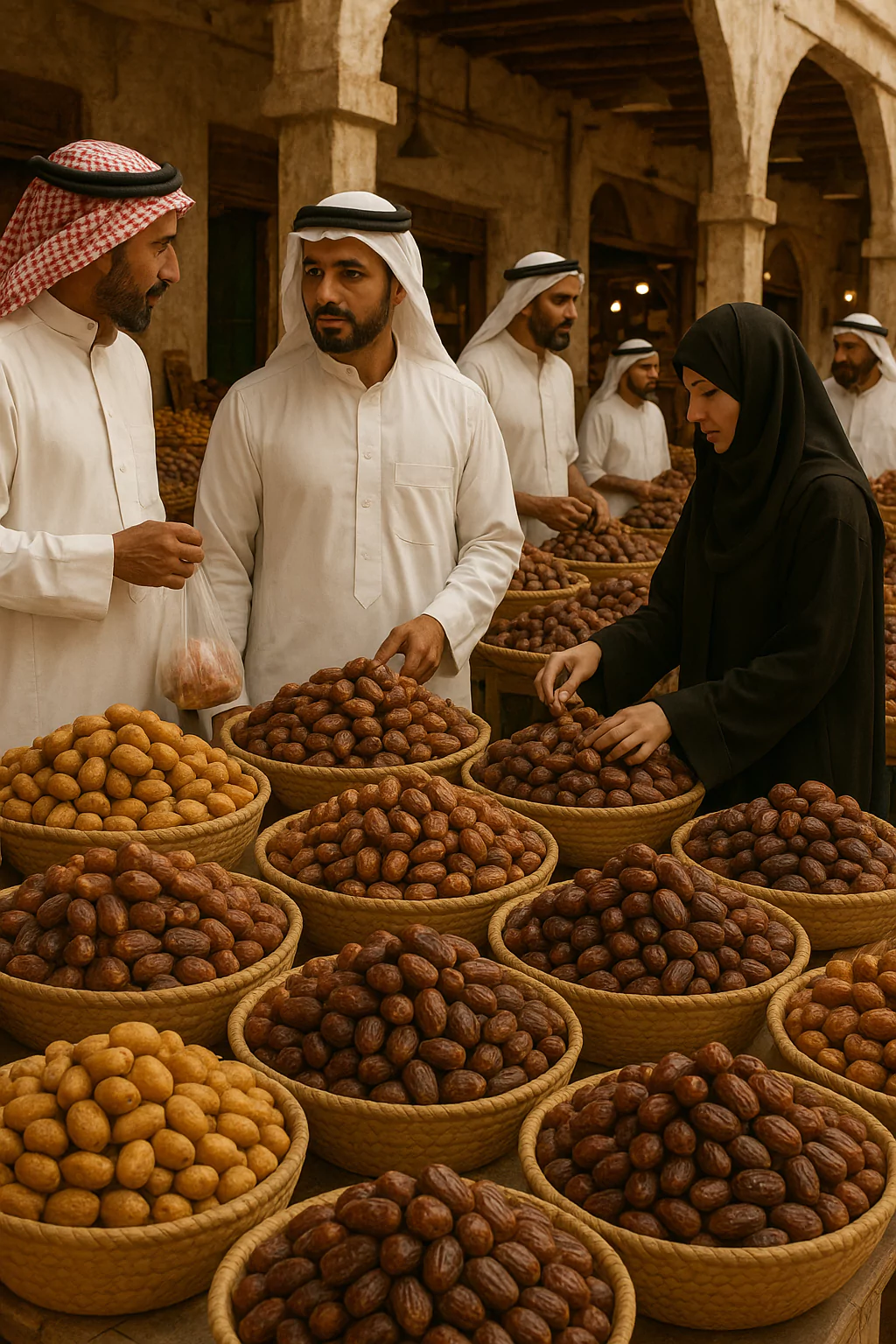
Dates are one of the most important and widely consumed fruits in the world, especially across the Middle East, North Africa, and South Asia. They are eaten for quick energy, natural sweetness, and their significant cultural role during Ramadan, where breaking the fast with dates is a cherished Sunnah tradition.
Dates are rich in natural sugars — primarily glucose and fructose — along with dietary fiber, potassium, magnesium, and powerful antioxidants. This combination makes them both nutritious and long-lasting. Research published by the National Institutes of Health suggests that date fruit consumption may support digestive health, cardiovascular function, and provide sustained energy.
There are many different types of dates, ranging from soft and juicy to semi-dry and dry varieties. Each type of date has its own taste, texture, nutritional profile, and best use, which is why dates are enjoyed in so many forms across cultures — eaten fresh, dried, stuffed, pressed into date paste, or processed into date molasses and date sugar.
How Many Types of Dates Are There?
There are more than 100 recognized varieties of dates grown around the world, but around 20–30 types are commonly sold in markets. Some of the most popular types of dates include Ajwa, Medjool, Sukkari, Safawi, Kimia, Mabroom, Khalas, Deglet Noor, Barhi, Khudri, Mazafati, and Anbara dates.
The best dates in the world depend on taste and purpose. Ajwa dates are famous for their Islamic significance and studied health properties. Medjool dates are celebrated for large size and caramel-like taste. Sukkari dates are known for an extraordinary honey-like sweetness. And Kimia dates offer a popular, affordable option with a deeply soft texture.
Dates are not just a snack — they form the foundation of many food products. Useful derivatives include date paste, date jam, date syrup, date seed powder, and even date seed coffee. All of this extraordinary versatility comes from a single fruit packed with nutrients like fiber, vitamins, potassium, and antioxidants.

Types of Dates: 3 Main Categories by Texture
All dates in the world — regardless of variety or origin — are classified into three broad categories based on their moisture content and texture. Understanding these categories helps you choose the right type for eating, cooking, gifting, or storage.
Soft Dates
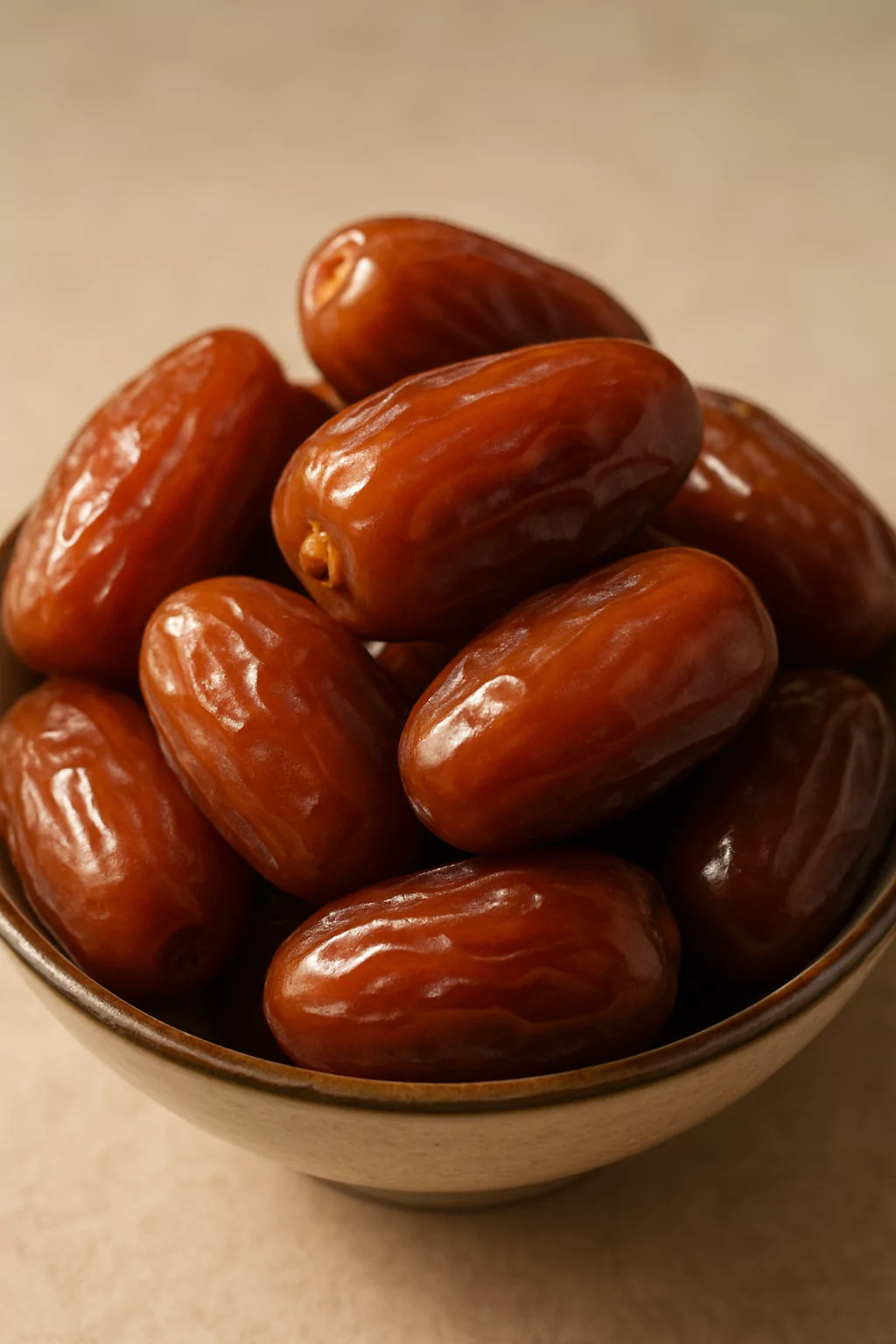
Soft dates contain more moisture — typically above 25% — making them juicy, tender, and naturally sweet. They have a melt-in-your-mouth quality and are ideal for eating directly as a snack or using in desserts, smoothies, and stuffed date recipes. Examples include Medjool, Ajwa, Sukkari, Mazafati, and Barhi. Their higher moisture means a shorter shelf life, so they should be refrigerated for long-term storage.
Semi-Dry Dates
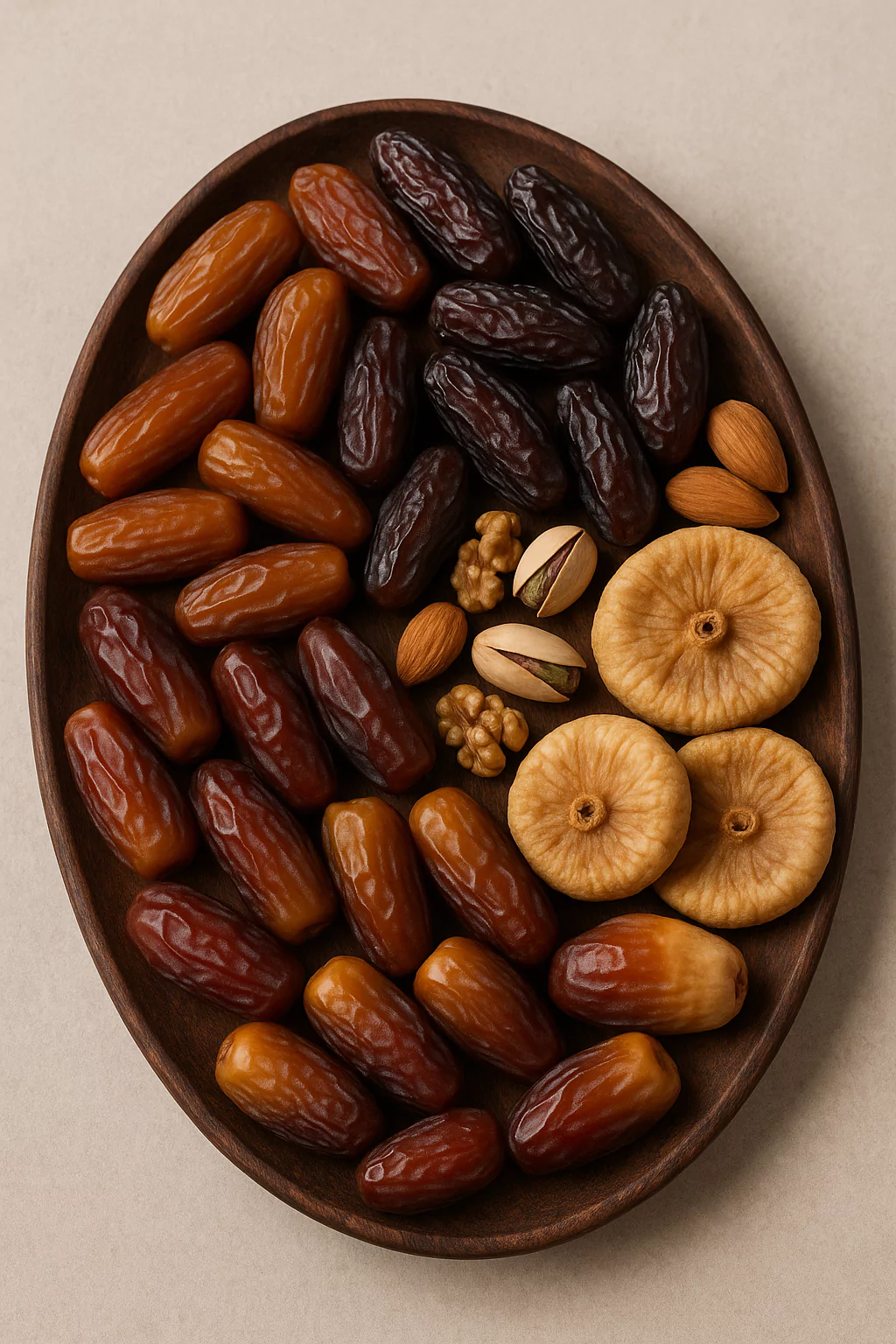
Semi-dry dates have a medium moisture level — typically 15–25% — giving them a satisfying chew that sits between juicy and firm. They can be eaten straight from the package or used in cooking, baking, and confectionery. Their balanced texture makes them versatile: great for everyday eating, energy bars, or being stuffed with nuts. Popular examples include Safawi, Deglet Noor, Khalas, Sagai, Zahidi, and Piarom. They typically last 6–12 months when stored properly.

Dry Dates
Dry dates have very little moisture — below 15% — making them firm, dense, and long-lasting. They are not as sweet upfront as soft dates, but their concentrated flavor makes them ideal for processing into date powders, syrups, energy bars, or stuffing with nuts and spices. The low moisture content gives dry dates an exceptionally long shelf life — often 12 months or more — making them ideal for travel, Ramadan provisions, and long-term pantry storage. Examples include Khudri, Thoory, Zahidi (in dry form), and Algerian dates.
Best Dates in the World — Top 10 Ranking
The following ranking is based on a combination of worldwide popularity, taste profile, cultural significance, nutritional value, and market demand. Every variety on this list is exceptional in its own right — the ranking reflects overall prestige rather than absolute quality, as the “best” date is ultimately a matter of personal preference and intended use.
| Rank | Date Variety | Best Known For | Origin / Region | Taste & Texture |
|---|---|---|---|---|
| #1 | Ajwa Dates | Islamic value, Madinah origin, antioxidants | Madinah, Saudi Arabia | Mildly sweet, soft, slightly dry |
| #2 | Medjool Dates | Large size, caramel-like taste | Morocco, USA, Jordan, Palestine | Soft, chewy, very sweet |
| #3 | Sukkari Dates | Honey-like sweetness | Qassim, Saudi Arabia | Very soft, golden, extremely sweet |
| #4 | Safawi Dates | Daily eating, rich balanced flavor | Madinah, Saudi Arabia | Dark, soft-firm, chewy |
| #5 | Kimia Dates | Affordable soft dates, rich sweetness | Iran & Middle East | Dark, very soft, very sweet |
| #6 | Mabroom Dates | Premium gifting, elegant shape | Saudi Arabia | Long, firm, less sticky |
| #7 | Anbara Dates | Luxury gifting, large premium size | Madinah, Saudi Arabia | Large, soft, premium fleshy |
| #8 | Khalas Dates | Arabic coffee pairing | Saudi Arabia & Gulf | Smooth, sweet, caramel-like |
| #9 | Deglet Noor Dates | Cooking, baking, versatility | Algeria, Tunisia | Semi-dry, mild sweetness |
| #10 | Barhi Dates | Fresh eating, unique dual texture | Iraq, Saudi Arabia | Soft-buttery when ripe, crunchy when fresh |
Compare Different Types of Dates
With so many different types of dates available, choosing the right one can be tricky. Use the comparison tool below to instantly compare popular date varieties side-by-side based on texture, sweetness level, and best use — helping you make the most informed choice for snacking, gifting, cooking, or health purposes.
🔄 Side-by-Side Comparison
Which Date Is Best for You?
Every person has different needs, preferences, and occasions for eating dates. Whether you want the sweetest date for snacking, the best variety for gifting during Ramadan, or a firm date for baking, the guide below helps you find the perfect match. You can also explore our popular date products for ready-made options.
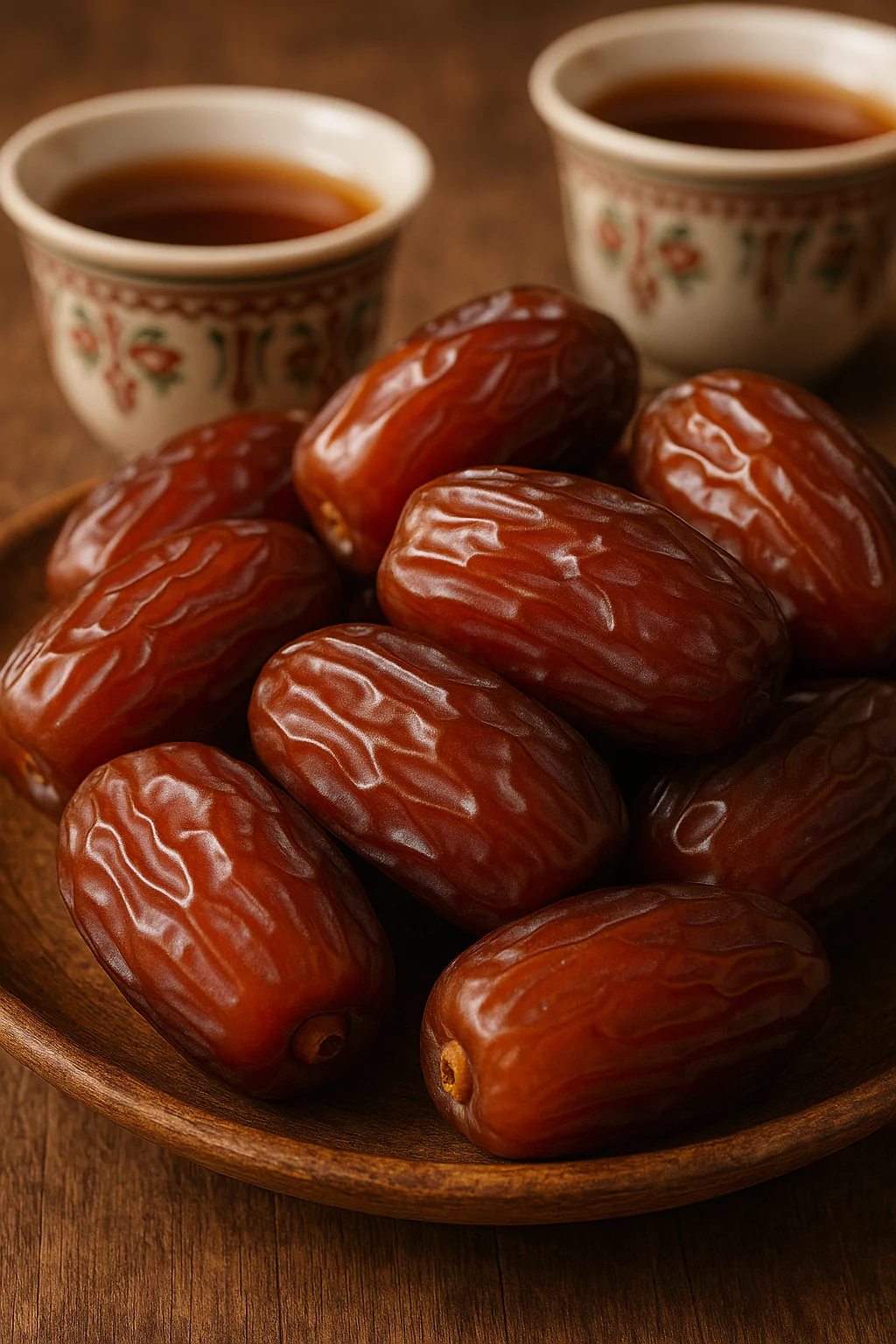
Often called the “King of Dates,” Medjool dates are among the most recognizable and beloved date varieties in the world. Originally from Morocco’s Tafilalt region, they are now cultivated across the USA (especially California), Israel, Palestine, Saudi Arabia, Jordan, and South Africa. What sets Medjool apart is their exceptional size — large and plump — combined with a moist, chewy, caramel-like sweetness that makes them feel almost indulgent. They are incredibly versatile: excellent as a snack, stuffed with nuts for almond stuffed dates or cream cheese stuffed dates, blended into energy bars, or used as a natural sweetener in baking. Studies suggest their potassium and fiber content may help support heart health and digestion.
| Feature | Description |
|---|---|
| Type | Soft Dates |
| Origin | Morocco (originally); now USA, Israel, Palestine, Saudi Arabia, Jordan |
| Size | Large and plump |
| Color | Dark brown with slightly wrinkled skin |
| Taste | Sweet, caramel-like, honey-like flavor |
| Texture | Soft, chewy, moist, and creamy |
| Nutritional Value | High in fiber, potassium, magnesium, copper, vitamin B6, antioxidants |
| Best For | Snacking, natural sweetener, stuffing with nuts, energy bars, baking |
| Shelf Life | 6–12 months if kept cool or refrigerated |
| Nickname | “King of Dates” — known for big size, sweet taste, and royal history |
Barhi Dates
Soft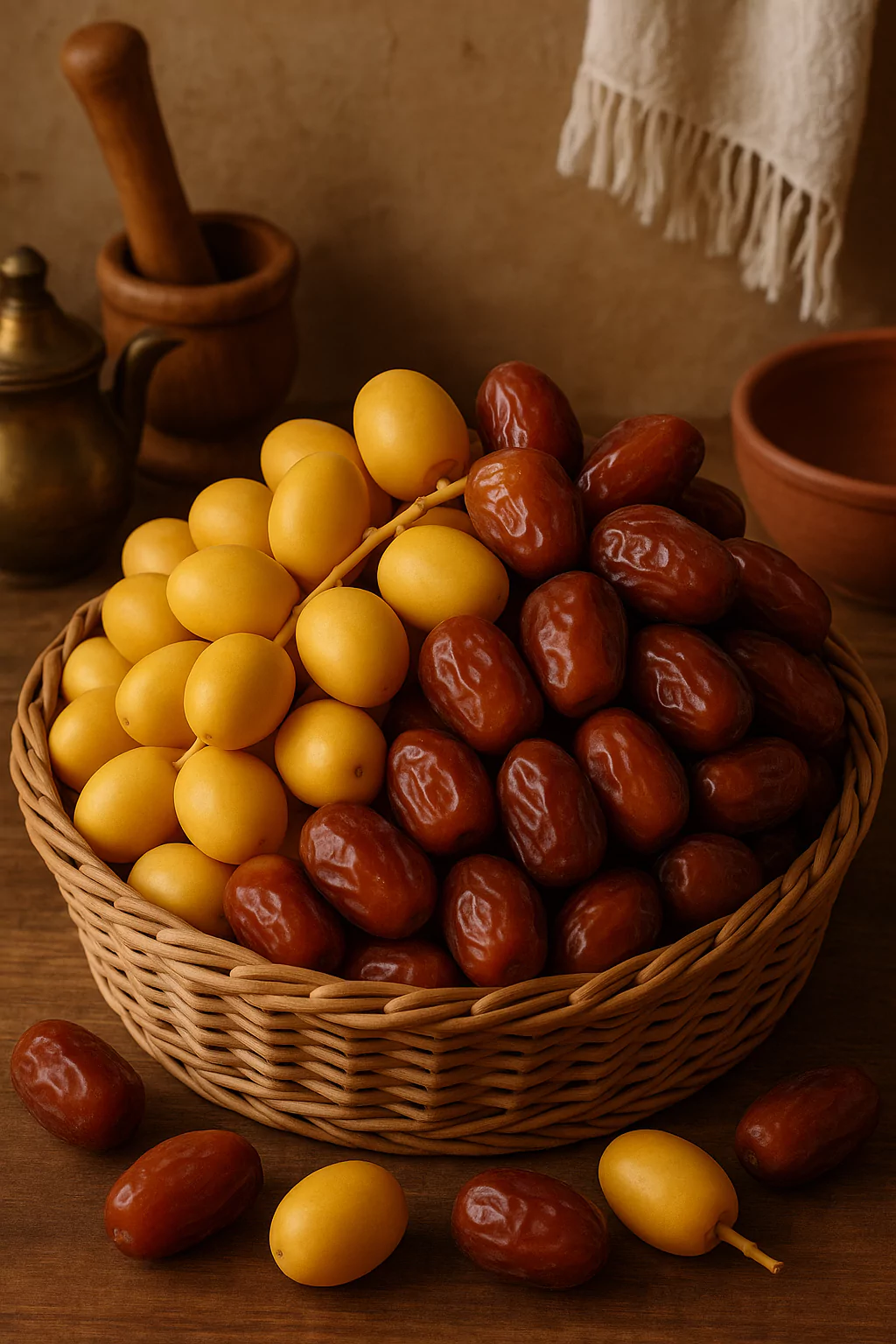
Barhi dates are uniquely versatile because they can be enjoyed at two different ripeness stages. When yellow and fresh (at the Khalal stage), they have a crunchy texture with a slightly astringent sweetness — almost apple-like. When fully ripe and brown, they become buttery, soft, and deeply sweet with honey-like notes. Grown mainly in Iraq and cultivated across Saudi Arabia, Egypt, and other Middle Eastern regions, Barhi dates are a favorite for fresh eating. They work well in smoothies (try our avocado date smoothie), desserts, and snacking. Their rich nutritional profile — high in potassium, magnesium, and antioxidants — makes them a worthwhile addition to any diet, though they have a relatively short shelf life when fresh.
| Feature | Description |
|---|---|
| Type | Soft Dates |
| Origin | Iraq; also cultivated in Saudi Arabia and Egypt |
| Size | Medium to large, plump shape |
| Color | Yellow when fresh; turns brown when fully ripe |
| Taste | Crunchy and mildly sweet when yellow; soft and caramel-like when brown |
| Texture | Buttery and soft when ripe; slightly crunchy when fresh |
| Nutritional Value | High in fiber, potassium, magnesium, vitamins, and antioxidants |
| Best For | Fresh eating, snacking, desserts, smoothies |
| Shelf Life | Fresh: a few days; dried versions: 6–12 months |
| Nickname | “Crunchy or Soft Dates” — depending on ripeness stage |
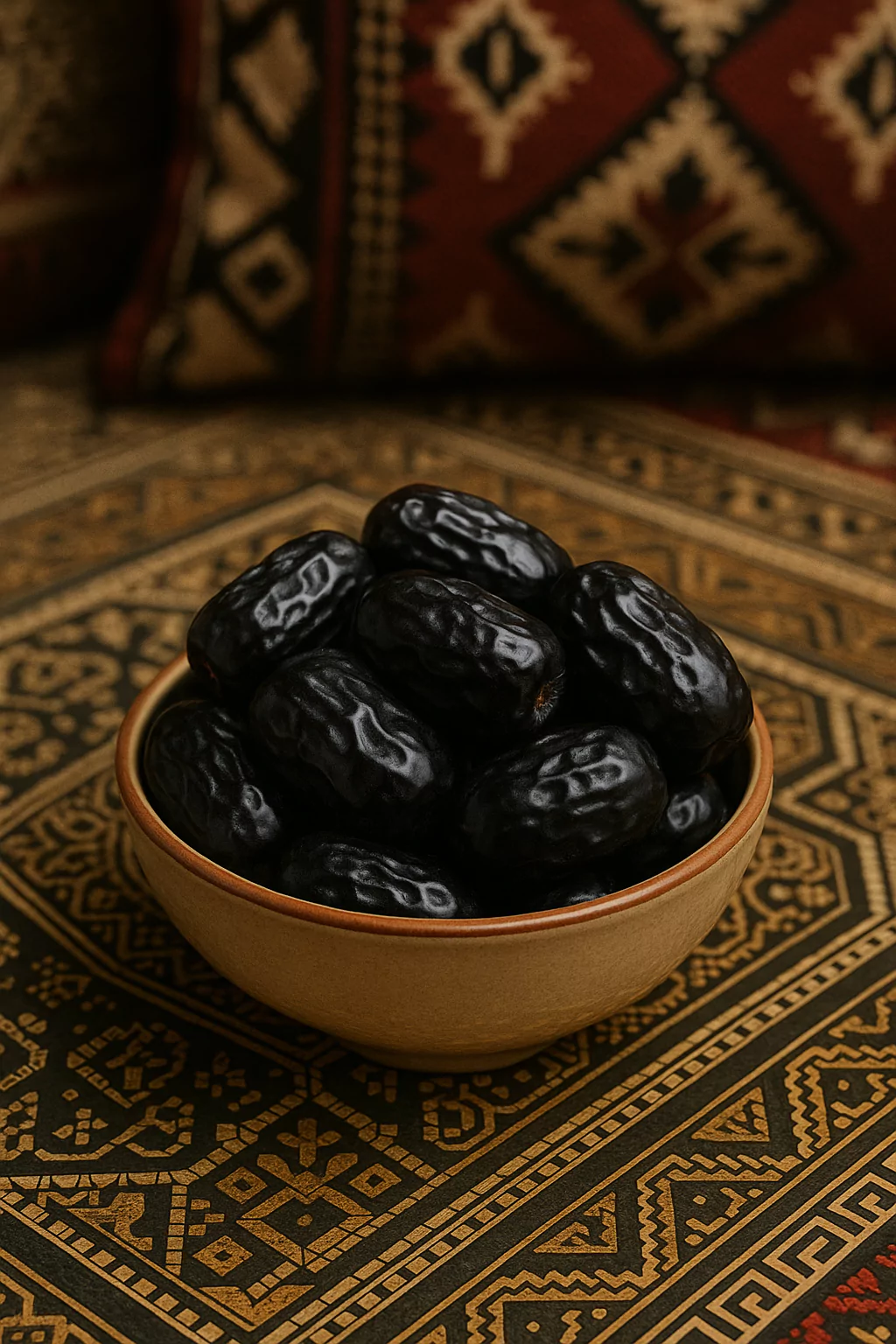
Safawi dates are a prized variety from the Al-Madina region of Saudi Arabia, and they are often compared to Ajwa dates due to their similar dark appearance and rich flavor profile. However, Safawi dates tend to be slightly larger and have a more pronounced chewy texture. Their deep black skin is shiny and smooth, with a sweet, slightly tangy interior that makes them deeply satisfying to eat. They are rich in fiber, potassium, magnesium, antioxidants, and vitamins, making them a nutritionally dense daily snack. Safawi dates are excellent for stuffing with peanut butter, energy bars, or eating plain with Arabic coffee. Studies suggest their antioxidant content may help support immune function and overall wellness.
| Feature | Description |
|---|---|
| Type | Semi-Dry Dates |
| Origin | Al-Madina region, Saudi Arabia |
| Size | Medium-sized, elongated and oval-shaped |
| Color | Deep black, shiny skin |
| Taste | Sweet, rich, and slightly tangy with a distinct flavor |
| Texture | Slightly soft, firm but with a chewy texture |
| Nutritional Value | Rich in fiber, potassium, magnesium, antioxidants, and vitamins |
| Best For | Snacking, stuffing with nuts, desserts, energy bars |
| Shelf Life | Up to 6 months when stored properly |
| Nickname | Often compared to Ajwa dates for appearance and health value |
Amber Dates (Golden Dates)
Soft
Amber dates — also called Golden Dates — are a large, premium Saudi variety prized for their striking golden-brown appearance and exceptionally smooth texture. Grown primarily in Saudi Arabia, these dates have a thick, soft flesh with a pleasant caramel-like sweetness that isn’t overwhelming. Their glossy, smooth skin makes them visually attractive for gifting and presentation. Amber dates are rich in fiber, vitamins, minerals, and antioxidants, making them a nutritionally sound daily snack. They pair well with Arabic coffee and work beautifully in date dessert recipes or as a natural sweetener. They are particularly popular during Ramadan and Eid celebrations due to their impressive appearance.
| Feature | Description |
|---|---|
| Type | Soft Dates |
| Origin | Primarily grown in Saudi Arabia |
| Size | Large, plump dates |
| Color | Golden-brown with a smooth, shiny skin |
| Taste | Sweet with a slight caramel-like flavor |
| Texture | Thick, soft, and smooth |
| Nutritional Value | Rich in fiber, vitamins, minerals, and antioxidants |
| Best For | Snacking, desserts, energy bars, natural sweetener |
| Shelf Life | 6–12 months if kept cool or refrigerated |
| Nickname | “Golden Dates” — known for large size and golden appearance |

Sukkari dates are Saudi Arabia’s answer to nature’s dessert. Known as the “Sweetest of All Dates,” Sukkari (literally meaning “sugar” in Arabic) lives up to its name with an extraordinarily intense honey-like sweetness that makes them almost impossible to resist. Grown primarily in the Qassim region of central Saudi Arabia, these dates are golden to light brown in color, very soft, and deeply juicy. They are a staple at Saudi social gatherings and especially popular served alongside Arabic coffee — the mild bitterness of the coffee balancing the intense sweetness of the date perfectly. Nutritionally, they provide high levels of natural sugars (beneficial for quick energy), fiber, potassium, and antioxidants. Their richness makes them wonderful in no-bake date balls and other energy-focused recipes.
| Feature | Description |
|---|---|
| Type | Soft Dates |
| Origin | Qassim region, central Saudi Arabia |
| Size | Medium to large, plump and elongated |
| Color | Golden to light brown |
| Taste | Extremely sweet with a honey-like flavor |
| Texture | Very soft and juicy |
| Nutritional Value | High in fiber, vitamins, potassium, and antioxidants |
| Best For | Snacking, desserts, energy bars, natural sweetener, Arabic coffee |
| Shelf Life | Up to 6 months in a cool, dry place or refrigerated |
| Nickname | “Sweetest of All Dates” — highest natural sugar content of Saudi varieties |
Khudri Dates
Dry
Khudri dates are one of the most practical and widely exported Saudi date varieties. They are classified as dry dates with a firm, chewy, and slightly dry texture that sets them apart from the softer Saudi varieties. Grown primarily in the Al-Madina region, Khudri dates are dark brown with a characteristically wrinkled skin and a mildly sweet flavor that is less intense than Sukkari or Medjool — making them an excellent choice for people who prefer dates that aren’t overwhelmingly sweet. Their dryness contributes to an exceptionally long shelf life of up to 12 months, making them ideal for long-term storage, travel, and export. Khudri dates work well in salads, energy bars, smoothies, and baking where a less sticky, more textured date is preferred.
| Feature | Description |
|---|---|
| Type | Dry Dates |
| Origin | Al-Madina region, Saudi Arabia |
| Size | Medium to large, oval-shaped |
| Color | Dark brown with wrinkled, textured skin |
| Taste | Mildly sweet, less intense flavor |
| Texture | Firm and chewy, slightly dry texture |
| Nutritional Value | High in fiber, potassium, iron, and essential minerals |
| Best For | Snacking, salads, smoothies, energy bars |
| Shelf Life | Up to 12 months in a cool, dry place |
| Nickname | Known for long shelf life and mild sweetness |
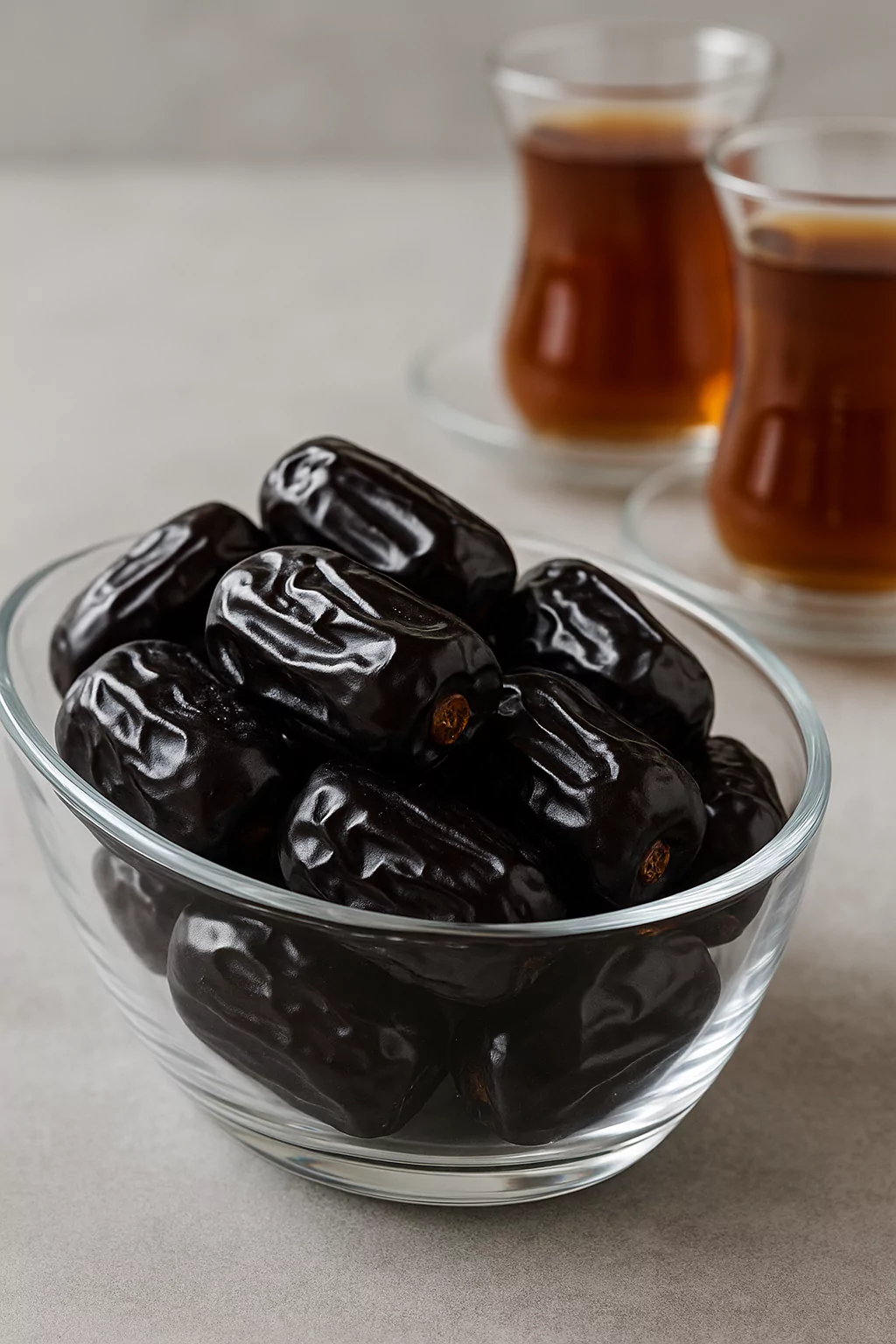
Kimia dates are one of the most popular Iranian date varieties, celebrated worldwide for their rich, very sweet caramel-like flavor and deeply dark appearance. Grown mostly in Iran and widely cultivated across the Middle East, Kimia dates feature a dark brown to near-black skin that is smooth and glossy, with moist, tender flesh beneath. They are one of the more affordable premium soft date varieties, which makes them a go-to choice for daily snacking, dessert making, and health-conscious consumers looking for a natural energy boost. Kimia dates are widely used in Iranian cuisine — particularly in sweets, confectioneries, and as a natural sugar substitute. Their high antioxidant, fiber, and mineral content (potassium, magnesium) makes them a nutritionally impressive choice at an accessible price point.
| Feature | Description |
|---|---|
| Type | Soft Dates |
| Origin | Iran; also cultivated in other Middle Eastern regions |
| Size | Medium-sized, plump, slightly elongated |
| Color | Dark brown to black, smooth glossy skin |
| Taste | Very sweet with a rich caramel-like flavor |
| Texture | Moist, tender, and smooth |
| Nutritional Value | High in fiber, antioxidants, potassium, and magnesium |
| Best For | Snacking, desserts, smoothies, energy bars |
| Shelf Life | 6–12 months in a cool, dry place or refrigerated |
| Nickname | Rich sweetness and smooth texture; key ingredient in Iranian cuisine |
Piarom Dates
Semi-Dry
Piarom dates are considered a premium Iranian delicacy, often referred to as “chocolate dates” in some markets because of their intensely rich, complex flavor. Grown specifically in the Kerman region of Iran, Piarom dates are distinguished by their elongated, slightly curved shape and a thin, dark brown to black skin that clings closely to a meaty, dense flesh. The flavor is remarkable — deeply sweet with caramel notes and an unexpected hint of nuttiness that makes them feel indulgent. Despite being classified as semi-dry, they have a satisfying chewiness that holds well in cooking. Their strong flavor makes them excellent for premium snacking, gourmet desserts, and upscale gift boxes. Nutritionally, Piarom dates are rich in fiber, antioxidants, and essential minerals, making them as healthy as they are delicious.
| Feature | Description |
|---|---|
| Type | Semi-Dry Dates |
| Origin | Kerman region, Iran |
| Size | Medium-sized, elongated, slightly curved |
| Color | Dark brown to black, smooth glossy skin |
| Taste | Rich caramel flavor with a hint of nuttiness |
| Texture | Meaty, chewy, and slightly firm |
| Nutritional Value | High in fiber, antioxidants, potassium, and magnesium |
| Best For | Premium snacking, gourmet desserts, gift boxes, smoothies |
| Shelf Life | Up to 12 months when stored properly |
| Nickname | “Chocolate Dates” — dense, chewy, and often described as a delicacy |
Sagai Dates
Semi-Dry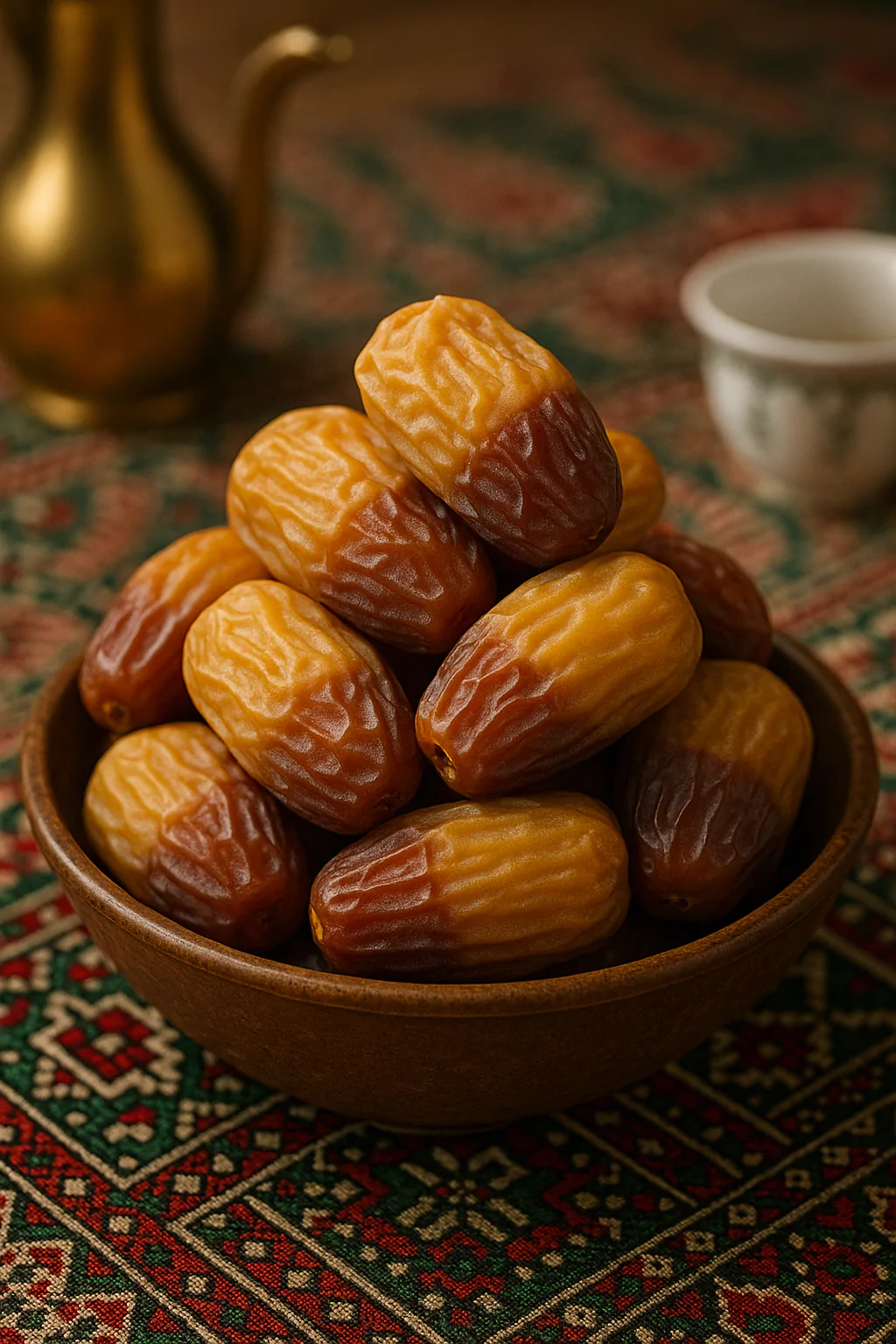
Sagai dates are one of the most visually distinctive date varieties — immediately recognizable by their two-toned appearance. The top portion of each Sagai date is soft and light-colored, while the lower portion is firmer and darker. This unique dual texture within a single date makes them fascinating to eat and distinctive on any platter. Grown in the central and southern regions of Saudi Arabia, Sagai dates have a pleasant sweet flavor with a mild, tangy note. They are often described as the ideal “balanced” date — not too sweet, not too dry — making them a crowd-pleasing variety for serving guests who may have different texture preferences. Their striking look also makes them popular for date gift boxes and traditional Saudi date displays.
| Feature | Description |
|---|---|
| Type | Semi-Dry Dates |
| Origin | Central and southern Saudi Arabia |
| Size | Medium-sized, elongated or oval-shaped |
| Color | Light to golden brown (two-toned appearance) |
| Taste | Sweet with a mild, tangy flavor |
| Texture | Soft at the top, firm at the base — unique combination |
| Nutritional Value | High in fiber, vitamins, and natural sugars |
| Best For | Snacking, stuffing with nuts, energy bars, desserts |
| Shelf Life | 6–9 months in a cool, dry place or refrigerated |
| Nickname | Known for unique two-texture appearance — soft top, firm base |

Ajwa dates hold an unparalleled position in Islamic culture and nutritional science. Cultivated exclusively in Madinah, Saudi Arabia, these small to medium, dark-black dates are mentioned in Hadith as protective against poison and black magic when seven are consumed each morning. Beyond their sacred status, studies suggest Ajwa dates may offer cardiovascular support, antioxidant protection, and anti-inflammatory properties — making them one of the most scientifically studied date varieties. Their flavor is mildly sweet with a slight tangy aftertaste and a soft, tender texture. They are excellent for daily health rituals, Ramadan, and gifting to Muslim friends and family. Learn more about their top benefits, heart health benefits, and their significance in Islamic tradition. Curious about pricing? See our Ajwa dates price 2025 guide.
| Feature | Description |
|---|---|
| Type | Soft Dates |
| Origin | Madinah, Saudi Arabia (exclusively) |
| Size | Small to medium |
| Color | Dark black with smooth, wrinkled skin |
| Taste | Mildly sweet with a slight tangy aftertaste |
| Texture | Soft and tender |
| Nutritional Value | Rich in fiber, antioxidants, vitamins, and studied health compounds |
| Best For | Daily health ritual, Islamic Sunnah, gifting, medicinal use |
| Shelf Life | Several months when stored properly |
| Nickname | Sacred dates of Madinah — considered spiritually and medically significant |
Deglet Noor Dates
Semi-Dry
Deglet Noor — meaning “Date of Light” — is one of North Africa’s most celebrated exports and the most common date found in Western supermarkets. Originating from Algeria and Tunisia, these medium-sized, light amber-colored dates have a delicate, mildly sweet flavor with an unexpected nutty undertone that makes them stand out. Their semi-dry texture means they hold their shape exceptionally well during cooking and baking, making them the most versatile date variety in the kitchen. They are the standard ingredient in commercial date products, breakfast bars, and baked goods globally. Their firm, chewy texture also makes them satisfying to eat plain. For those new to dates, Deglet Noor offers a gentle introduction — not too sweet, with a pleasant mild flavor that pairs with both sweet and savory dishes.
| Feature | Description |
|---|---|
| Type | Semi-Dry Dates |
| Origin | Algeria, Tunisia, and parts of the Middle East |
| Size | Medium |
| Color | Light amber brown |
| Taste | Sweet, with a slight nutty flavor |
| Texture | Firm, chewy |
| Nutritional Value | Rich in fiber, iron, and vitamins |
| Best For | Baking, cooking, energy bars, everyday snacking |
| Shelf Life | Up to 12 months |
| Nickname | “Date of Light” — delicate flavor, light color, widely available |
Mabroom Dates
Semi-DryMabroom dates are one of the most popular premium Saudi date varieties, widely appreciated for their distinctive long, slender, and elegant appearance. They are firm and chewy, and notably less sticky than soft dates, making them an ideal choice for gifting, travel, and daily eating without the mess. Their balanced, mildly sweet flavor with a rich smooth finish means they pair wonderfully with Arabic coffee and work well in both sweet and savory contexts. Mabroom dates are commonly included in high-end Ramadan gift boxes, Eid hampers, and luxury date assortments. They contain natural sugars, fiber, potassium, magnesium, and antioxidants, making them a nutritionally solid daily choice alongside their aesthetic appeal. Look for them in premium Saudi date gift collections.
| Feature | Description |
|---|---|
| Type | Semi-Dry Dates |
| Origin | Madinah and other date-growing regions in Saudi Arabia |
| Size | Medium to large, long and slender |
| Color | Reddish-brown to dark brown |
| Taste | Mildly sweet with a rich, smooth flavor |
| Texture | Firm, chewy, and less sticky than soft dates |
| Nutritional Value | Natural sugars, fiber, potassium, magnesium, and antioxidants |
| Best For | Premium gifting, daily snacking, Ramadan, serving with Arabic coffee |
| Shelf Life | Long shelf life in a cool, dry place or refrigerated |
| Nickname | Known as a premium Saudi date — elegant shape, firm texture |
Anbara Dates
SoftAnbara dates are considered one of the most luxurious date varieties from Madinah, Saudi Arabia. What immediately sets them apart is their extraordinary size — large, thick, and visually impressive. Their flesh is soft, fleshy, and slightly chewy, with a mild to moderately sweet flavor that doesn’t overwhelm. This combination of size, appearance, and taste makes Anbara dates a go-to choice for luxury gifting, special occasions, Ramadan, and Hajj and Umrah gift packages. They are highly prized in the Gulf region and are commonly found in high-quality Saudi date gift boxes presented to guests. Nutritionally, Anbara dates provide natural carbohydrates, fiber, potassium, magnesium, and antioxidants in generous amounts due to their large size. If you are looking for dates that make an impression, Anbara is the answer.
| Feature | Description |
|---|---|
| Type | Soft to semi-soft dates |
| Origin | Madinah, Saudi Arabia |
| Size | Very large, thick, and premium-looking |
| Color | Light brown to dark brown |
| Taste | Mild to moderately sweet with a rich date flavor |
| Texture | Soft, fleshy, and slightly chewy |
| Nutritional Value | Natural carbohydrates, fiber, potassium, magnesium, antioxidants |
| Best For | Luxury gifting, Ramadan, Hajj & Umrah gifts, special occasions |
| Shelf Life | Several months in airtight container in cool place or refrigerator |
| Nickname | “Luxury dates of Madinah” — large size and premium quality |
Khalas Dates
Soft
Khalas dates are one of the most culturally significant varieties in Gulf Arab culture, particularly in Saudi Arabia, UAE, and Kuwait. Their name — meaning “pure” or “finished” in Arabic — hints at their refined, smooth sweetness. Medium-sized with a beautiful golden-brown color, Khalas dates have a sticky, smooth texture and a clean, sweet flavor that pairs with Arabic coffee in a way no other date can match. The bitterness of Arabic coffee is perfectly countered by the silky sweetness of Khalas dates, making this pairing one of the most cherished traditions in Gulf hospitality. Beyond this iconic pairing, Khalas dates are wonderful for snacking, making desserts, and gifting. They are rich in fiber, vitamins, and antioxidants, making them as nutritious as they are culturally meaningful.
| Feature | Description |
|---|---|
| Type | Soft Dates |
| Origin | Saudi Arabia and Gulf region |
| Size | Medium |
| Color | Golden brown |
| Taste | Sweet, smooth, clean flavor |
| Texture | Sticky and smooth |
| Nutritional Value | Rich in fiber, vitamins, antioxidants |
| Best For | Snacking, Arabic coffee rituals, desserts |
| Shelf Life | 6–12 months |
| Nickname | Classic Arabic coffee pairing date — a Gulf hospitality staple |
Mazafati Dates
Soft
Mazafati dates — also known as Bam dates after the region in Iran’s Kerman province where they are primarily grown — are one of the most beloved fresh date varieties in the world. Their dark brown to black skin is smooth and glossy, encasing a plump, juicy, and slightly sticky flesh with an intensely sweet, honey-like flavor. They are typically consumed fresh (or at the Rutab stage) and have a short shelf life compared to drier varieties. Mazafati dates are a popular choice for those who enjoy an exceptionally moist, indulgent date experience. They work wonderfully in smoothies, energy balls, and fresh desserts. Their high natural sugar and antioxidant content makes them a popular natural energy source, though their short shelf life means they require refrigeration and prompt consumption.
| Feature | Description |
|---|---|
| Type | Soft Dates |
| Origin | Kerman region (Bam), Iran |
| Size | Medium to large, often plump and round |
| Color | Dark brown to black, smooth glossy skin |
| Taste | Sweet, rich, honey-like flavor |
| Texture | Soft, juicy, and slightly sticky |
| Nutritional Value | High in natural sugars, fiber, potassium, antioxidants, and vitamins |
| Best For | Fresh eating, snacking, desserts, smoothies |
| Shelf Life | Short when fresh (a few weeks); refrigerate for longer storage |
| Nickname | “Bam Dates” — juicy, soft, highly prized for freshness and sweetness |
Types of Dates in Saudi Arabia
Saudi Arabia is home to some of the world’s most prestigious and sought-after date varieties. The unique climate of the Arabian Peninsula — hot, dry, and mineral-rich — produces dates with exceptional flavor concentration and nutritional density. Saudi dates are widely consumed locally and exported worldwide for their quality, taste, and cultural significance.
The most famous Saudi date varieties include Ajwa (from Madinah), Sukkari (from Qassim), Safawi (from Madinah), Khalas (from the Eastern Province), Mabroom, Anbara, Khudri, and Sagai. Each region of Saudi Arabia has developed specific varieties that reflect the local soil, water, and farming traditions — making Saudi dates a rich and diverse category unto themselves.
| Variety | Region | Type | Highlight |
|---|---|---|---|
| Ajwa | Madinah | Soft | Most revered; Islamic & health significance |
| Sukkari | Al-Qassim | Soft | Sweetest Saudi date; honey-like flavor |
| Safawi | Madinah | Semi-Dry | Daily eating; similar appearance to Ajwa |
| Khalas | Eastern Province | Soft | Arabic coffee pairing; Gulf hospitality staple |
| Mabroom | Madinah | Semi-Dry | Premium gifting; elegant long shape |
| Anbara | Madinah | Soft | Largest & most luxurious Madinah date |
| Khudri | Madinah | Dry | Long shelf life; mild sweetness; export staple |
| Sagai | Central/South | Semi-Dry | Two-toned unique texture |
| Amber | Various | Soft | Golden-brown; premium appearance |
Frequently Asked Questions: Types of Dates
These are the most common questions people ask about date varieties, their differences, and how to choose the right one. If you have a question not answered here, explore our detailed guides on Ajwa dates or Medjool dates.
What are the different types of dates?
What are the best dates in the world?
Which is better: Ajwa or Medjool dates?
Which date is the sweetest?
What are the most expensive types of dates?
What dates are best for cooking and baking?
How many types of dates are there in the world?
Are Kimia dates good?
Which dates are best for daily eating?
What is the difference between soft, semi-dry, and dry dates?
Which dates are best for gifting?
Are dates healthy for women and men?
📚 Sources & References
- Al-Shahib, W. & Marshall, R.J. (2003). The fruit of the date palm: its possible use as the best food for the future? — International Journal of Food Sciences and Nutrition. PubMed
- Alkaabi, J.M. et al. (2011). Glycemic indices of five varieties of dates in healthy and diabetic subjects. — Nutrition Journal. BioMed Central
- Maillot, M. et al. (2021). Date fruit nutrition and health benefits. — Food & Nutrition Research. NIH.
- FAO. Date Palm Products — Ecological Requirements and Cultivation. FAO.org
- Healthline. 8 Proven Health Benefits of Dates. Healthline.com