
Kimia Dates: Iranian Soft Dates — Benefits, Nutrition & Where to Buy
Kimia dates are Iran’s most prized soft date variety — harvested at peak ripeness from the ancient groves of Bam, Kerman Province. Caramel-sweet, melt-in-your-mouth tender, and naturally nutrient-rich, they are a favorite across the Middle East, South Asia, and beyond for daily snacking, Ramadan iftar, and healthy cooking.
Explore Health Benefits ↓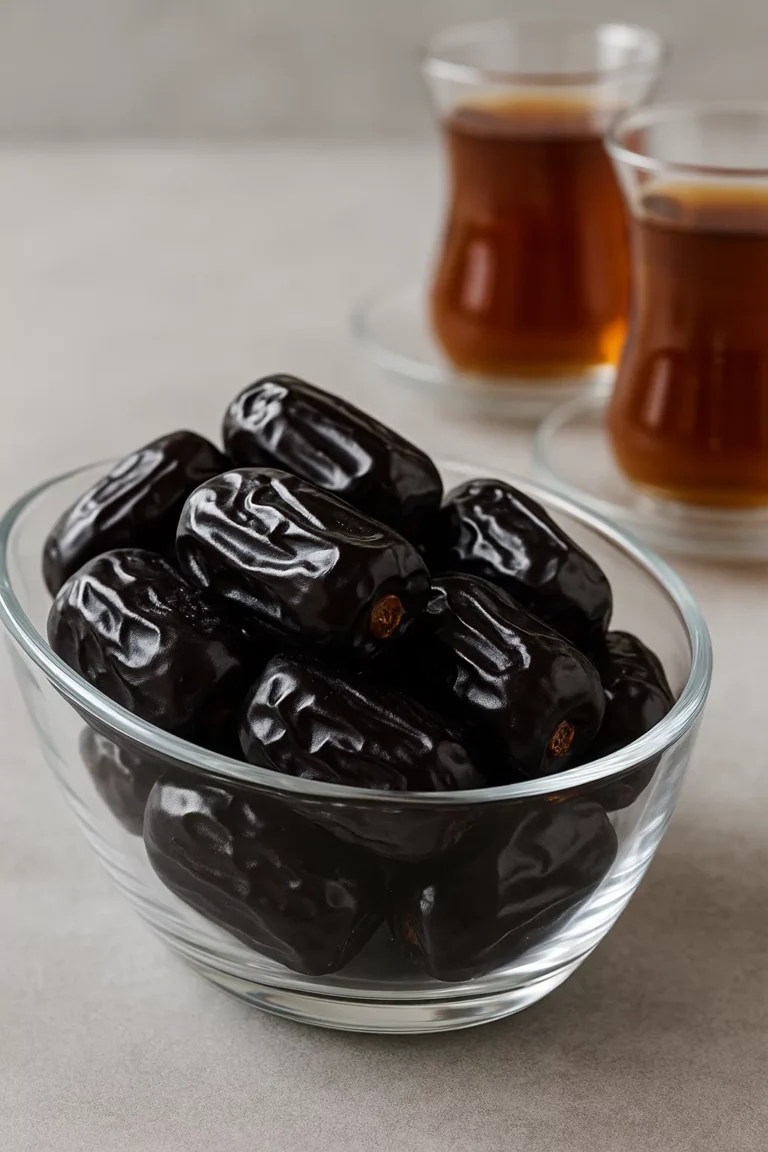
⚠️ Medical Disclaimer: The information on this page is for educational purposes only and is not medical advice. Kimia dates are a food, not a medicine. Always consult a qualified healthcare professional before making dietary changes, especially if you have diabetes, kidney disease, or any chronic health condition.
- Kimia dates are the same variety as Mazafati dates — two names for Iran’s most beloved soft date, grown in Bam, Kerman Province.
- Nutritionally rich: 8.5g fiber, 696mg potassium, and moderate GI (~42) make them one of the most balanced date varieties for daily consumption.
- For most healthy adults, 2–4 Kimia dates per day is the ideal serving — enough to benefit from their nutrients without excess sugar intake.
- Kimia dates are minimally processed — no added sugars, no artificial coatings. Always check the label for single-ingredient packaging.
- Best uses: daily snacking, smoothies, date paste for baking, Ramadan iftar, and as a natural sweetener replacement in recipes.
What Are Kimia Dates?
Kimia dates are one of Iran’s most prized date varieties — soft, dark brown, naturally sweet fruits harvested from date palm trees (Phoenix dactylifera) grown primarily in the Bam district of Kerman Province in southeastern Iran. The word “Kimia” itself comes from Persian, meaning “alchemy” or “precious gift” — a name that reflects how valued these dates are in Iranian culture and cuisine.
Often used interchangeably with the name “Mazafati dates,” Kimia is essentially the export brand name for this variety, used in international markets from the UAE to the United Kingdom. They are harvested at the rutab stage — the naturally juicy phase of date ripening when moisture content is between 15–30% — which gives them their signature soft, melt-in-your-mouth texture without any artificial softening.
What sets Kimia dates apart from other popular varieties like Ajwa dates or Medjool dates is their extraordinary softness and rich caramel sweetness. They are neither as chewy as Ajwa nor as overwhelmingly large as Medjool — they occupy a delicious middle ground that makes them ideal for everyday snacking, smoothie blending, and natural sugar replacement in cooking. To explore how they compare to the full spectrum of date varieties, see our comprehensive guide on types of dates.
Kimia dates are harvested at the rutab stage — naturally juicy with 15–30% moisture. This gives them their signature melt-in-your-mouth texture with no artificial softening, coatings, or chemical treatment of any kind.
Are Kimia Dates Processed?
This is one of the most frequently asked questions about Kimia dates — and the answer is reassuring for health-conscious buyers. Authentic Kimia dates are minimally processed. They are harvested at the natural rutab (juicy) ripening stage, lightly hand-sorted and cleaned to remove debris, then packed directly into containers without any industrial treatment.
Their natural softness comes entirely from being harvested at peak ripeness — not from any artificial softening agents, glucose syrup coatings, or chemical preservatives. This is what makes Kimia dates genuinely different from many processed fruit snacks on the market. Their high natural moisture content (15–30%) provides the soft texture consumers love without any need for chemical enhancement.
However, it is important to be vigilant when purchasing commercially packaged Kimia dates. Some lower-quality brands do add glucose syrup to extend shelf appeal, sulphur dioxide (E220) as a preservative, or mineral oil to create an artificially glossy appearance. The safest way to verify quality is to check the ingredient list — authentic, naturally processed Kimia dates should list only one ingredient: “dates.”
When buying, always look for packs labeled “natural” or “no preservatives”. A single ingredient — dates — is the gold standard. Organic certification from recognized bodies adds further assurance of minimal processing.
- Harvested at natural rutab (juicy) ripening stage
- Lightly cleaned and hand-sorted for quality
- No artificial coatings or glucose syrups added
- No artificial preservatives (E220, sulphites) used
- Packaged in airtight containers to preserve moisture
- Naturally soft — no chemical softening required
- Single ingredient on label: “dates” only
- No added colors, flavors, or waxes
Some commercial Kimia date products contain glucose syrup coating, sulphur dioxide (E220) as a preservative, or are candied/flavored. Check the ingredient label before every purchase. If there is anything beyond “dates” in the ingredient list, the product has been processed.
Where Kimia Dates Come From and How They’re Grown
Kimia dates come from the warm, arid landscapes of southern Iran, with the most prized growing region being the Bam district of Kerman Province. This ancient agricultural heartland features over 28,000 hectares of date palm groves — the largest concentration of premium soft-date cultivation in the world. Additional growing areas include Jiroft, Kahnuj, and parts of Sistan & Baluchestan Province.
What makes Bam’s Kimia dates exceptional is a rare combination of agricultural factors: intense summer heat exceeding 45°C, extremely low humidity, sandy well-draining soil, and access to ancient underground water channels called qanats — some over 2,500 years old — that provide steady groundwater irrigation even during Iran’s prolonged drought periods. Modern farms supplement these ancient systems with drip irrigation technology to minimize water use.
Iran is one of the world’s top date producers, accounting for approximately 15–17% of global production with over 1 million tons harvested annually. Of this, soft varieties like Kimia (Mazafati) represent a significant portion of premium export production, shipped to over 82 countries across Asia, Europe, and North America.
The harvest season for Kimia dates runs primarily from August through October, when experienced farm workers climb each palm tree individually to hand-harvest clusters of dates at the precise rutab ripening stage — ensuring the maximum natural moisture, flavor, and tenderness are preserved.
Harvest Calendar:
- June–July — Early rutab, limited availability
- August–September ⭐ — Peak harvest, best freshness
- October–November — Late harvest, still excellent quality
- December–May — Refrigerated/frozen stock
What Do Kimia Dates Taste Like?
Kimia dates offer one of the most immediately satisfying flavor experiences of any date variety. The first bite delivers a wave of rich, warm caramel sweetness — deeper and more complex than simple sugar, with subtle notes of honey, dark toffee, and a very gentle fruity undertone. The sweetness is bold without being sharp or one-dimensional.
The texture is where Kimia dates truly distinguish themselves. Their high natural moisture content (15–30%) creates a melt-in-your-mouth softness that is almost syrupy in the freshest specimens. The skin is thin, delicate, and barely noticeable — it practically dissolves with the flesh rather than requiring chewing. This makes Kimia dates particularly enjoyable for people who find other date varieties too chewy or tough.
Compared to Ajwa dates, Kimia dates are noticeably sweeter and much softer. Ajwa has a more subtle, earthy, slightly nutty flavor with a mild bittersweet finish, while Kimia is straightforwardly, unapologetically sweet. Compared to Medjool, Kimia dates are softer and moister with a similar caramel intensity but smaller size and slightly lower calorie density per piece.
Temperature affects the Kimia date experience significantly. Served straight from the refrigerator, they have a firmer, almost creamy texture. At room temperature, they soften further and become more syrupy. Many date connoisseurs prefer them slightly chilled as a refreshing snack, particularly during Ramadan iftar in warm climates.
- Primary flavor: Rich caramel with honey notes
- Secondary notes: Warm toffee, gentle fruit undertone
- Sweetness level: Very high — naturally bold
- Texture: Melt-in-mouth, soft, slightly sticky
- Skin: Thin, delicate, barely noticeable
- Moisture: 15–30% — one of the highest among dates
- Finish: Clean and sweet — no bitter aftertaste
- Size: Medium — 3–4cm, elongated oval
For the best taste experience, serve Kimia dates at room temperature with a small cup of unsweetened Arabic coffee (qahwa) or warm black tea. The bitterness of the coffee perfectly balances the natural caramel sweetness — a traditional pairing across Iran, UAE, and Saudi Arabia.
Kimia Dates Nutrition Facts
Kimia dates are a nutrient-dense whole food that provides meaningful amounts of dietary fiber, essential minerals, and natural energy in a compact package. Understanding their nutritional profile helps you incorporate them wisely into a balanced diet. The values below are based on USDA FoodData Central data for soft date varieties and peer-reviewed studies on Iranian Mazafati dates.
The calorie count of 277 kcal per 100g translates to approximately 25–35 calories per individual Kimia date depending on size — making portion control straightforward. Their substantial dietary fiber content (8.5g per 100g, representing about 30% of the recommended daily intake) slows sugar absorption and supports digestive health, making them a meaningfully more nutritious choice than refined sweets with similar calorie counts.
Potassium at 696mg per 100g is particularly noteworthy — this mineral is essential for maintaining healthy blood pressure, supporting muscle function, and regulating fluid balance. A serving of 3–4 Kimia dates provides roughly 10–15% of the recommended daily potassium intake. Magnesium (54mg per 100g) supports cardiovascular health, nerve function, and muscle relaxation, while iron (approximately 1mg per 100g) contributes to healthy red blood cell production.
* Nutrition values may vary by harvest season, storage conditions, and individual date size. Based on USDA FoodData Central (2024) for soft date varieties.
| Nutrient | Per 100g | % Daily Value |
|---|---|---|
| Calories | 277 kcal | ~14% |
| Total Carbohydrates | ~75g | ~27% |
| Natural Sugars | ~70g | — |
| Dietary Fiber | 8.5g | ~30% |
| Protein | ~1.8g | ~4% |
| Total Fat | <0.5g | <1% |
| Potassium | 696mg | ~15% |
| Magnesium | ~54mg | ~13% |
| Iron | ~1.0mg | ~6% |
| Calcium | ~64mg | ~5% |
| Phosphorus | ~62mg | ~5% |
| Vitamin B6 | Present | — |
| Folate | Present | — |
| Zinc | Present | — |
| Flavonoids (Quercetin) | Moderate | — |
| Tannins | Present | — |
| Glycemic Index | ~42 (Low-Moderate) | — |
Kimia dates have a glycemic index of approximately 42 — classified as low-to-moderate. This is meaningfully lower than white bread (GI ~75) or refined sugar (GI ~65), meaning they cause a gentler and more controlled blood sugar response despite their sweet taste.
Top 8 Health Benefits of Kimia Dates
Research on date fruits — including soft Iranian varieties like Kimia — suggests multiple potential health benefits when consumed as part of a balanced diet. All benefits below are described as research findings, not guaranteed outcomes. Consult a healthcare professional for personalized advice.
Natural Sustained Energy
Kimia dates provide a combination of quickly available glucose and fructose alongside dietary fiber — a balance that may deliver both immediate and sustained energy without the sharp crash associated with refined sugar or processed energy products. At 277 kcal per 100g, they are a calorically efficient energy source favored by athletes and active individuals for pre-workout fuel.
Digestive Health Support
With 8.5g of dietary fiber per 100g — approximately 30% of the recommended daily intake — Kimia dates may significantly support digestive regularity. Their fiber acts as a prebiotic, feeding beneficial gut bacteria and supporting a healthy microbiome. Studies suggest soluble fiber from dates can help reduce constipation and support overall gut motility without harsh laxative effects.
Heart Health Support
The 696mg of potassium per 100g in Kimia dates may support healthy blood pressure regulation — a key factor in cardiovascular health. The American Heart Association recognizes potassium as important for heart function. Additionally, their low fat content and meaningful magnesium levels (54mg) may contribute to healthy arterial function and reduced inflammation markers.
Antioxidant Protection
Kimia dates contain flavonoids (including quercetin), tannins, and carotenoids — bioactive compounds that function as antioxidants in the body. These molecules may help neutralize free radicals that contribute to cellular aging and chronic disease development. While the antioxidant content of Kimia dates is moderate compared to Ajwa dates, it still provides meaningful dietary antioxidant support.
Hydration & Fasting Support
Research published in 2024 suggests that date fiber may support fluid balance and electrolyte maintenance during fasting periods — particularly relevant for Ramadan fasting. Kimia dates’ natural electrolytes (potassium, magnesium, sodium) help replenish minerals lost during long fasting hours, making them an excellent iftar food for breaking the fast gently without causing digestive stress.
Bone & Mineral Support
Kimia dates provide calcium (64mg), phosphorus (62mg), and magnesium (54mg) per 100g — three minerals essential for maintaining bone density and structural integrity. Regular consumption of dates as part of a mineral-rich diet may support bone health over time, particularly in populations with limited dairy intake. These minerals also play roles in muscle contraction and nervous system function.
Iron & Anemia Support
Kimia dates contain approximately 1mg of iron per 100g, contributing to daily iron requirements alongside other dietary iron sources. Iron is essential for hemoglobin production and oxygen transport throughout the body. While dates are not a primary iron source, their regular inclusion in the diet — especially combined with vitamin C-rich foods that enhance iron absorption — may help support healthy blood iron levels, particularly in women and growing children.
Blood Sugar Modulation
Despite their natural sweetness, Kimia dates have a moderate glycemic index of approximately 42 — significantly lower than refined sugar, white bread, or most processed sweets. Their fiber content slows the absorption of sugars into the bloodstream, creating a more gradual and manageable glucose response. For healthy adults, this makes them a nutritionally superior sweet alternative when consumed in appropriate portions of 2–4 dates per day.
Kimia Dates Benefits for Specific Groups
The ideal daily portion and timing for Kimia dates varies by lifestyle, health goals, and individual medical conditions. Here is a comprehensive group-by-group breakdown with practical, evidence-informed advice for each population.
🤰 Pregnant Women
Kimia dates provide natural energy, iron, folate, and fiber during pregnancy. Some research suggests consuming dates in the third trimester may support favorable birth outcomes, though this evidence is preliminary and variety-specific studies are limited.
Suggested portion: 2–3 dates per day with healthcare provider approval.
Women with gestational diabetes should limit to 1 date per day maximum and monitor blood glucose closely. Always consult your OB/GYN before adding dates to your pregnancy diet. For Ajwa-specific pregnancy research, see our guide on Ajwa dates for pregnancy.
💉 Diabetes Management
Kimia dates have a moderate glycemic index (~42) and contain fiber that may slow sugar absorption. However, at approximately 70g of natural sugar per 100g, they must be eaten with extreme caution by anyone managing blood sugar conditions.
Suggested portion: Maximum 1 date, paired with protein (almonds, walnuts, or full-fat yogurt) to further slow glucose absorption.
- Never eat dates with other sugary foods or drinks
- Check blood glucose 1–2 hours after eating
- Do not eat dates on a completely empty stomach
- Always consult your endocrinologist or dietitian
👶 Children
Kimia dates are exceptionally well-suited for children because their extreme softness requires minimal chewing, making them safer and more enjoyable for younger eaters. They provide natural energy and minerals without the artificial colors, preservatives, or refined sugars found in most commercial children’s snacks.
Age-appropriate portions:
- Ages 1–3: ½ to 1 date, pitted and mashed
- Ages 4–8: 1–2 dates, pit removed
- Ages 9–12: 2–3 dates
- Teenagers: 2–4 dates (same as adults)
⚠️ Choking Hazard: Always remove pits before giving dates to children under 5. Cut into small pieces for toddlers and children under 4 years old.
🏃 Athletes & Active Individuals
The natural carbohydrates in Kimia dates — a mix of glucose, fructose, and sucrose — provide rapid pre-workout energy that most commercial energy gels attempt to replicate artificially. Their potassium content may also help prevent exercise-induced muscle cramps and support post-exercise recovery.
- Pre-workout: 2–3 dates 30–45 minutes before training
- Post-workout: 2 dates with a protein source (Greek yogurt, nuts)
- During endurance events: 1–2 dates per 45 minutes of activity
- Pair with water for optimal hydration and mineral absorption
⚖️ Weight Management
Kimia dates can fit into a weight management plan as a healthier replacement for processed sweets — but only with strict portion discipline. Each date contains approximately 25–35 calories. Their fiber content creates meaningful satiety, but the high sugar content means unrestricted eating can easily undermine calorie goals.
- Limit strictly to 1–2 dates per day when losing weight
- Replace candy, cookies, or cake with dates — not in addition
- Always pair with nuts or protein for greater satiety
- Count portions: 3 dates ≈ 80–105 calories
- Do not eat freely from an open bag or box
👴 Elderly Adults
Kimia dates are among the most suitable date varieties for elderly individuals precisely because of their extremely soft, melt-in-mouth texture — no significant chewing strength required. They provide natural energy for those with reduced appetite, and their fiber content helps manage the constipation that commonly affects older adults.
Suggested portion: 2–3 dates daily with water or warm milk.
Elderly people with chronic kidney disease (CKD) should be cautious about potassium intake from dates. Consult a nephrologist or dietitian before adding dates regularly if kidney function is compromised.
How Many Kimia Dates Should You Eat Per Day?
The most common question about Kimia dates is also one of the most important for ensuring you get their benefits without their downsides. The right daily portion depends on your health status, activity level, and specific goals. Here is a comprehensive, evidence-informed guide:
For most healthy adults with no underlying conditions, 2–4 Kimia dates per day is the ideal target. This provides approximately 55–140 calories of natural energy, roughly 170–340mg of potassium, and 1.7–3.4g of dietary fiber — meaningful nutritional contributions without excessive sugar intake.
The traditional Islamic practice of eating dates in odd numbers (1, 3, 5, or 7) aligns well with modern nutritional guidance. Three Kimia dates is an excellent moderate daily serving for most healthy adults — enough to enjoy genuine health benefits while staying within sensible sugar and calorie parameters. For more on how many Ajwa dates to eat daily, see our guide on daily Ajwa date portions.
Eating more than 6–8 Kimia dates per day consistently may cause blood sugar spikes, unwanted weight gain, bloating, digestive discomfort, or excessive potassium intake. Even healthy natural foods require portion discipline.
| Group | Daily Amount | Best Timing |
|---|---|---|
| Healthy Adults | 2–4 dates | Morning or afternoon snack |
| Athletes | 3–5 dates | 30 min pre- or post-workout |
| Diabetics | 1 date maximum | With protein/healthy fat |
| Pregnant Women | 2–3 dates | With doctor approval |
| Children (5–12) | 1–2 dates | After-school snack |
| Ramadan Fasting | 2–3 dates | At iftar (sunset) |
| Weight Loss | 1–2 dates | Replace processed sweets |
| Elderly Adults | 2–3 dates | With water or warm milk |
Side Effects & Who Should Be Careful
Kimia dates are safe for the vast majority of people when consumed in appropriate portions. However, overconsumption or eating them without considering existing health conditions can cause real issues. Being informed about potential side effects helps you enjoy Kimia dates responsibly.
The most common issue is simply eating too many. Because Kimia dates are delicious and easy to eat — their soft, non-chewy texture means you can eat a significant quantity without feeling physically “full” the way a harder food would stop you — it is easy to unconsciously overeat. Most side effects associated with Kimia dates are directly linked to overconsumption rather than the dates themselves being problematic in appropriate amounts.
Possible Side Effects of Overconsumption
- Blood sugar spikes — High natural sugar (70g/100g) can cause rapid glucose increases, especially for diabetics or pre-diabetics
- Weight gain — Each date is 25–35 calories; eating 10+ daily adds significant unplanned calories
- Bloating and gas — Excessive fiber from many dates can cause digestive discomfort, particularly in those not accustomed to high fiber intake
- Hyperkalemia risk — Very high potassium intake is dangerous for people with kidney disease or those on potassium-sparing medications
- Dental health concerns — The sticky, sweet texture can adhere to teeth; always brush after eating dates
- Diarrhea or loose stools — Too many dates can have a laxative effect, particularly pronounced in children
- Sulphite reactions — Some packaged dates contain E220; sulphite-sensitive individuals may experience reactions
Who Should Be Extra Careful or Avoid
Consult a doctor before regular Kimia date consumption if you have:
- Uncontrolled diabetes — Blood sugar may spike dangerously
- Chronic kidney disease (CKD) — High potassium can be life-threatening
- Fructose intolerance or malabsorption — Dates are very high in fructose
- Sulphite sensitivity or allergy — Some packaged dates use E220
- Severe IBS with fructose triggers — High fructose + fiber may worsen flares
- Gestational diabetes — Blood sugar management during pregnancy is critical
Kimia vs Ajwa vs Medjool Dates
Understanding how Kimia dates compare to other premium varieties helps you choose the right date for your specific needs, health goals, and culinary applications. Each variety has distinct strengths — the best choice depends on your priorities.
| Feature | Kimia Dates 🌿 | Ajwa Dates 🌑 | Medjool Dates 🍯 |
|---|---|---|---|
| Origin | Bam, Iran | Madinah, Saudi Arabia | Morocco, USA, Jordan |
| Size | Medium (3–4 cm) | Small (2.5–3.5 cm) | Large (4–5.5 cm) |
| Color | Dark brown | Deep black to dark brown | Golden amber to brown |
| Texture | Softest — melt-in-mouth | Chewy, slightly dry | Plump, moist, toffee-like |
| Sweetness | Very high — caramel | Mild — earthy, subtle | Highest — bold caramel |
| Fiber (per 100g) | 8.5g | 7g | 8g |
| Antioxidants | Moderate-High | Highest of all varieties | High |
| Glycemic Index | ~42 (Low-Mod) | ~42–49 (Low) | ~50–55 (Medium) |
| Calories / 100g | 277 (lowest) | 277 | 282 |
| Islamic Significance | None specified | Mentioned in Hadith — Sunnah practice | None specified |
| Price (per kg) | $5–$15 (most affordable) | $30–$60 (premium) | $15–$35 (mid-premium) |
| Availability | Good — Asian/Middle East stores | Specialty — Islamic stores | Widest — global mainstream |
| Best For | Smoothies, baking, snacking | Heart health, daily Sunnah | Desserts, energy, treats |
| Seed Utility | Limited | Ajwa seed powder — medicinal | Date seed coffee |
Choose Kimia for the softest texture, best value, and cooking versatility. Choose Ajwa for Islamic Sunnah practice and maximum antioxidant benefits. Choose Medjool for boldest flavor, largest size, and maximum fiber content. See our detailed guide on Ajwa vs Medjool dates for a deep-dive comparison of those two varieties.
How to Use Kimia Dates in the Kitchen
Kimia dates are arguably the most kitchen-versatile date variety available. Their extremely soft texture, high moisture content, and bold caramel sweetness make them ideal for an exceptionally wide range of culinary applications — from quick no-cook snacks to complex baked goods and savory dishes.
Making Date Paste from Kimia Dates
Kimia dates make the best date paste of any variety due to their naturally high moisture. Date paste is a powerful natural sweetener that can replace refined sugar in virtually any recipe. To make it: soak 15–20 pitted Kimia dates in warm water for 30 minutes, drain (save the liquid), blend until completely smooth, adding saved liquid one tablespoon at a time to reach a thick, spreadable consistency. Store refrigerated for up to 2 weeks or freeze in ice cube trays for up to 3 months. Use approximately two-thirds cup of date paste to replace one full cup of refined sugar in baking recipes. For more ideas, see our comprehensive guide on the benefits of date paste.
10-Minute Kimia Bliss Balls (Vegan)
Pit 10 Kimia dates and mash or blend until sticky. Mix thoroughly with 1 cup rolled oats, half cup chopped nuts (almonds, walnuts, or pecans), and a generous pinch of cinnamon. Roll into 8 equal balls and refrigerate for 30 minutes to firm up. Each ball provides approximately 150 calories and substantial fiber. These keep refrigerated for up to one week and make excellent healthy on-the-go snacks, lunchbox additions, or post-workout recovery bites.
Explore more date-based dessert ideas in our collection of desserts with dates, including no-bake date balls and chocolate stuffed dates.
Pit and fill with cream cheese, walnut halves, almond butter, or dark chocolate chips. Zero cooking required — perfect for Eid platters and entertaining.
Blend 2–3 Kimia dates into any smoothie for creamy natural sweetness. Works beautifully in an avocado date smoothie — no added sugar needed.
Use ⅔ cup Kimia date paste per 1 cup refined sugar in muffins, brownies, energy bars, and banana bread. Adds moisture and fiber while reducing refined sugar content. See date sugar as another option.
Chop Kimia dates into slow-cooked tagines, lamb stews, or grain bowls for a sweet-savory depth. Also excellent in salad dressings, marinades, and glazes for roasted vegetables or chicken.
Arrange on a platter with pistachios, dried figs, and assorted nuts for a beautiful Middle Eastern mezze-style sharing board — ideal for Ramadan, Eid, weddings, and corporate gifts.
Kimia Dates in Islamic & Middle Eastern Culture
Dates occupy a deeply special place in Islamic tradition and Middle Eastern culture — they are mentioned in the Quran, recommended in authentic Hadith, and have been cultivated in the region for over 5,000 years. The Prophet Muhammad ﷺ specifically recommended breaking the Ramadan fast with dates, making them a cornerstone of iftar meals across the Muslim world.
While Ajwa dates from Madinah hold the highest religious significance — mentioned by name in authentic Hadith — Kimia dates are widely used by Muslim communities in Iran, Pakistan, India, Afghanistan, and the UAE as a practical, affordable, and highly nutritious choice for iftar, suhur, and daily snacking.
In Iran, premium Kimia dates from Bam represent a cultural treasure — gifting high-quality Kimia dates is a traditional expression of hospitality and respect during Ramadan, Nowruz (Persian New Year), weddings, and Hajj season. Iranian date farmers take tremendous pride in the quality of Bam’s ancient groves, and the Kimia variety is considered the jewel of Iranian date production.
For dedicated religious practice following the prophetic Sunnah specifically, authentic Madinah Ajwa dates are the religiously prescribed choice. Learn more about this tradition in our detailed article on Ajwa dates in Islam. Kimia dates are widely appreciated across Muslim communities for their outstanding taste and nutrition, even if they do not carry the same specific religious designation.
🕌 Kimia Dates in Ramadan
- ✓ Widely used at iftar across Iran, Pakistan, India, and UAE
- ✓ Extremely soft — gentle on the stomach after long fasts
- ✓ Natural sugars provide quick energy replenishment without crashes
- ✓ Electrolytes and fiber support hydration balance during fasting
- ✓ Traditionally paired with water, tea, or laban at sunset
- ✓ Popular premium gift during Ramadan and Eid al-Fitr
Important Distinction: Kimia dates are not specifically mentioned in Hadith like Ajwa dates. Their wide use is based on taste, nutritional value, and cultural tradition — not religious mandate. For Sunnah-specific date practice, see our Ajwa dates guide.
How to Store Kimia Dates
Kimia dates require more careful storage than drier date varieties like Deglet Noor or Zahidi because of their naturally high moisture content (15–30%). This moisture is precisely what gives them their delicious soft texture — but it also makes them more susceptible to fermentation, mold, and quality degradation if stored improperly, particularly in warm or humid climates.
The single most important storage rule for Kimia dates is this: always use airtight containers. Exposure to air causes them to dry out and lose their characteristic softness, while excess humidity without proper containment can encourage mold growth. Once an original pack is opened, transfer remaining dates to a clean, sealed glass or food-grade plastic container immediately.
For best quality year-round, refrigerate all Kimia dates immediately after purchase. In climates like Pakistan, India, UAE, or summer in Europe and North America, room-temperature storage should be limited to 3–5 days maximum. If you buy in bulk, freezing is an excellent option — Kimia dates freeze beautifully and maintain their soft texture upon slow thawing without meaningful nutrient loss.
- Glossy dark brown skin — not pale, dull, or grayish
- Plump and soft to the touch — not wrinkled or collapsed
- Sweet, caramel aroma — no sour or fermented smell
- Even color throughout — no unusual dark patches or white spots
- Naturally sticky surface — not artificially coated or syrupy wet
- “Product of Iran” or “Bam, Kerman Province” on label
- Single ingredient on label — “dates” only
- Pack date within 6 months for best freshness
In warm regions such as Pakistan, India, UAE, Saudi Arabia, or during summer months in Europe and North America, refrigerate Kimia dates immediately after opening or purchasing. Room temperature storage in heat exceeding 25°C should not exceed 3–5 days to prevent fermentation and quality loss.
Visible mold (fuzzy white, green, or black spots), fermented or alcoholic smell, extremely wrinkled collapsed flesh, or slimy surface texture all indicate spoilage. When in doubt, throw it out — spoiled dates should never be consumed.
Kimia Dates Price Guide & Where to Buy in 2026
Kimia date prices vary based on grade, freshness, origin certification, pack size, and season. Understanding the price landscape helps you identify good value and avoid overpaying for lower-quality products marketed as premium. The most significant price driver is grade — determined by size consistency, moisture level, and origin verification from Bam, Kerman Province.
Ramadan season typically drives prices up by 15–30% across all grades due to surge in demand globally. If you buy dates for Ramadan, purchasing in January or February before peak demand is a smart strategy for both price and freshness. Current Ajwa date pricing for comparison is available on our dedicated price guide page.
| Grade | Price / kg (2026) | Characteristics |
|---|---|---|
| Premium (AAA) | $9–$16 | Large uniform dates, glossy, verified Bam origin, consistent size |
| Standard (AA) | $5–$9 | Medium grade, good quality, minor size variation |
| Economy (A) | $3–$6 | Smaller sizes, more variation, bulk packs |
| Organic Certified | $11–$22 | Certified organic, pesticide-free, premium packaging |
* Prices approximate and vary by country, season, and retailer. October 2026 estimates.
What to Look For When Buying
- Origin label: “Product of Iran” or specifically “Bam, Kerman”
- Single ingredient: Label should say “dates” only — no additives
- Packaging date: Choose packs within 6 months of production date
- Glossy appearance: Dull or pale skin = old or improperly stored stock
- Soft to light touch: Should yield gently — hard = over-dried
- No sour smell: Any fermented odor indicates spoilage
- No added ingredients: Check for glucose syrup, E220, or preservatives
- Certifications: Organic, HACCP food safety, or fair-trade preferred
Where to Buy Authentic Kimia Dates
- Iranian, Middle Eastern, and South Asian grocery stores
- Online specialty date and health food retailers
- Amazon and eBay (check seller reviews and origin labels)
- Direct from Iranian farm exporters (best freshness)
- Ramadan bazaars and Islamic food markets (seasonal)
- Health food stores and organic supermarkets
- UAE, Saudi Arabia, and GCC supermarket chains (Carrefour, LuLu, Spinneys)
Frequently Asked Questions About Kimia Dates
Everything you need to know about Iranian Kimia dates — answered clearly and honestly with research-backed information.
Quick Summary
Kimia dates are soft, sweet, minimally processed Iranian dates from Bam, Kerman Province. They are the same variety as Mazafati dates. With 8.5g fiber, 696mg potassium, and a moderate GI of ~42 per 100g, they are excellent for daily snacking, cooking, and Ramadan iftar. Best eaten 2–4 per day. Store refrigerated immediately after opening.
Yes — Kimia and Mazafati are two names for the same date variety grown in Bam, Kerman Province, Iran. “Mazafati” is the traditional regional name used within Iran, while “Kimia” is the export brand name used in international markets across Asia, Europe, the Middle East, and North America. The dates are botanically and culinarily identical — same farm origins, same harvest methods, same taste and texture. If you see both names used by different suppliers, they are selling the same product. “Kimia Premium” or “Kimia AAA” simply refers to higher-grade sorting within the same variety.
Research on Kimia and similar soft date varieties suggests multiple potential health benefits when consumed as part of a balanced diet. These include: supporting digestive health through 8.5g of dietary fiber per 100g (acting as a prebiotic for gut bacteria); providing natural sustained energy from a balanced carbohydrate profile; supporting heart health through potassium (696mg per 100g) and magnesium; offering moderate antioxidant protection via flavonoids and tannins; and providing essential minerals including iron, calcium, and phosphorus. All benefits should be understood in the context of moderate consumption — 2–4 dates per day for most healthy adults — as part of a varied, whole-food diet.
Most healthy adults can safely enjoy 2–4 Kimia dates per day as part of a balanced diet. Athletes can go up to 3–5 dates around workouts. Diabetics should limit to 1 date maximum paired with protein or fat. Pregnant women should aim for 2–3 with doctor approval. Children aged 5–12 should have 1–2 dates. During Ramadan, 2–3 dates at iftar is a traditional and nutritionally appropriate serving. Avoid eating more than 6–8 per day consistently, as excess consumption may cause blood sugar spikes, weight gain, or digestive discomfort.
Kimia dates have a moderate glycemic index of approximately 42 — relatively low compared to many processed sweets — and their fiber content slows sugar absorption. However, they still contain approximately 70g of natural sugar per 100g and must be consumed with extreme caution by anyone with diabetes. If you have diabetes, limit intake to 1 date at a time maximum, pair it with protein or healthy fat to further slow glucose absorption, and always monitor your blood glucose 1–2 hours after eating. Never eat dates with other high-sugar foods or beverages. Consult your endocrinologist or registered dietitian before regularly including dates in a diabetic meal plan.
Kimia dates are softer and sweeter than Ajwa dates, which have a more subtle earthy flavor and higher antioxidant content. Ajwa also carries Islamic religious significance not shared by Kimia. Compared to Medjool dates, Kimia are softer and more moist but smaller and slightly less intensely sweet. Medjool has similar fiber content and is more widely available in mainstream Western supermarkets. For cooking and smoothies, Kimia is the most versatile due to their high moisture. For Sunnah practice, Ajwa is the religious choice. For the boldest snacking flavor, Medjool wins. For best value and softness, Kimia is excellent.
Authentic Kimia dates are minimally processed — harvested at the natural rutab ripening stage, hand-sorted, lightly cleaned, and packed without artificial coatings, preservatives, or added sugars. Their natural softness comes entirely from being harvested at peak ripeness. However, some commercial brands do add glucose syrup coatings, sulphur dioxide (E220) as a preservative, or mineral oil for artificial shine. Always check the ingredient label: it should list only “dates” with absolutely nothing else. If you see any additional ingredients, the product has been processed beyond minimal handling.
Due to their high natural moisture content, Kimia dates require refrigeration for any storage beyond 3–5 days. In an airtight container in the refrigerator at 0–5°C they will stay fresh for 1–3 months. For longer storage, freeze in double-sealed freezer bags at -18°C for up to 12 months without significant quality loss — thaw slowly in the refrigerator overnight for best texture. In hot climates like Pakistan, UAE, or India, refrigerate immediately after purchase. Never leave open packs at room temperature in warm weather as fermentation can occur within days.
Authentic Kimia dates are available from multiple sources. Online: Amazon and eBay carry many brands — check seller ratings carefully and read reviews specifically mentioning freshness and origin. Specialty date retailers and Iranian food import websites often offer the most authentic products with verified Bam origin. In-store: Middle Eastern, Iranian, Pakistani, and Indian grocery stores typically stock good quality Kimia dates. In the GCC region: LuLu Hypermarket, Carrefour, and Spinneys all carry Kimia dates. During Ramadan, specialized Islamic food markets and bazaars offer the widest selection. Always look for “Product of Iran” and single-ingredient labels for the most authentic product.
Kimia dates can support a weight management approach as a healthier replacement for processed sweets, but strict portion control is essential. Each Kimia date provides approximately 25–35 calories. Their fiber content creates meaningful satiety when paired with protein or fat, but their high natural sugar means unrestricted consumption can easily undermine weight loss goals. The most effective strategy: limit to 1–2 Kimia dates per day maximum, always pair with a small handful of nuts or plain yogurt, and treat them as a direct replacement for candy, cookies, or other processed sweets — never as an addition to existing snacking habits. Track your total daily calorie intake carefully.
Kimia dates are an excellent choice for Ramadan iftar (breaking the fast). Their natural sugars provide rapid energy replenishment after fasting without causing the dramatic blood sugar spike associated with refined sweets or fruit juices. Their fiber content supports gradual sugar absorption and helps maintain hydration balance — particularly important after long fasting hours in warm climates. The soft, easy-to-eat texture is gentle on the stomach when eaten at the end of a fasting period. The traditional recommendation of starting iftar with 2–3 dates and water is nutritionally sound and widely practiced. Note that Kimia dates are widely used for this purpose in Iran, Pakistan, and other Muslim communities but are not specifically mentioned in Hadith as Ajwa dates are.
Kimia dates have a rich, bold caramel sweetness with warm honey and dark toffee notes — a flavor profile that is intensely satisfying and immediately gratifying. The texture is extraordinarily soft and moist, almost syrupy at room temperature, practically melting on the tongue. The skin is so thin and delicate it is barely perceptible during eating. Compared to Ajwa dates, Kimia are noticeably sweeter and much softer with less complexity. Compared to Medjool dates, they have a similar caramel intensity but in a smaller, moister, more delicate package. First-time date eaters almost universally enjoy Kimia dates because their flavor is bold, approachable, and immediately pleasurable.
Each Kimia date contains approximately 25–35 calories depending on size, based on 277 kcal per 100g. A typical serving of 2–4 dates provides roughly 55–140 calories. Their 8.5g of fiber per 100g helps slow sugar absorption, making them a more nutritious choice than refined sweets with similar calorie counts.
📚 Sources & References
- Al-Shahib, W. & Marshall, R.J. (2003). The fruit of the date palm: its possible use as the best food for the future. International Journal of Food Sciences and Nutrition, 54(4), 247–259. PubMed/NCBI.
- USDA FoodData Central (2024). Dates, medjool — FoodData Central nutritional profile. U.S. Department of Agriculture.
- FAO (2024). FAOSTAT Crop Production Data — Date Palms, Iran. Food and Agriculture Organization of the United Nations.
- Vayalil, P.K. (2012). Date Fruits (Phoenix dactylifera Linn): An emerging medicinal food. Critical Reviews in Food Science and Nutrition. PubMed.
- Allaith, A.A. (2008). Antioxidant activity of Bahraini date palm (Phoenix dactylifera L.) fruit of various cultivars. International Journal of Food Science & Technology. PubMed.
Kimia dates — Iran’s ancient soft date variety, naturally sweet, nutritionally rich, and endlessly versatile. Whether you snack on them, blend them into smoothies, use them to sweeten your baking, or share them at iftar — they make healthy feel delicious.