
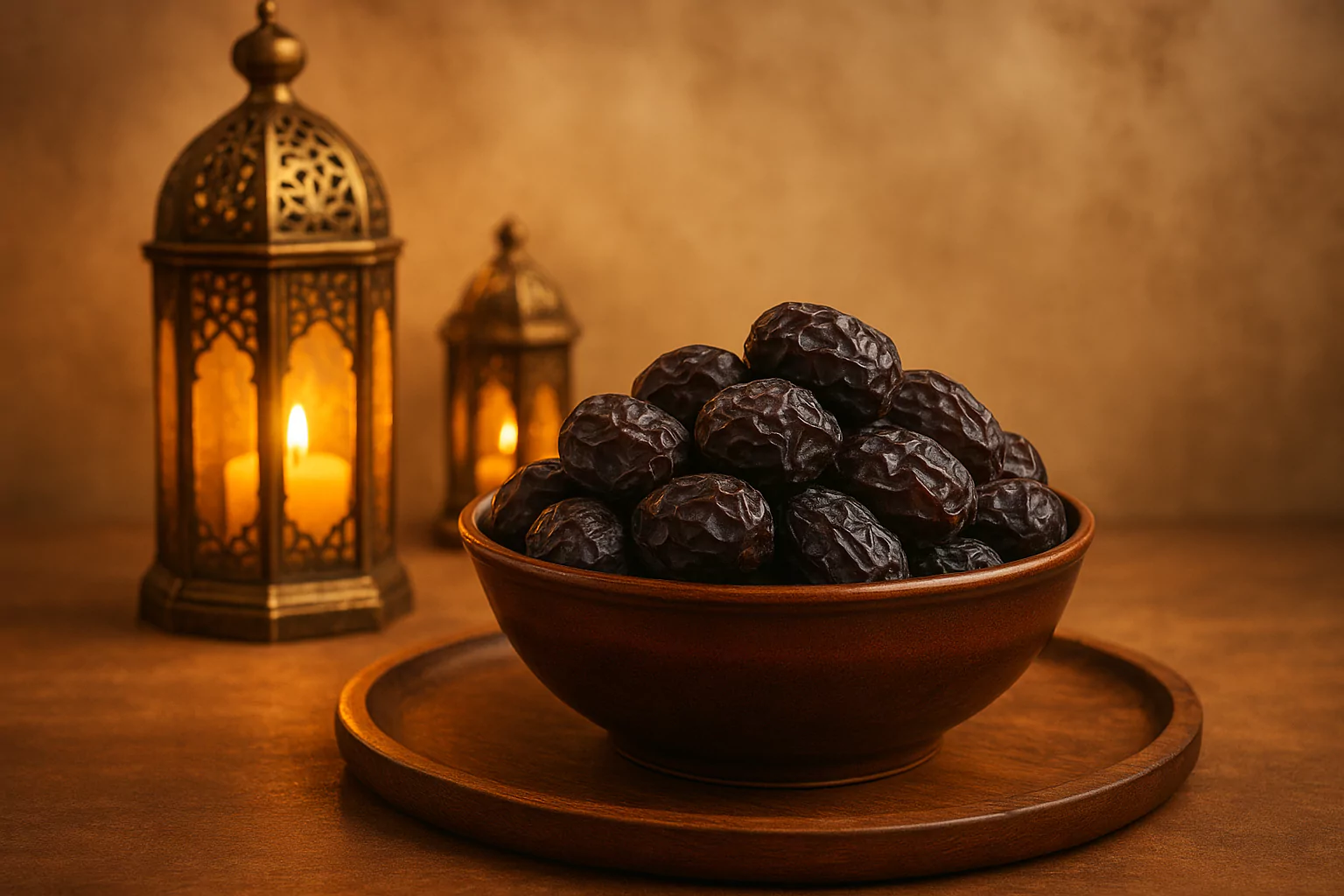
Ajwa Dates from Madinah: Benefits, Nutrition & Why They’re Special
Ajwa dates are sweet, dark fruits from Madinah, Saudi Arabia. They taste like caramel and are packed with good stuff for your body. They’re also special in Islam. This guide uses easy words to tell you why these dates are awesome, how many to eat, and fun ways to enjoy them, based on experts, science, and tradition. Ajwa dates are soft, dark dates grown exclusively in Madinah, Saudi Arabia.
They are known for their rich taste, powerful nutritional value, and unique importance in Islam. Ajwa dates are often eaten for daily health, natural energy, digestion, and spiritual well-being.
In this guide, you’ll learn what makes Ajwa dates special, their health benefits, nutrition facts, how many you should eat daily, and the best ways to enjoy them, all explained clearly using science, expert opinions, and Islamic tradition.
Ajwa dates are among the most valued date varieties, known for their unique taste, nutritional richness, and health benefits. Commonly consumed for energy, digestion, and overall wellness, Ajwa dates are especially popular in traditional diets. Understanding their nutritional value can help you include them wisely in your daily routine.
Date Nutrition Calculator
*Nutrition values are estimates and may vary.
The values shown above are estimates and may vary depending on the size and quality of the dates.

Why Are These Dates Special?
Ajwa dates are soft, naturally sweet, and rich in fiber, vitamins, and
antioxidants. Grown in Madinah, they are valued not only for their taste but also for their deep religious importance.
The Prophet Muhammad ﷺ said:
“Whoever eats seven Ajwa dates in the morning will be protected from poison and magic on that day.” — Sahih al-Bukhari (5445)
Islamic scholars explain that this blessing is associated with Ajwa dates from Madinah. Along with their spiritual value, Ajwa dates are also a nutritious daily food that supports digestion, heart health, and overall well-being.
Spiritual Importance of Ajwa Dates in Islam
Along with their nutritional benefits, Ajwa dates hold a unique spiritual status in Islam. Eating seven Ajwa dates in the morning is a well known Sunnah that carries spiritual protection and blessing.
The Prophet Muhammad ﷺ said:
قال رسول الله ﷺ:
“من تصبح بسبع تمرات من عجوة لم يضره ذلك اليوم سم ولا سحر”
(رواه البخاري)
“Whoever eats seven Ajwa dates in the morning, neither poison nor magic will harm him that day.”
— Sahih al-Bukhari (Hadith 5445)
Islamic scholars explain that this virtue is specifically linked to Ajwa dates from Madinah. For many Muslims, consuming Ajwa dates daily is not only a health habit but also an act of faith that combines physical well-being with spiritual protection.
Nutritional Value and Health Benefits of Ajwa Dates
Ajwa dates are often called a “complete natural food” because they provide energy, essential minerals, and protective antioxidants in a single fruit. Here’s a clear breakdown of the key nutritional benefits that make Ajwa dates so valuable for daily health.

Rich in Fiber for Better Digestion
Ajwa dates are an excellent source of soluble fiber, which supports smooth digestion and helps prevent constipation. Regular fiber intake keeps the gut healthy, improves nutrient absorption, and supports overall digestive balance.

Packed with Essential Minerals
Ajwa dates contain important minerals such as potassium, magnesium, iron, and calcium. Potassium supports heart health and blood pressure control, magnesium helps muscle and nerve function, calcium strengthens bones, and iron plays a key role in oxygen transport and energy levels.

Powerful Antioxidants for Immunity
Ajwa dates are rich in antioxidants that help protect the body from oxidative
stress. These antioxidants fight free radicals that can damage cells and contribute to long-term health issues, supporting a stronger immune system.

Natural and Long-Lasting Energy
Unlike processed energy bars, Ajwa dates provide natural sugars such as glucose, fructose, and sucrose. These sugars offer quick energy without a sudden crash, making Ajwa dates a great choice before work, exercise, or
physical activity.


Helps Prevent Iron-Deficiency Anemia
Iron deficiency is common, especially among women and children. Ajwa dates naturally contain iron, which supports red blood cell production and helps
reduce fatigue associated with anemia when included in a balanced diet.
What Nutrition Experts Say About Ajwa Dates
Nutrition experts generally agree that Ajwa dates are a healthy food when eaten
in moderation. Because they naturally contain sugar, portion control is important,
especially for people managing weight or blood sugar.
Most nutritionists recommend eating 2–4 Ajwa dates per day to benefit from their
fiber, minerals, and antioxidants without excessive sugar intake. Ajwa dates are
often suggested as a natural snack because they provide steady energy and support digestion.
Recent nutritional research highlights that Ajwa dates contain antioxidant and
anti-inflammatory compounds, which may support heart health and overall wellness when included as part of a balanced diet. Individual needs can vary based on age, activity level, and health conditions.

The Best Time to Eat Ajwa Dates
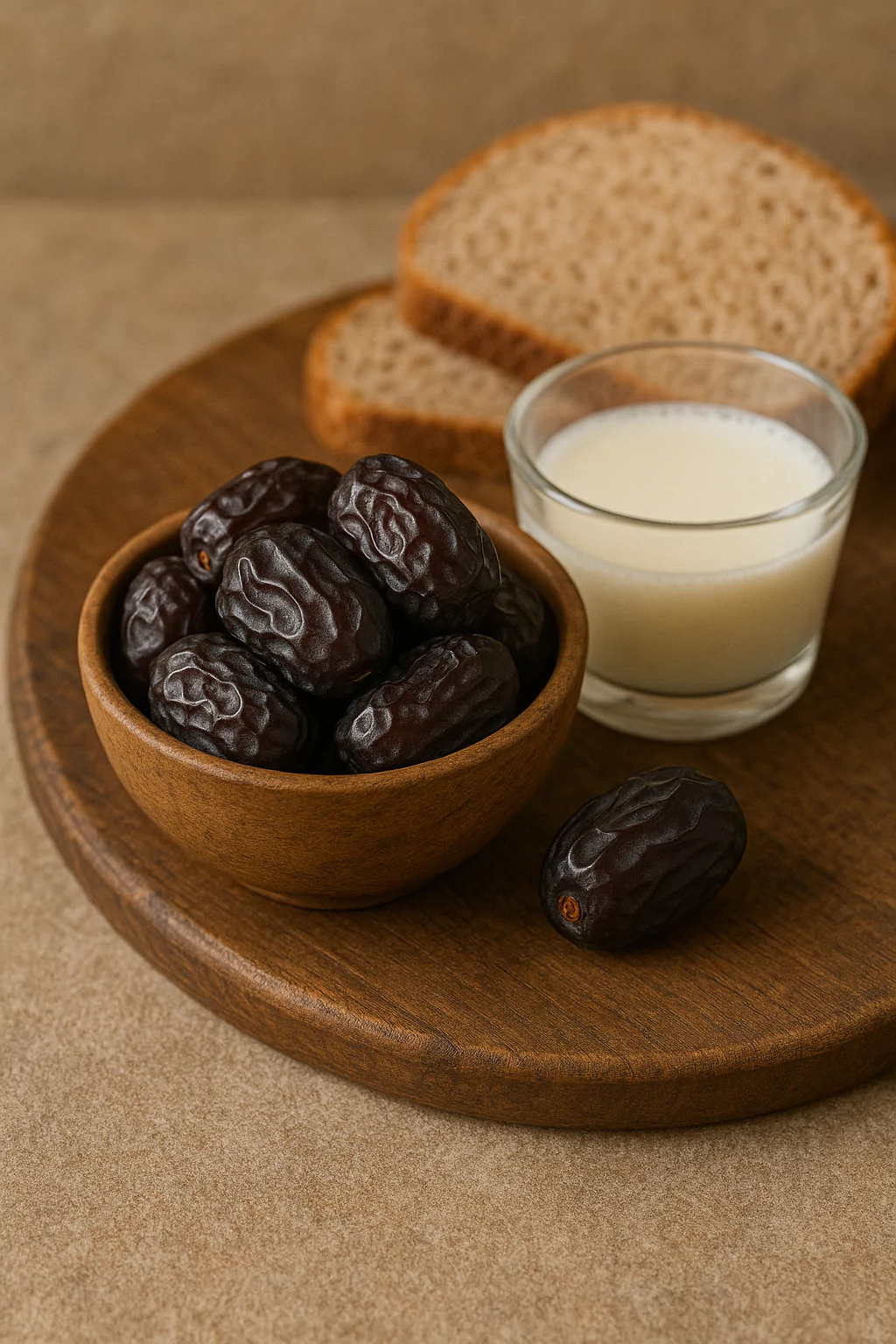
Ajwa dates can be eaten at any time of the day, but many people prefer eating them in the morning. From a nutritional point of view, consuming Ajwa dates in the
Morning helps provide natural energy, supports digestion, and keeps you feeling full for longer.
In Islamic tradition, eating seven Ajwa dates in the morning on an empty stomach is especially recommended. This practice is mentioned in authentic Hadith and is believed to offer spiritual protection and blessings, in addition to physical benefits.
How to Choose Authentic and High-Quality Ajwa Dates
To ensure you are buying genuine Ajwa dates, always choose trusted and reputable sellers. Authentic Ajwa dates come from Madinah, Saudi Arabia, and are known for their soft texture and dark brown to almost black color.
High-quality Ajwa dates should feel slightly dry on the outside but soft inside, with a naturally wrinkled skin. Avoid dates that are overly shiny, very sticky, or have an artificial smell, as these may be treated or low quality.
When possible, look for sellers that clearly mention origin (Madinah), organic or natural sourcing, and proper storage practices. Buying from reliable stores helps ensure freshness, taste, and nutritional value.


Why Are Ajwa Dates Expensive?
Ajwa dates are considered one of the most premium and valuable date varieties in the world. One main reason for their higher price is that they are grown only in the region of Madinah, Saudi Arabia, under specific climate and soil conditions.
Ajwa dates are harvested using traditional farming methods, which limits large- scale production. Their strong demand, religious importance in Islam, and well-known health benefits also contribute to their higher market value.
Because of limited supply and global demand, authentic Ajwa dates usually cost more than other date varieties, making them a premium product.
Nutrition Facts (Per 100g)
Here’s what’s in a handful, based on USDA data:
Note: Nutritional values may vary slightly depending on size, ripeness, and source.
Nutrient | Amount | Why It’s Good |
|---|---|---|
Calories | 277-350 kcal | Keeps you active |
Sugars | 66g | Sweet energy |
Fiber | 6.7-8g | Helps your tummy |
Potassium | 696-875mg | Good for Heart |
Protein | 1.8-2g | Tiny muscle help |
Fat | 0.2-0.6g | Heart-safe |
One Ajwa date (8–10g) contains approximately 22–35 calories and also provides small amounts of iron and calcium.
Ajwa Dates for Different Occasions
Ajwa dates are versatile and can be enjoyed in many different ways. Known for their rich taste and soft texture, Ajwa dates from Madinah are commonly eaten daily, served with Arabic coffee, or used in healthy meals and desserts.
As a Healthy Snack
Ajwa dates make an excellent natural snack. Their balanced sweetness and fiber content help control hunger and provide steady energy. Many people eat 2–4 Ajwa dates between meals as a healthy alternative to processed snacks.
In Everyday Meals
Ajwa dates can be added to oatmeal, yogurt, smoothies, or breakfast bowls. They naturally enhance flavor while adding minerals and antioxidants, making meals more nutritious without refined sugar.
In Desserts and Sweets
Ajwa dates are commonly used in energy balls, date paste, cakes, and traditional
desserts. Because of their natural sweetness, they work well as a sugar substitute in homemade recipes.