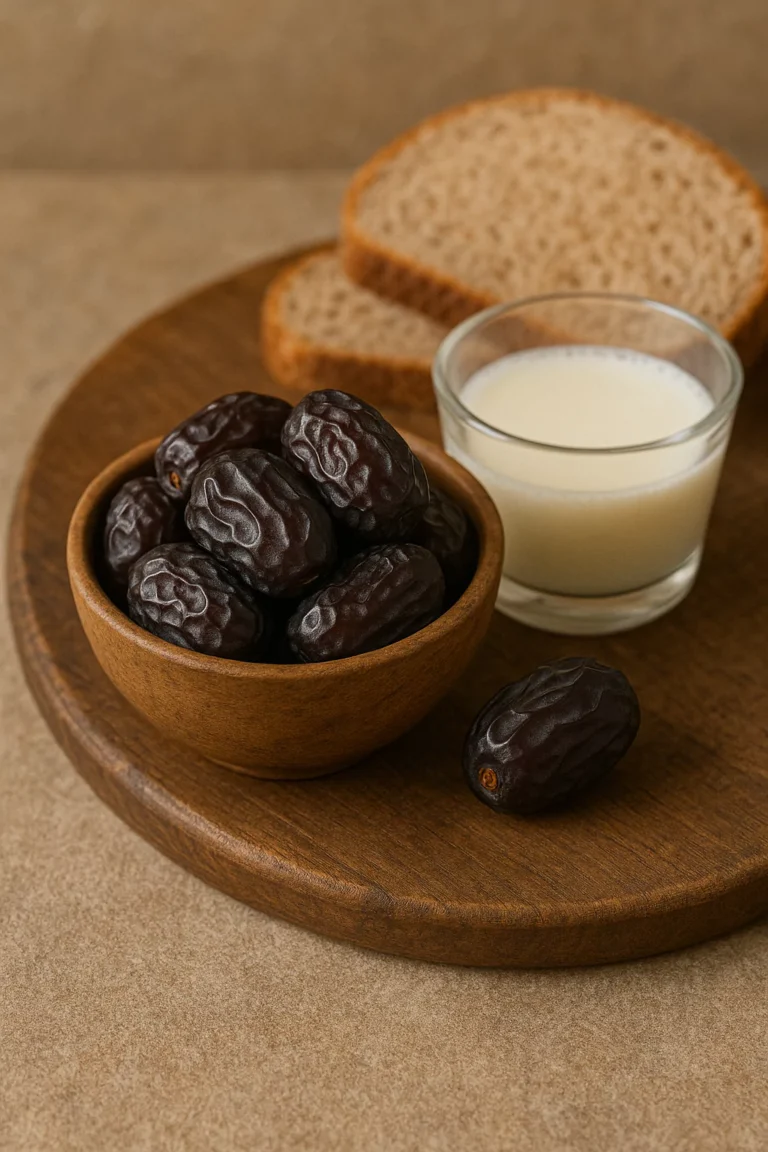

How to Soak Ajwa Dates in Milk: Overnight, How Long & Morning Benefits
Soaked Ajwa Dates in Cold Milk on Empty Stomach: Complete Science-Backed Guide
Discover the traditional Islamic practice of soaking Ajwa dates in milk overnight and consuming them first thing in the morning. Learn the science behind this powerful combination, optimal preparation methods, proven health benefits, and who should try this ancient wellness ritual in 2026.
Can You Soak Ajwa Dates in Milk Overnight?
Yes — you can soak Ajwa dates in milk overnight, and it actually works better than soaking for just 30 minutes. The ideal soaking time is 6–8 hours overnight, though even 2–3 hours is enough if you’re short on time. This guide covers exactly how long to soak, whether cold or warm milk is better, the best time to consume this combination, and the 8 proven health benefits of making it a morning habit.
Soaked Ajwa Dates in Milk: Quick Reference Guide
| Question | Answer |
|---|---|
| Can I soak overnight? | Yes — 6 to 8 hours is ideal |
| Minimum soaking time | 2 to 3 hours |
| Cold milk or warm milk? | Cold milk is traditional; warm milk also works and is easier to digest |
| Best time to consume | First thing in the morning on an empty stomach |
| How many dates? | 3 to 4 dates with 200–250 ml milk |
| Can I use water instead of milk? | Yes, but you lose the protein and calcium benefit |
| Is this combination good? | Yes — dates and milk together provide energy, minerals and protein |
What Are Ajwa Dates?
Ajwa dates are a cultivar of the date palm tree (Phoenix dactylifera) grown primarily in the Medina region of Saudi Arabia. They are known for their rich sweetness, soft texture, and a long history of use in Middle Eastern tradition.
Nutritionally, studies show Ajwa dates contain significant amounts of carbohydrates (including natural sugars like glucose and fructose), fibre, minerals such as potassium and calcium, and bioactive compounds like polyphenols and flavonoids. For example, one study found that Ajwa dates had a total sugar content of ~71.4 g per 100 g in one sample, with dietary fibre (~8.26 g per 100 g in dry weight) in some varieties.
Another review noted the strong antioxidant and anti‑inflammatory potential of Ajwa flesh and seed extracts. So, why combine them with cold milk on an empty stomach?
Why Soaking in Milk Works Better Than Just Eating Dates (The Science)
Here are the reasons this specific routine of soaked Ajwa dates in cold milk is recommended, with explanations that aim at reader clarity:
- Overnight soaking: Soaking for 6–8 hours allows the dates to fully absorb the milk, soften their fibre structure and release more of their minerals into the liquid. This makes them significantly easier to digest compared to eating dry dates, especially on an empty stomach. Even 2–3 hours of soaking gives most of this benefit if you forget to prepare them the night before.
- Cold vs warm milk: Cold milk is the traditional way and is especially refreshing in the morning. Warm milk is equally valid — it is slightly easier to digest for people with sensitive stomachs and may be preferred in winter. Nutritionally, both versions offer the same protein and calcium benefits. The choice comes down to personal preference and how your stomach feels.
- Empty stomach: Consuming it before other foods may allow the stomach and small intestine to prioritise absorbing the nutrients from the combo, rather than competing with other foods.
- Synergistic effect: The idea is that the combination of natural sugars (from dates), minerals & fibre (from soaked Ajwa dates) plus protein & calcium (from milk) may offer a more balanced nutrient input early in the day.
This routine is especially appealing to those seeking a natural energy boost, better digestion, or a minimal breakfast substitute. That said, as we will see, the scientific evidence is still emerging, and the benefits should be understood in context.
Top 8 Potential Benefits (Backed by Science and Practical Use)
Below are key benefits of soaked Ajwa dates, with explanations, supporting evidence, practical guidance, and caveats.
1. Natural Energy & Sustained Alertness
Ajwa dates are rich in natural sugars (glucose, fructose). A study reported ~38 g glucose + ~33 g fructose per 100 g in Ajwa varieties. Milk provides protein and fat, which slow digestion and therefore help sustain energy rather than spike and crash. Try 3‑4 dates + 200‑250 ml cold milk in the morning.
2. Improved Digestion & Gut Health
Dates contain dietary fibre (~8 g per 100 g in one Ajwa study), which supports bowel movements and gut health. Soaked dates are easier for the digestive system to process. Because of the fiber + milk combo, you may feel less bloated and promote regularity when consumed first thing.
3. Bone Health & Mineral Support
Dates provide minerals such as calcium and magnesium, while milk is a well‑known source of calcium and protein. Ajwa contains ~50 mg calcium per 100 g in some analyses. Using this combo as part of your morning routine helps provide mineral input, especially beneficial if your diet is low in dairy or minerals.
4. Brain & Cognitive Support
Minerals like magnesium and potassium (present in dates) are involved in nerve signalling, muscle function, and brain health. Some preclinical studies show that Ajwa date extracts may protect against oxidative stress in the brain. Consider this morning snack on busy workdays to support mental clarity and focus.
5. Cardiovascular & Heart Health
Potassium from dates helps regulate blood pressure and maintain fluid balance; minerals + antioxidants reduce oxidative stress. The review of Ajwa dates noted cardioprotective and anti‑hyperlipidemic potential. This combo may be part of a heart‑healthy morning ritual.
6. Immune Support & Antioxidant Action
Ajwa dates are rich in polyphenols and flavonoids, and in vitro studies show strong antioxidant, anti‑hemolytic, and anti‑inflammatory effects. Regular consumption may contribute to overall wellness, especially when paired with a good diet and sleep.
7. Better Sleep & Relaxation
Some nutrients found in dates (e.g., magnesium) and soothing qualities of cold milk (milk contains tryptophan, an amino acid related to sleep hormones) may support relaxation. This combo could help before your workday begins to set a calm tone.
8. Skin, Muscle & Body Health
The protein from milk supports muscle repair; minerals from dates support muscle & body function; antioxidants support skin health. Some studies of Ajwa extracts show benefits in body composition in small human trials. After a workout or active session, this could be a gentle breakfast with nutrition benefits.
While these benefits are supported by nutritional science and traditional use, most evidence on the specific Ajwa + milk combination comes from nutritional composition studies rather than large-scale human clinical trials. Treat this as a supportive wellness practice, not a medical treatment.
How to Soak Ajwa Dates in Milk: Step-by-Step Method
Overnight Method (Recommended):
- Choose 3‑4 whole Ajwa dates (pitted is fine).
- Place them in a small bowl and cover with ~200–250 ml cold milk.
- Cover the bowl and refrigerate overnight (or at least 6-8 hours).
- In the morning, before eating any other food, drink the milk and eat the softened, soaked Ajwa dates.
- Follow with a glass of water to help digestion.
Quick Method (2–3 Hours):
- Take 3–4 pitted Ajwa dates and place in a bowl.
- Pour 200–250 ml cold or warm milk over them.
- Cover and refrigerate for 2–3 hours minimum.
- Consume on an empty stomach before your first meal.
This shorter soak still softens the dates and gives most of the benefits — it is a good option if you forgot to prepare them the night before.
Serving Tips & Alternatives for Soaked Ajwa Dates in Milk
- If you’re lactose intolerant, use almond, soy, or oat milk instead of regular milk.
- If you restrict sugar (e.g., diabetic diet), reduce to 2 soaked Ajwa dates, monitor your blood sugar, and pair with protein or fiber for a more balanced meal.
- If you’re using it for athletics or muscle repair, follow with a balanced breakfast that includes additional protein and complex carbs.
- Keep total calories and sugar intake in mind—this combo is nutritious but not calorie-free (~200-250 calories per serving).
Who Should Be Cautious or Consult a Professional
The following groups should exercise caution or seek medical advice before adopting this practice:
- Diabetics: Dates are high in natural sugars (~71 g per 100 g in one study). Monitor blood sugar and consult your doctor.
- Those with kidney or cardiovascular issues: The potassium load may be high; check with your physician if you are on a low‑potassium diet.
- Lactose intolerance or dairy allergy: Use alternative milk or omit milk with caution.
- Weight‑management focus: While healthy, dates + milk add calories; portion control matters.
- Those expecting specific medical outcomes: Evidence for some claims (e.g., improved cognition, muscle building) is preliminary; don’t rely on this combo alone for treatment.
What Does the Science Say? A Quick Reality Check
- A human trial with Ajwa date pit powder (2.7 g daily for 40 days) found improvements in lipid profile (reduced LDL & total cholesterol), but with a small sample size.
- Preclinical in vitro work shows Ajwa date extracts have antioxidant, anti‑inflammatory, and anti‑hemolytic effects.
- Nutritional composition studies confirm dates have high sugar (~71 g/100 g) and moderate fibre (~8 g/100 g) in certain varieties.
Conclusion: While the nutritional profile is strong, rigorous human trials on the specific combo (Ajwa dates + milk + morning empty stomach) are lacking. Use this as a healthy habit, not a medical protocol.
Summary & Takeaway
Soaked Ajwa dates in cold milk make a simple, nutrient‑rich morning habit. They deliver natural energy, fibre, minerals and protein in a format that supports digestion and overall wellness. The evidence base for dates themselves is solid in terms of nutrition, but the specific combo and routine (milk + empty stomach) have limited human trial data.
If you’re seeking a health‑friendly morning snack, this combo makes sense, as long as you treat it as part of a broader healthy diet, mind your portion sizes, and listen to your body. For people with medical conditions (diabetes, kidney disease, dairy intolerance), check with a professional before making it a routine.
Frequently Asked Questions
3 to 4 dates soaked in 200–250 ml milk is the recommended serving for most healthy adults. If you are watching your sugar intake, start with 2 dates and see how your body responds. Children can have 1 to 2 dates with half a glass of milk.
Yes — warm milk works just as well. Cold milk is traditional and more refreshing in the morning, while warm milk is gentler on the stomach and may be preferred by those with digestive sensitivity or in colder weather. The nutritional benefit is the same either way.
Soaking in water is perfectly fine and is a common practice in Islamic tradition. You lose the protein and calcium that milk provides, but the dates themselves become just as soft and easy to digest. The water also absorbs some of the minerals and natural sugars from the dates, making date-soaking water a nutritious drink on its own.
It depends on portion size and your overall diet. Dates and milk are calorie-dense — around 200–250 calories per serving — so this works better as a meal replacement than an addition to a full breakfast. As a morning snack on an empty stomach, it can reduce hunger and prevent overeating later in the day, which indirectly supports weight management.
Wait at least 20 to 30 minutes after consuming the soaked dates and milk before eating your main breakfast. This gives your digestive system time to absorb the nutrients without competition from other foods.
Yes — dates and milk are considered one of the most nutritionally balanced natural food pairings. Dates provide fast-release natural sugars, fibre and minerals; milk adds protein, calcium and healthy fat. Together they give you sustained energy, better mineral absorption and a more complete nutritional profile than either food alone. This combination has been used in Middle Eastern and Islamic tradition for centuries.
Yes, soaking for up to 12 hours is safe when refrigerated. Beyond that, the milk may start to lose freshness. Always refrigerate the soaking dates and milk, and consume within 12 hours for best quality and food safety.
It’s not required, but removing pits before soaking makes the dates easier and safer to eat, especially in the morning when you might be in a hurry. Pitted dates also absorb milk more evenly. If you want the additional benefits of Ajwa seed powder, you can grind the pits separately and add to the milk.
Medical Disclaimer: This article is informational only and not medical advice. Always consult a certified nutritionist or doctor before making dietary changes, especially if you have underlying health conditions (diabetes, kidney disease, cardiovascular issues, lactose intolerance) or are taking medications. The benefits described are based on nutritional composition and traditional use; individual results may vary. Soaked Ajwa dates in milk is a wellness practice, not a treatment for any medical condition.
📚 Sources & References
- National Center for Biotechnology Information (NCBI) – Nutritional and functional properties of dates. NCBI Research
- USDA FoodData Central – Dates nutritional information. USDA Database
- Journal of Agricultural and Food Chemistry – Antioxidant and anti-inflammatory properties of Ajwa dates. Scientific analysis of bioactive compounds.
- Healthline – 8 Proven Health Benefits of Dates. Healthline
- WebMD – Health Benefits of Dates and Milk. WebMD

John A. Kareem is a natural wellness writer and researcher passionate about Ajwa dates and traditional Arabian foods.
At Ajwa Dates, he shares evidence-based, easy-to-read content that helps readers discover the real health benefits of dates and other natural ingredients.
His goal is to promote healthy living through authentic, time-tested knowledge.